
Case Study: Successful Utility Location in Travis County
Introduction to Utility Location
Utility location is a critical process in construction and infrastructure development. It involves identifying and mapping underground utilities to prevent damage during excavation. In Travis County, this process has been vital for maintaining public safety and infrastructure integrity.
In this case study, we'll explore a successful utility location project in Travis County, highlighting the strategies employed and the results achieved. The project not only ensured safety but also improved efficiency, reducing time and costs.

Project Overview
The utility location project in Travis County was initiated due to increasing construction activities in the region. With numerous developments underway, accurately locating underground utilities became a priority to avoid disruptions and accidents.
The project focused on several key areas, each with unique challenges. From dense urban environments to sprawling rural landscapes, the team had to employ diverse techniques to ensure comprehensive coverage.
Techniques and Technologies Used
The team implemented advanced technologies to enhance accuracy and efficiency. Key techniques included:
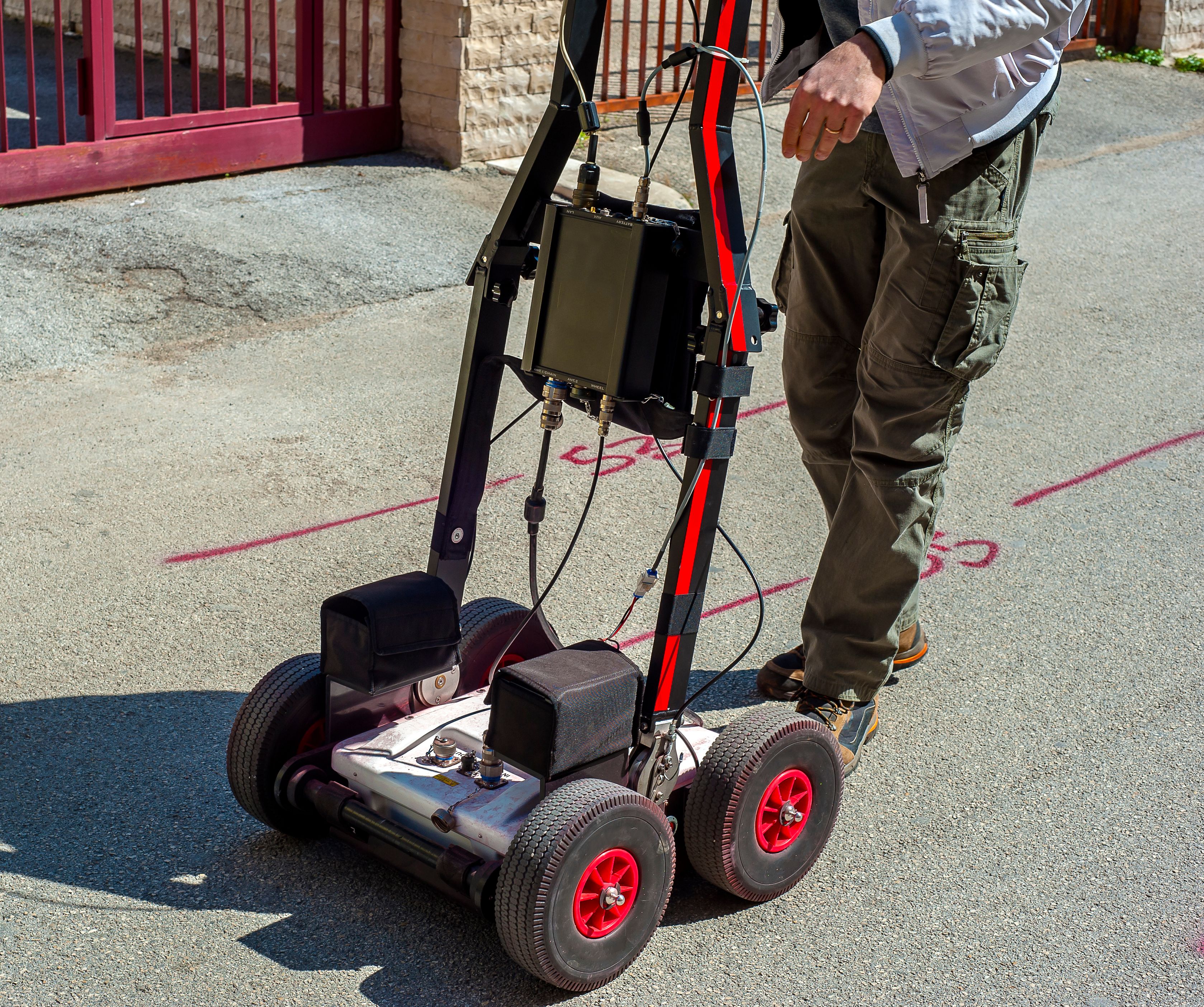
- Ground Penetrating Radar (GPR): This non-invasive method allowed the team to detect utilities without disturbing the surface.
- Electromagnetic Location (EML): Used in combination with GPR, EML helped identify metal pipes and cables beneath the ground.
- Data Integration: Utilizing Geographic Information Systems (GIS), the team integrated data from various sources for a comprehensive utility map.
Challenges Encountered
Despite the advanced technologies, the project faced several challenges. The varied terrain of Travis County required adaptable strategies, and the presence of outdated utility records often complicated the process.
Communication with local authorities and utility companies was essential to overcome these challenges. By fostering collaboration, the project team ensured that all necessary information was available and up-to-date.
Results and Outcomes
The utility location project in Travis County successfully mapped a significant portion of the underground networks. The process not only minimized the risk of utility damage but also facilitated smoother construction operations.
Some of the notable outcomes included:
- Increased Safety: By accurately identifying utility locations, the project reduced the risk of accidental strikes during excavation.
- Cost Savings: Preventing utility damage saved significant repair costs and avoided project delays.
- Improved Efficiency: The detailed utility maps provided clear guidance for construction teams, streamlining operations.

Conclusion
The Travis County utility location project exemplifies how strategic planning and advanced technology can lead to successful outcomes. By prioritizing safety and efficiency, the project not only protected valuable infrastructure but also supported ongoing development in the region.
This case study serves as a model for future utility location projects, demonstrating that with the right approach, challenges can be effectively managed, and objectives can be achieved with precision.