
GPR Scanning Before Plumbing Core Drilling
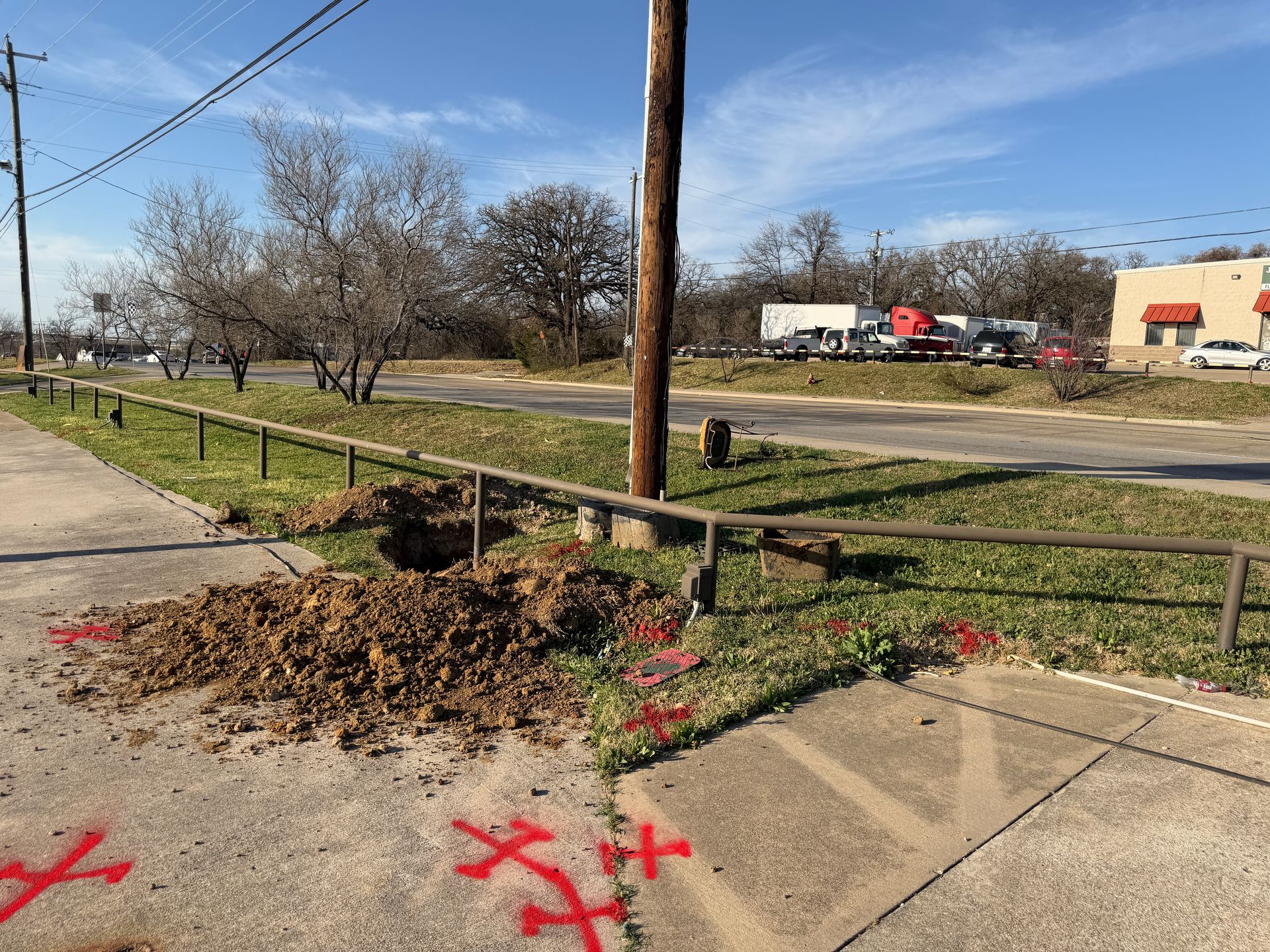
The plumbing crew is ready to start drilling sleeves through the slab.
Layout is marked.
Core rig is onsite.
Then someone asks the question nobody verified first:
“What’s underneath these drill locations?”
Now the superintendent has a decision to make.
Start drilling blind and risk hitting PT cables, conduit, chilled water, or unknown utilities.
Or stop for a few hours and scan the slab first.
Most experienced contractors in Dallas already know which option is cheaper.
This happens constantly during:
Tenant improvements
Restroom remodels
Hospital upgrades
Multi-family plumbing rough-ins
Commercial plumbing renovations
High-rise plumbing work
One bad core can shut the entire area down immediately.
A strike on conduit or PT cables doesn’t just stop the plumbing crew.
Now electricians are involved.
The GC gets called.
Inspections get delayed.
Multiple trades stop moving while the issue gets sorted out.
That’s how one penetration turns into expensive rework and lost production fast.
Why 811 Is Not Enough
811 typically does not locate:
PT cables
Embedded conduit
Interior utilities
Elevated slab conflicts
Private utility systems inside buildings
That’s why GPR slab scanning is critical before plumbing core drilling starts.
SiteTwin provides live slab scanning and utility verification before drilling, saw cutting, trenching, and plumbing penetrations begin.
Typical Plumbing Slab Scanning Cost
Most projects typically run:
$995–$1,200 for a half-day onsite
$1,800+ for full-day scanning
$200/hour with a 2-hour minimum for smaller jobs
Most Dallas-area projects can be scheduled same day or next day.
Results are marked directly onsite so crews can continue working immediately.
What GPR Scanning Helps Identify
Ground penetrating radar scanning helps locate:
PT cables
Electrical conduit
Existing plumbing
Rebar
Embedded utilities
Safe drill zones
Unsafe penetration areas
If a penetration conflicts with conduit or PT cables, crews can shift the location before coring starts.
That prevents shutdowns and keeps the project moving.
What Happens Onsite
The slab is scanned live where penetrations are planned.
Results are marked directly on the concrete in real time.
Crews can see:
PT cable markings
Conduit paths
Rebar direction
Safe drill clearances
Unsafe drill areas
If conditions are unclear, additional verification is performed onsite immediately.
When You Should Schedule Slab Scanning
You should scan the slab:
Before plumbing core drilling
Before drain penetrations
Before sleeve installation
Before saw cutting
During restroom remodels
During tenant improvements
During hospital renovations
When existing conditions are unknown
When 811 marks don’t line up
Before drilling near columns or slab edges
Interior plumbing work is one of the biggest places contractors run into hidden conditions.
That’s why private utility locating and GPR scanning are critical before drilling starts.
FAQ
Does 811 locate utilities inside buildings?
No. 811 typically does not identify embedded conduit, PT cables, or utilities inside elevated slabs.
Can GPR detect PT cables before coring?
Yes. GPR scanning helps identify PT cables, conduit, rebar, and embedded utilities before drilling begins.
How long does slab scanning take?
Most smaller plumbing layouts take 2–4 hours. Larger projects may require a half day or full day onsite.
Prevent The Shutdown Before It Happens
Before the first plumbing core goes through the slab, verify what’s underneath.
One unknown conduit line or PT cable strike can stop multiple trades instantly and create expensive delays.
SiteTwin provides live GPR slab scanning, utility verification, and safe drill-zone marking for commercial plumbing projects nationwide.
Same-day and next-day scheduling is available for most projects.
Send the address, penetration count, and project scope to get it scheduled.
For more utility strike prevention insights and construction risk breakdowns, check out The Damage Report Newsletter.