
Should You Rent a GPR Unit or Hire a Scanning Crew?
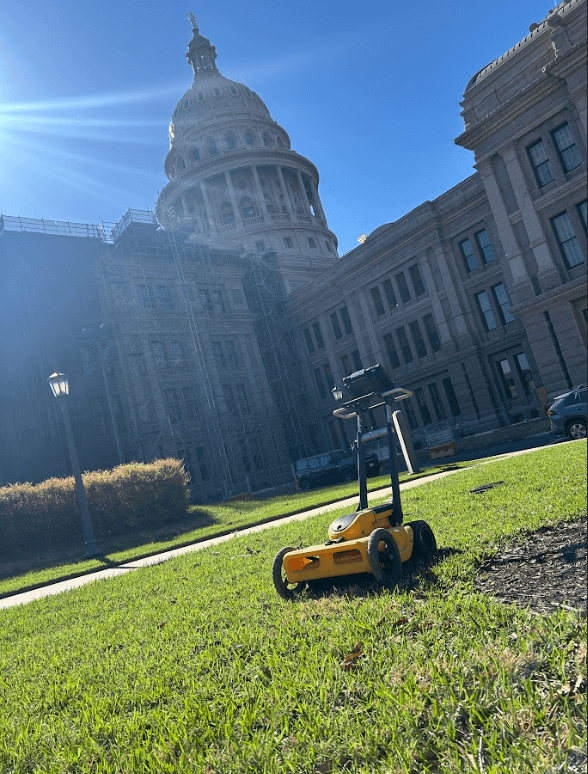
You’re looking at the schedule and trying to save some money by renting a GPR unit instead of bringing in a scanning crew.
On paper, it sounds simple.
Pick up the equipment. Scan the slab. Find what is inside. Start drilling.
But once you are onsite staring at signal returns trying to figure out what is rebar, conduit, post-tension cable, or just noise in the slab, things change fast.
That is where most mistakes happen.
One bad read can shut the job down immediately.
Now the crew is standing around while someone figures out what got hit and how bad the damage is.
What Does This Cost?
GPR rentals typically run between $300–$800 per day depending on equipment type and availability.
Professional GPR scanning crews usually cost $995–$1,200 for a half day or $1,800+ for full-day work.
Small verification jobs may also run around $200/hr with a 2-hour minimum.
Most professional crews can mobilize same-day or next-day and provide immediate field markings onsite.
What Affects the Price?
The biggest difference is not the machine.
It is the experience interpreting what the machine is showing.
Pricing and risk both depend on:
Complexity of the slab
Post-tension cable density
Tight rebar patterns
Multiple utilities in the same scan path
Time spent interpreting results
Schedule pressure onsite
Consequences of getting it wrong
A clean slab with a few drill locations is one thing.
A congested commercial slab with PT, conduit, and unknown utilities is something else entirely.
What You’re Actually Paying For
When you hire a professional crew, you are not paying for the equipment.
You are paying for accurate interpretation and real-time decisions before drilling starts.
That includes:
Identifying post-tension cables
Locating conduit and embedded utilities
Marking safe drill zones
Adjusting core locations onsite
Preventing shutdowns and rework
Keeping crews moving
You are also reducing liability if something goes wrong.
With a rental, all of that responsibility shifts to whoever is running the unit.
That becomes a problem fast when the slab is congested or the signals are difficult to interpret.
It is also important to understand that 811 does not solve this either.
811 does not mark inside slabs, private interior utilities, or embedded conduit in concrete.
SiteTwin works where 811 is incomplete or where verification is needed before drilling.
What Happens Onsite?
With a professional crew, scanning is performed live and results are marked directly on the slab in real time.
Your crew sees exactly where they can safely core, drill, or anchor before work starts.
You may see paint marks showing safe drill zones, PT cable locations, conduit paths, reinforcement congestion, and adjusted core locations.
Field decisions happen immediately onsite.
That means the crew keeps moving without waiting on delayed interpretation.
With a rental unit, the process looks different.
You scan the slab.
You interpret the returns.
You decide what is safe.
You assume responsibility for being right.
That is where most avoidable mistakes happen.
Typical Scheduling
Professional crews are often available same-day or next-day depending on workload.
Most jobs take between 2–6 hours onsite.
Results are marked immediately so drilling can proceed without delays.
Rental availability depends on equipment inventory, pickup timing, setup, and your ability to interpret the scan results correctly.
That learning curve can cost more time than most crews expect.
When You Need This
Before drilling, coring, anchoring, or saw cutting
On post-tension slabs where mistakes are expensive
When working around unknown subsurface conditions
On tight schedules where delays are not an option
On private property or interior slabs where 811 does not apply
In congested utility areas where one bad hole can stop production immediately
Get It Scanned Before the First Hole Goes In
If you are not trained to read GPR signals daily, do not guess through concrete.
Get it scanned and marked before the first hole goes in.
Send the address and scope and get it scheduled.
Related Services
GPR Scanning Services
Utility Locating Services
If the job matters, do not gamble on interpreting GPR yourself.
One missed conduit or PT cable can shut the site down fast.
Get the slab scanned, marked, and cleared so your crew can drill safely and keep production moving.
Schedule Service
Send Address + Scope Here
For more excavation risk, concrete scanning, and underground infrastructure content, check out the The Damage Report Newsletter