
The Bore Path Is a Bet. Here's How to Stop Gambling.
Horizontal directional drilling crosses everything between entry and exit pit without ever seeing it. This guide walks the clearance sequence that keeps drill heads out of other people's utilities: screen the path, locate the crossings, pothole what matters, and document all of it.
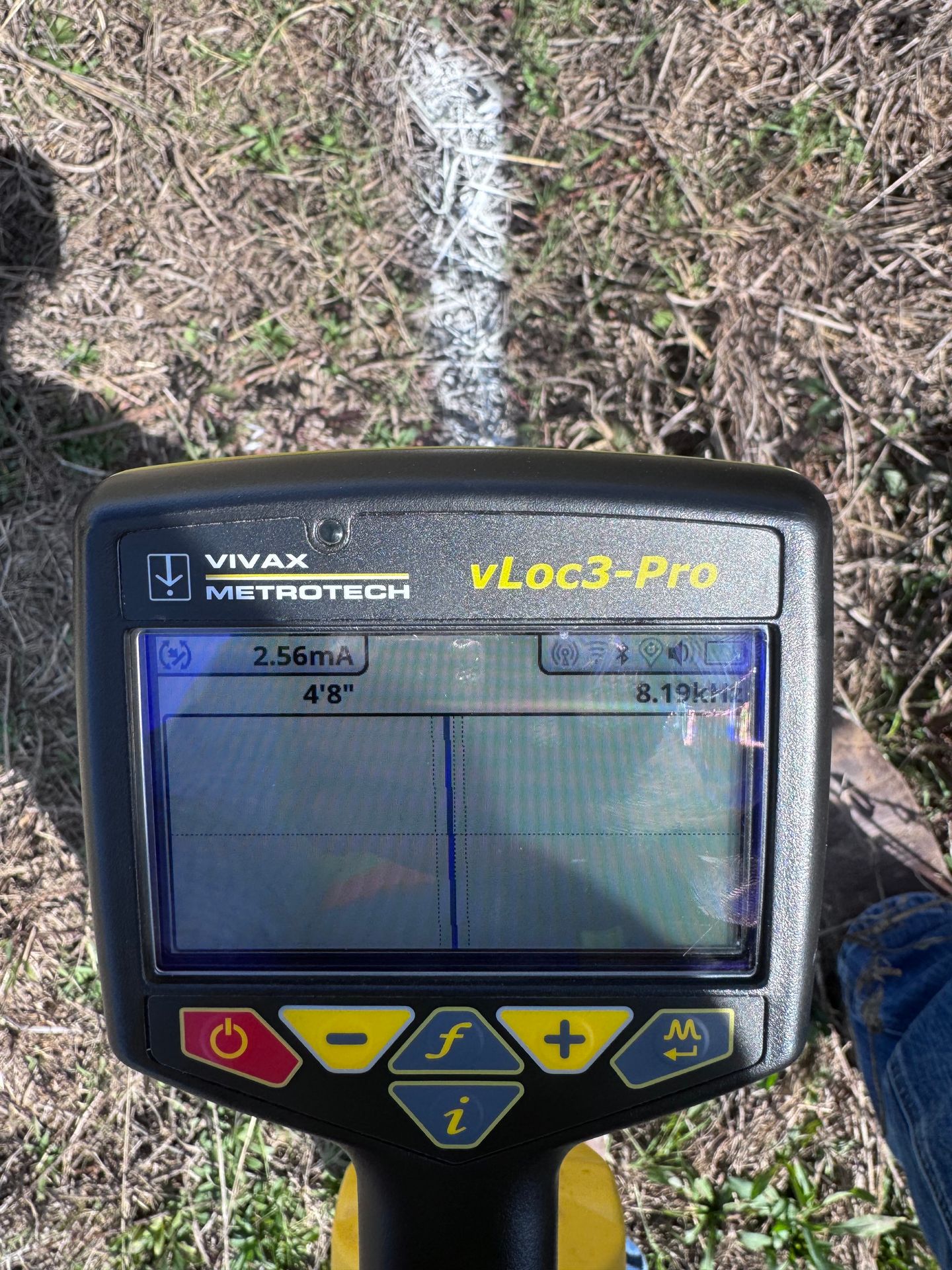
A surface locate answers the wrong axis
Open-cut excavation meets utilities from above, with warning as cover disappears. A drill head meets them from the side at full depth with no warning at all, which is why HDD produces disproportionate strike consequences on gas and fiber especially.
The locate that protects open-cut, horizontal position, is only half the answer for a bore. The question that matters is elevation at each crossing, and locator depth estimates degrade in exactly the congested, wet corridors bores run through. Elevation gets measured, not estimated.
- Drill heads meet utilities blind, at depth, from the side
- Gas and fiber carry the worst HDD strike consequences
- Locator depth estimates degrade in bore corridors
- Crossing elevation is the number that actually matters
- Documentation requirements follow most crossing agreements
Estimated clearance is not clearance. Measured clearance is.
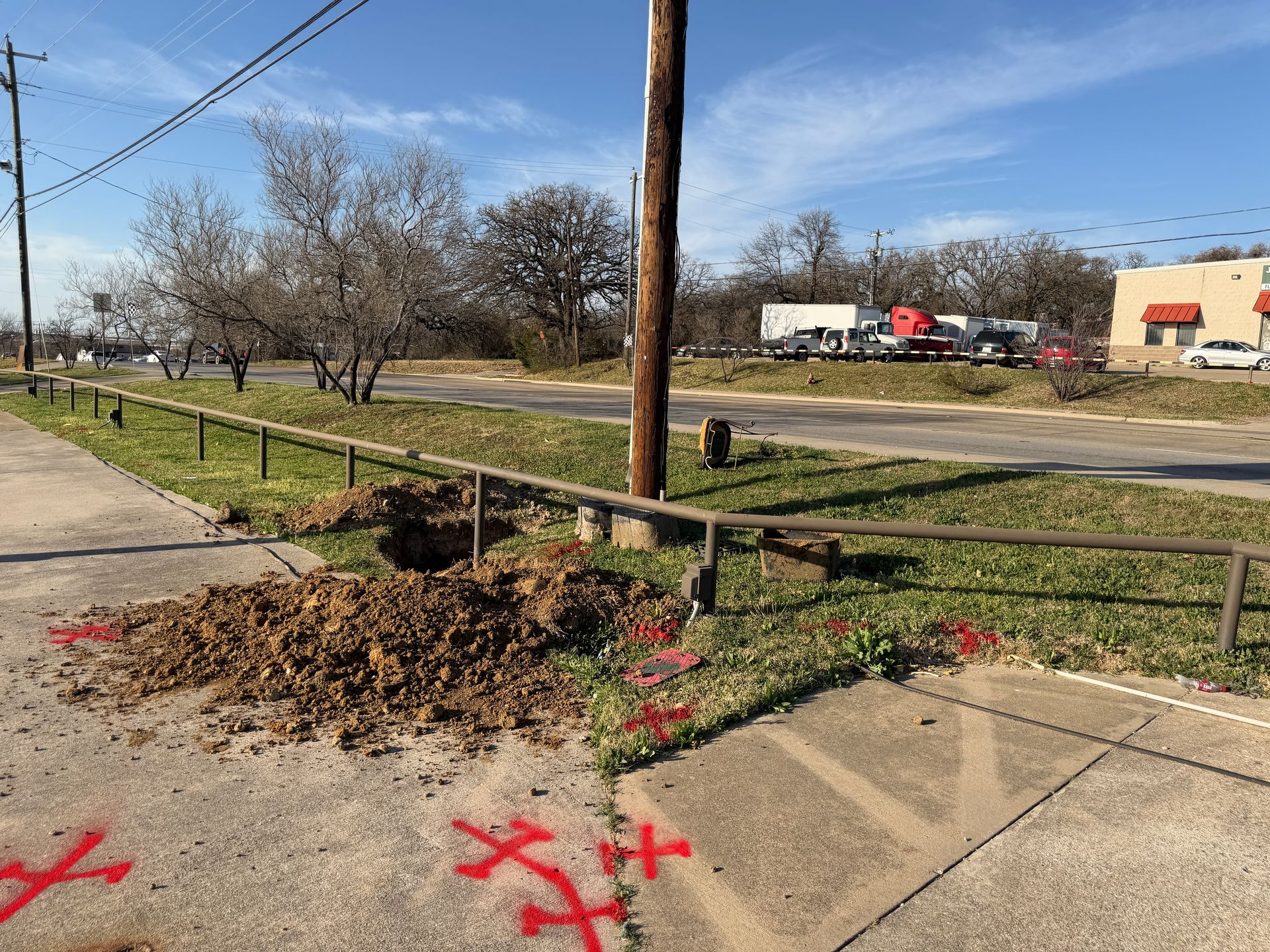
Four Steps From Path to Verified Clearance
Run in order, each step narrows the risk the next one prices.
Screen the Alignment
EM and GPR along the full path flag every crossing and parallel run, including the non-metallic and abandoned lines records miss.
Locate Each Crossing
Horizontal position established and marked at every conflict, so the bore plan knows exactly where the questions are.
Pothole the Critical Ones
Vacuum excavation exposes crossings where required separation is tight, converting estimated depth into a measured elevation.
Document and Drill
Measured clearances recorded against the bore profile, which satisfies crossing agreements and protects everyone when questions come later.
HDD Clearance Questions
Which crossings need potholing versus just locating?
How much separation does a bore need from an existing line?
Can you screen a path through congested right-of-way?
What about abandoned lines on the path?
Do you provide documentation for crossing agreements?
Can you support the bore crew during the shot?
Bore on the schedule?
Send the alignment and profile. We will flag the crossings and price the potholes that matter.
Ready to verify the path?
Send entry and exit locations, the planned profile, and any crossing agreements in play. We will scope screening and verification to match.