
Ranchland Remembers What Was Buried in It.
Utility-scale solar goes where land is cheap, and cheap Texas land has history: gathering lines from old oil and gas leases, unrecorded pipelines, irrigation mains, and private electric that served operations long gone. Pile driving finds all of it the hard way.
Energy land has been energy land before
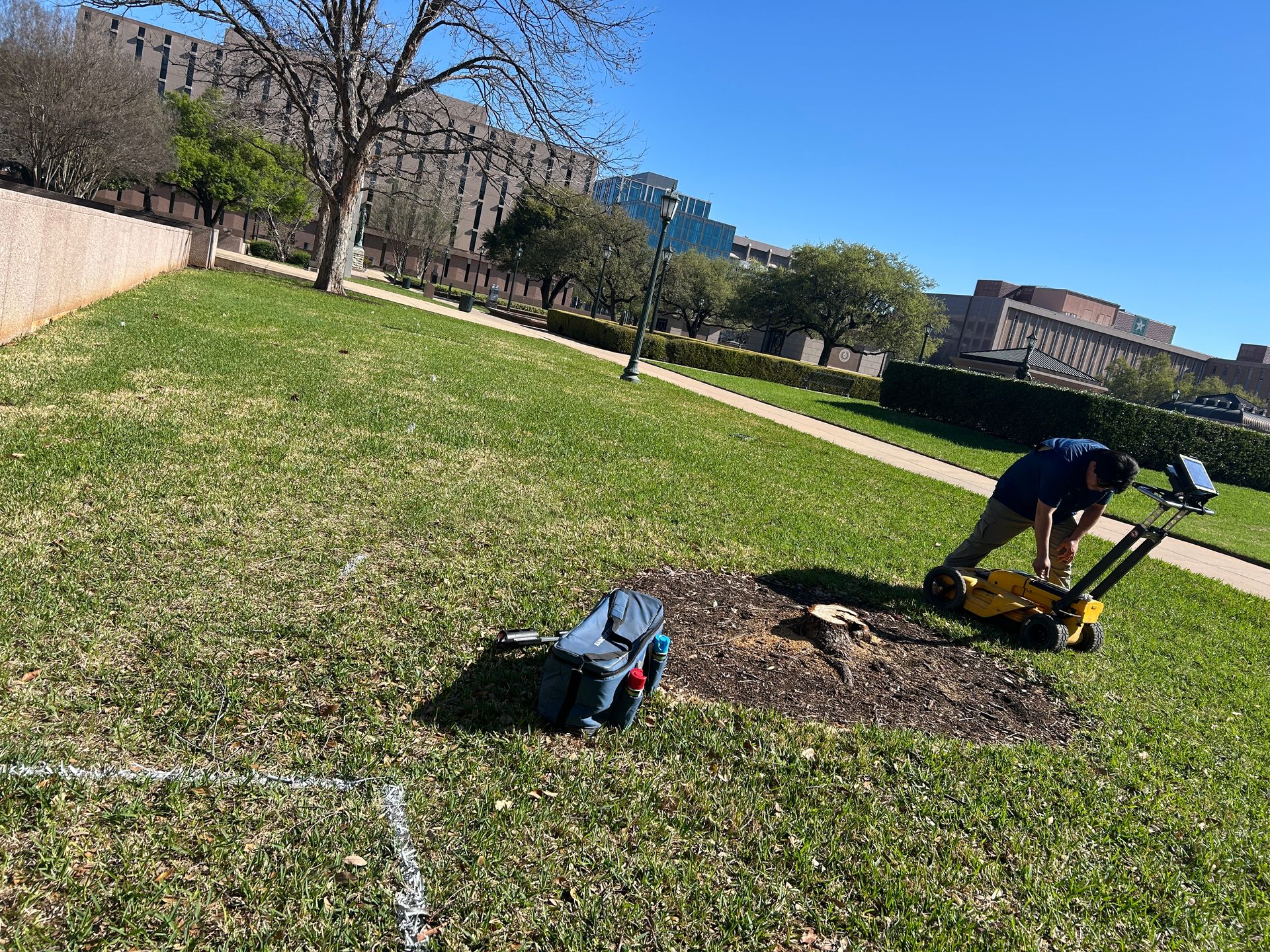
Much of the acreage going solar in Texas carried oil and gas activity first, and lease infrastructure was rarely documented to modern standards: gathering lines, saltwater disposal lines, flowlines between pads, and power to pumpjacks, much of it abandoned in place decades ago and absent from any one-call response.
A solar site then drives thousands of piles and trenches miles of collector routes through exactly that ground. Screening before construction is the difference between a schedule and a remediation project.
- Abandoned gathering and flowlines from prior leases
- Saltwater disposal lines absent from records
- Irrigation mains and private electric from ranching eras
- Pipeline easements crossing project boundaries
- Thousands of pile penetrations multiplying strike odds
One unrecorded flowline can shut down pile driving across a whole section.
From Diligence to Operations
Locating earns its cost at three points in a solar project's life.
Development & Diligence
Corridor and boundary screening before land commitments, so known conflicts price into the layout instead of the change orders.
Construction
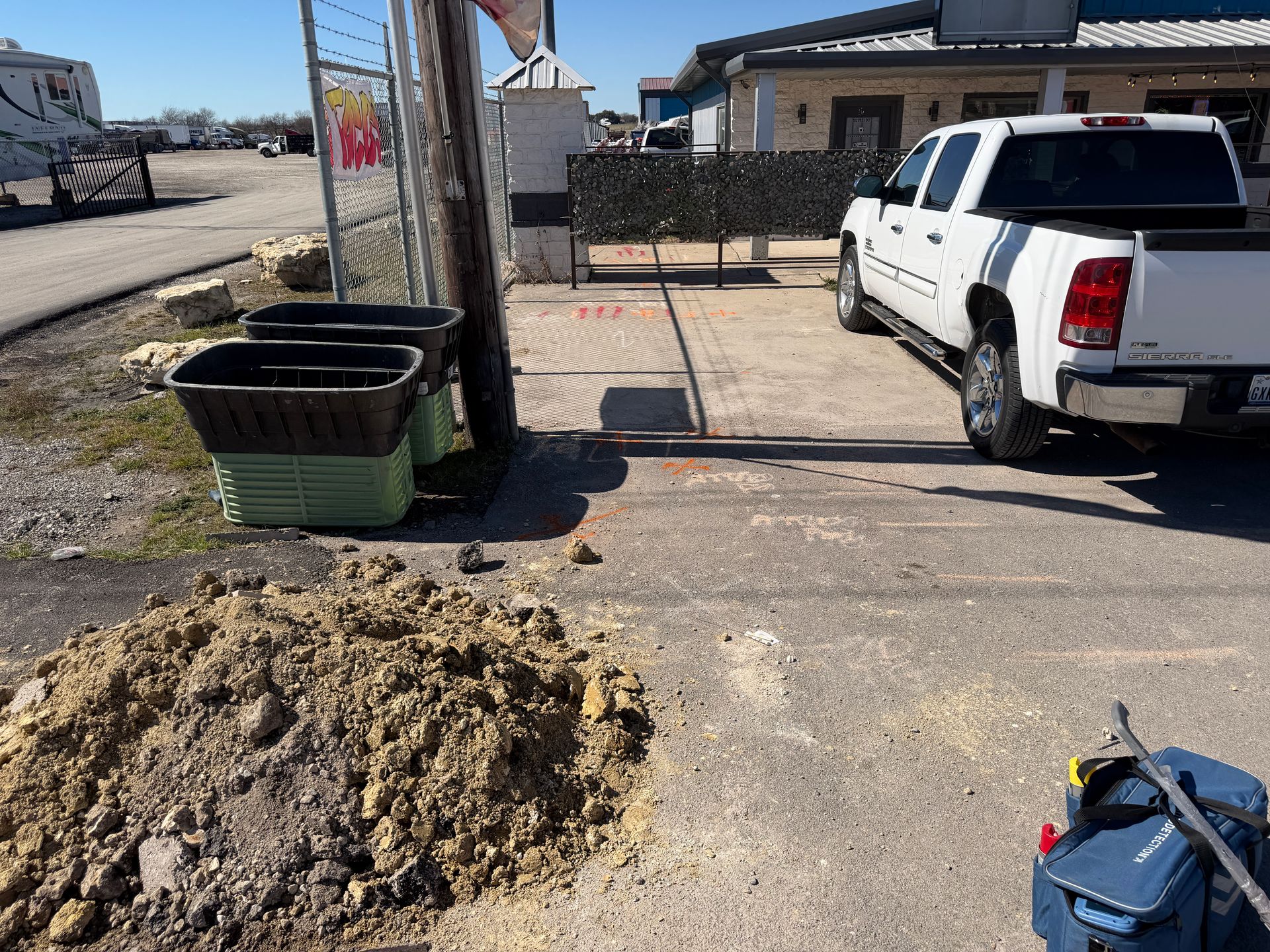
Pre-pile screening of blocks and collector trench routes, with measured test holes at pipeline and easement crossings.
Learn more →Operations
Georeferenced as-built mapping of collectors and feeders, so O&M crews a decade from now know what is where.
Learn more →Solar & Renewables Questions
Does 811 cover a ranch that is becoming a solar site?
Can you screen an entire utility-scale site?
How do pipeline easements on site get handled?
Do you work with EPC schedules?
What deliverables support the project long-term?
Do you cover West and South Texas project areas?
Site heading to NTP?
Send the layout and the pile schedule. We will scope screening that stays ahead of the crews.
Ready to screen the site?
Send the project location, acreage, and construction schedule. We will come back with a phased screening plan.