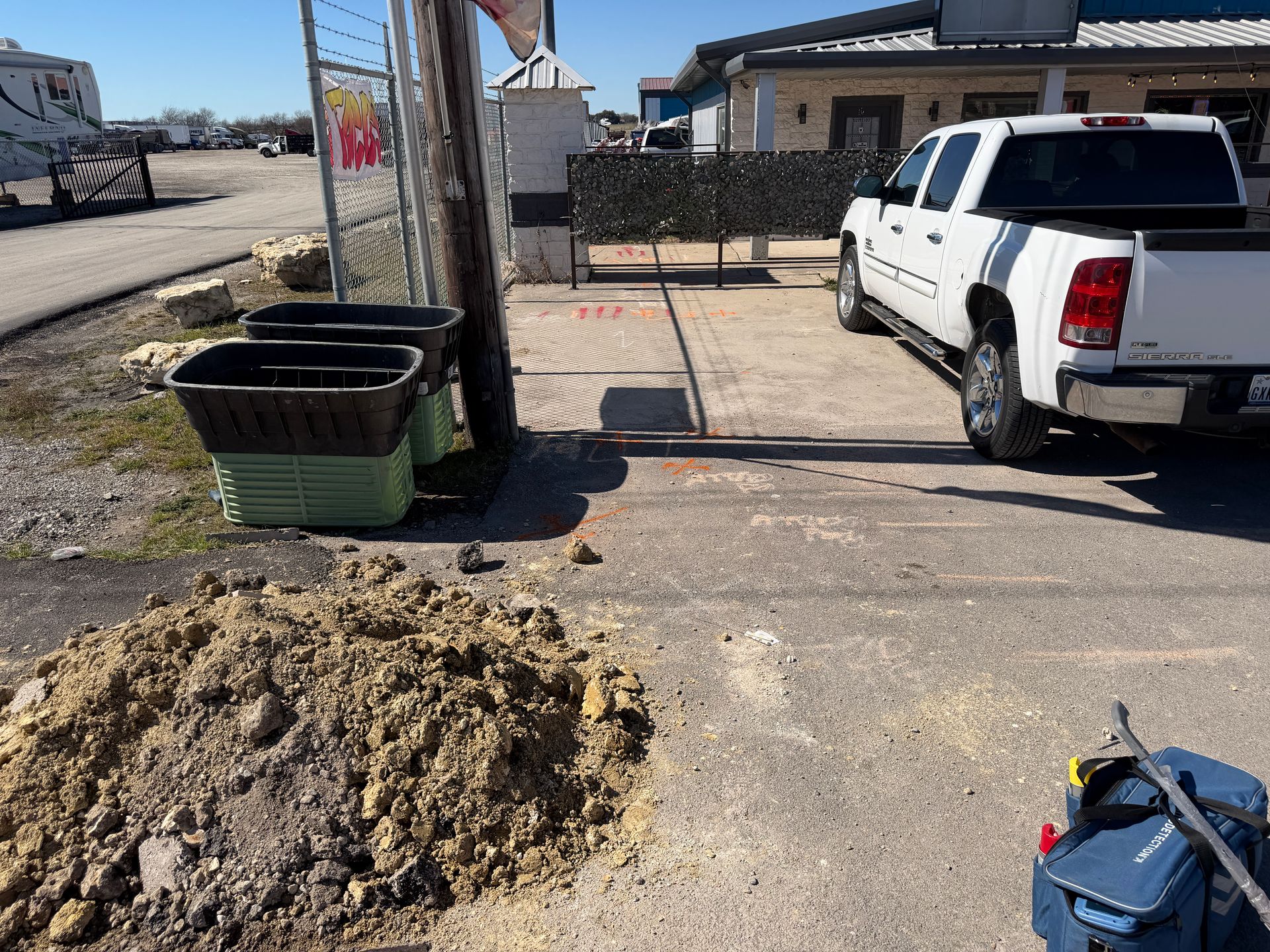
Disconnected on Paper Is Not Dead in the Ground.
Demolition inherits a site's whole utility history at once: active services that were supposed to be cut, abandoned lines nobody mentioned, and everything under the slab that only shows up when the excavator finds it. Verification before the first swing is the whole game.
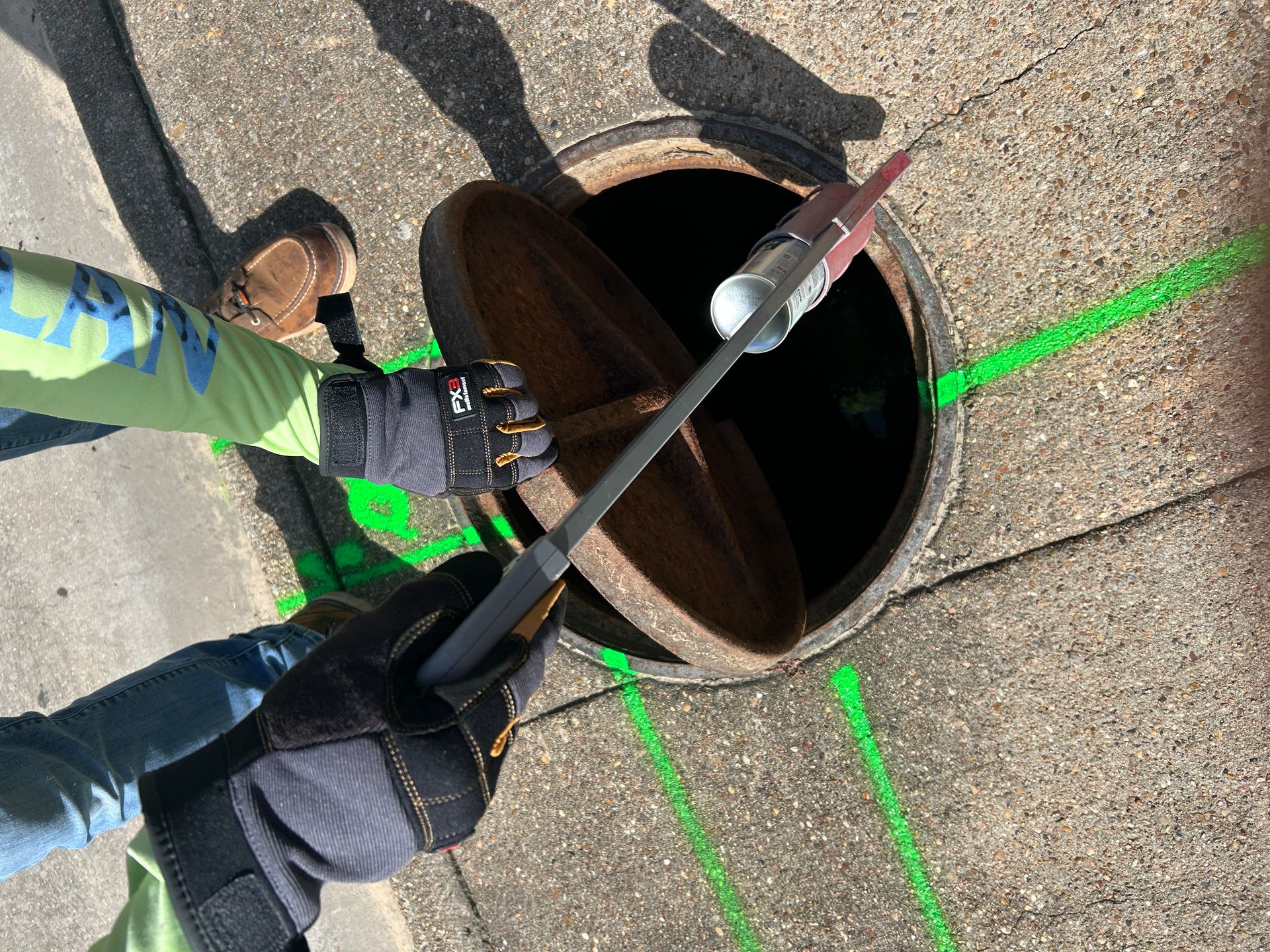
Every era of the building is still underground
Buildings accumulate services across their whole life: original utilities, upgrades, tenant additions, and the abandoned runs each change left behind. Disconnect orders cover the accounts someone knew about, and the excavator finds the rest.
Under-slab is its own category: conduit, piping, and tanks that appear on no drawing and stay invisible until the slab breaks. Scanning before demolition turns those surprises into line items.
- Active services missed by the disconnect list
- Abandoned runs from every tenant era
- Under-slab conduit, piping, and tank risks
- Site utilities crossing from neighboring parcels
- A verification record that protects the contractor
The disconnect order covers the accounts somebody remembered.