Concrete Scanning and Rebar Mapping — Texas

Know what's in the slab before the drill makes contact. GPR concrete scanning for pre-drill clearance, rebar mapping, post-tension cable location, and void detection.
GPR antenna scanning concrete slab before core drilling — concrete scanning Texas

Scan Before You Drill. Every Time.

A core drill through an unmarked post-tension tendon doesn't give you a warning. A saw cut across an energized conduit in a slab doesn't ask if you checked first. Concrete looks uniform from the surface — what's inside it isn't.

GPR concrete scanning locates rebar, post-tension cables, conduit, and embedded utilities before a drill bit or saw blade touches the slab.
Post-tension concrete is common throughout Texas commercial construction: parking structures, elevated slabs, office buildings, and mixed-use developments.

The pre-drill scan is the point where major damage and safety incidents are prevented.

Post-tension concrete is throughout Texas commercial construction. Scan before every penetration.

What Concrete Scanning Covers

Concrete scanning is used before drilling, coring, trenching, saw cutting, anchoring, or demolition to identify embedded hazards inside slabs and walls before work begins.

Typical findings include:

• Rebar and reinforcement patterns

• Post-tension cables and tendons

• Electrical conduit and duct banks

• Plumbing and drain lines

• Embedded utilities

• Voids and subsurface anomalies beneath slabs

Scanning is commonly performed on elevated decks, parking garages, podium slabs, tilt-wall panels, industrial floors, mechanical rooms, and occupied commercial buildings where blind drilling creates risk.

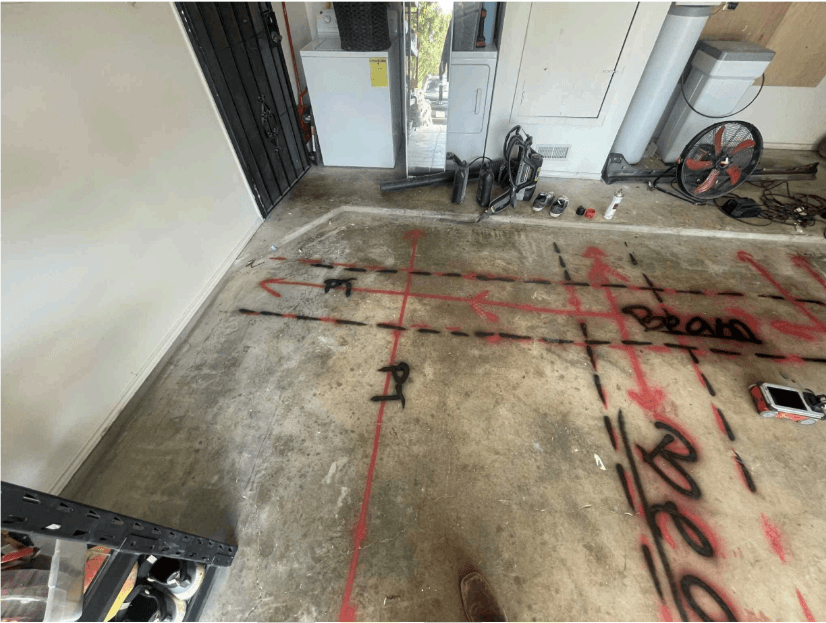
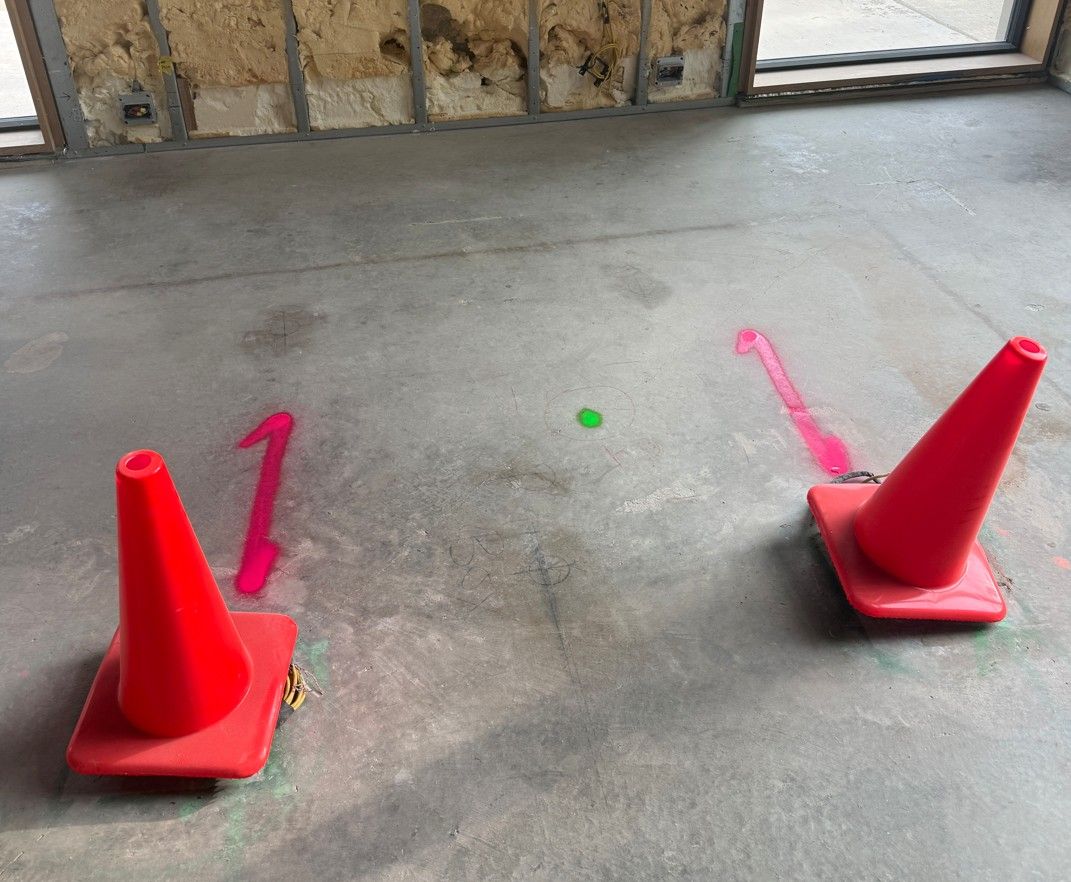
GPR concrete scanning for rebar and post-tension cable detection in Texas commercial slab

Concrete Scanning Across Texas

Concrete scanning is heavily used throughout Texas commercial construction due to the amount of post-tension concrete, elevated decks, podium slabs, parking structures, and occupied renovation work across the state.

Dallas–Fort Worth projects frequently involve elevated parking structures, mixed-use developments, and dense commercial construction where blind drilling creates substantial risk.

Houston projects often involve industrial facilities, petrochemical environments, high-moisture slab conditions, and large-scale commercial infrastructure.

Austin and San Antonio continue to see major multifamily, municipal, healthcare, and adaptive reuse development requiring pre-drill scanning and slab verification.

SiteTwin supports contractors, MEP trades, engineers, facility owners, and preconstruction teams with fast-response concrete scanning and field-ready deliverables throughout Texas.

Same-day and next-day mobilization available in many Texas markets.

Rates and What's Included

Concrete scanning is priced by the hour, per scan location, or as a project rate depending on scope and access conditions.

Typical services include:

• Pre-drill and pre-core scanning

• Post-tension cable location

• Rebar mapping

• Embedded conduit identification

• Void detection beneath slabs

• Surface marking prior to drilling or cutting

Deliverables may include field markings, PDF exhibits, written reports, and GPS-referenced documentation depending on project scope.

Send the address and scope and we’ll confirm feasibility, pricing structure, and mobilization timing before scheduling.

Field technician marking concrete surface with post-tension cable locations before drilling

Concrete Scanning FAQs

Common Questions About Concrete Scanning

Answers to common questions regarding GPR concrete scanning, post-tension cable locating, slab scanning, and pre-drill verification across Texas commercial projects.

How much does concrete scanning cost?

Concrete scanning in Texas typically runs between $150–$350 per hour depending on scope, slab conditions, access, and deliverables required. Smaller targeted scans may be priced per location.

Can GPR locate post-tension cables?

Yes. GPR is the standard non-destructive method used to identify post-tension tendons before drilling, coring, or saw cutting concrete slabs.

Does concrete scanning work on all slabs?

Most slabs can be scanned successfully, though dense reinforcement, excessive moisture, slab thickness, and congestion can reduce scan depth and clarity.

What can concrete scanning identify?

Concrete scanning can identify rebar, post-tension cable, conduit, embedded utilities, voids beneath slabs, and reinforcement patterns prior to drilling or cutting.

How long does a concrete scan take?

Small targeted scans may take less than an hour. Larger floor plates, elevated decks, or multiple scan areas require additional time depending on access and coverage area.

Ready to Schedule Concrete Scanning?

Send the address, slab details, and scope of work and we’ll confirm scan feasibility, mobilization timing, and project requirements before scheduling.

Same-day and next-day availability may be available depending on market and scope.