
How Contractors Prevent Utility Strikes Before Excavation
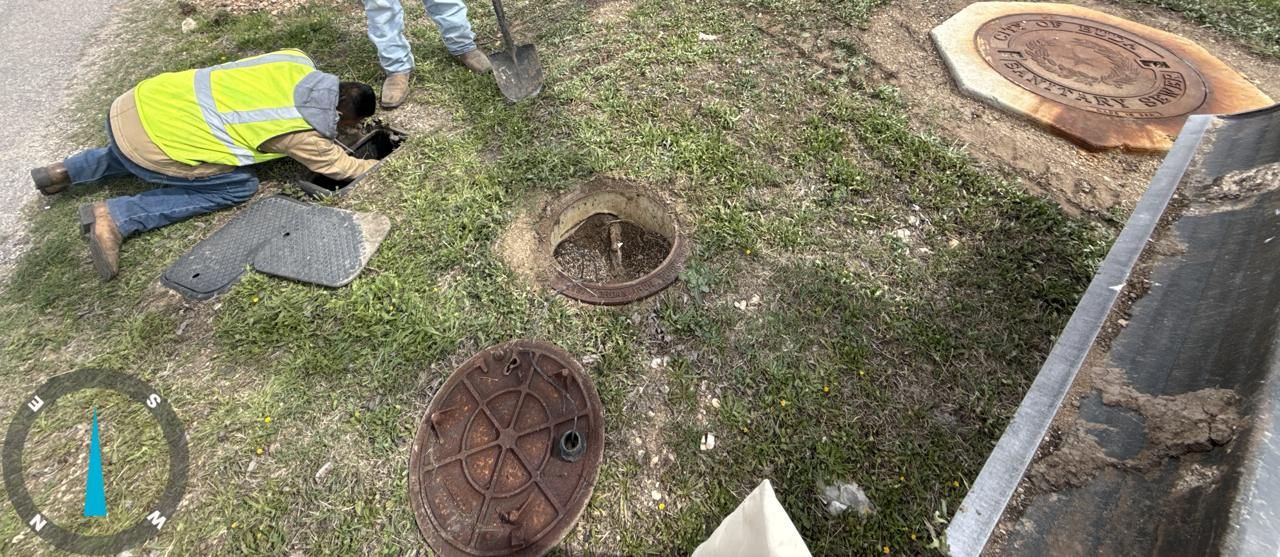
Utility strikes usually happen when the field conditions do not match the assumptions. The crew may have plans, paint marks, and a schedule to keep. But if a private utility is missing from the marks, a bore crosses an unknown line, or an old service was never documented, one hit can shut the job down fast.
A utility strike can mean idle equipment, emergency repairs, safety exposure, service outages, owner complaints, and schedule delays. Contractors prevent utility strikes by treating locating as part of production planning, not just a pre-dig checkbox.
Start With 811
811 should be contacted before excavation where required. It gives public utility owners the opportunity to mark the infrastructure they own near the proposed work area.
But 811 does not always cover every line on private property. Private utilities may include parking lot lighting, irrigation, private water lines, private gas lines, fire lines, secondary electric feeds, communication conduit, fiber, security gate power, and utilities between buildings.
That does not mean 811 failed. It means 811 and private utility locating cover different responsibilities. Contractors should use 811 for public utility notification and private utility locating when the project involves commercial property, industrial sites, campuses, multifamily properties, private developments, or undocumented utilities.
Review Plans, But Do Not Trust Them Blindly
Plans and as-builts are useful, but they are not field verification. Utilities get rerouted. Repairs happen without updated drawings. Tenants add services. Parking lots get repaved. Old lines are abandoned and left underground.
Before digging, contractors should review:
- Civil drawings
- Utility plans
- As-builts
- Irrigation plans
- Electrical drawings
- Plumbing records
- Previous locate maps
- Owner notes
The goal is to identify likely utility corridors before the crew starts opening ground.
Walk the Site
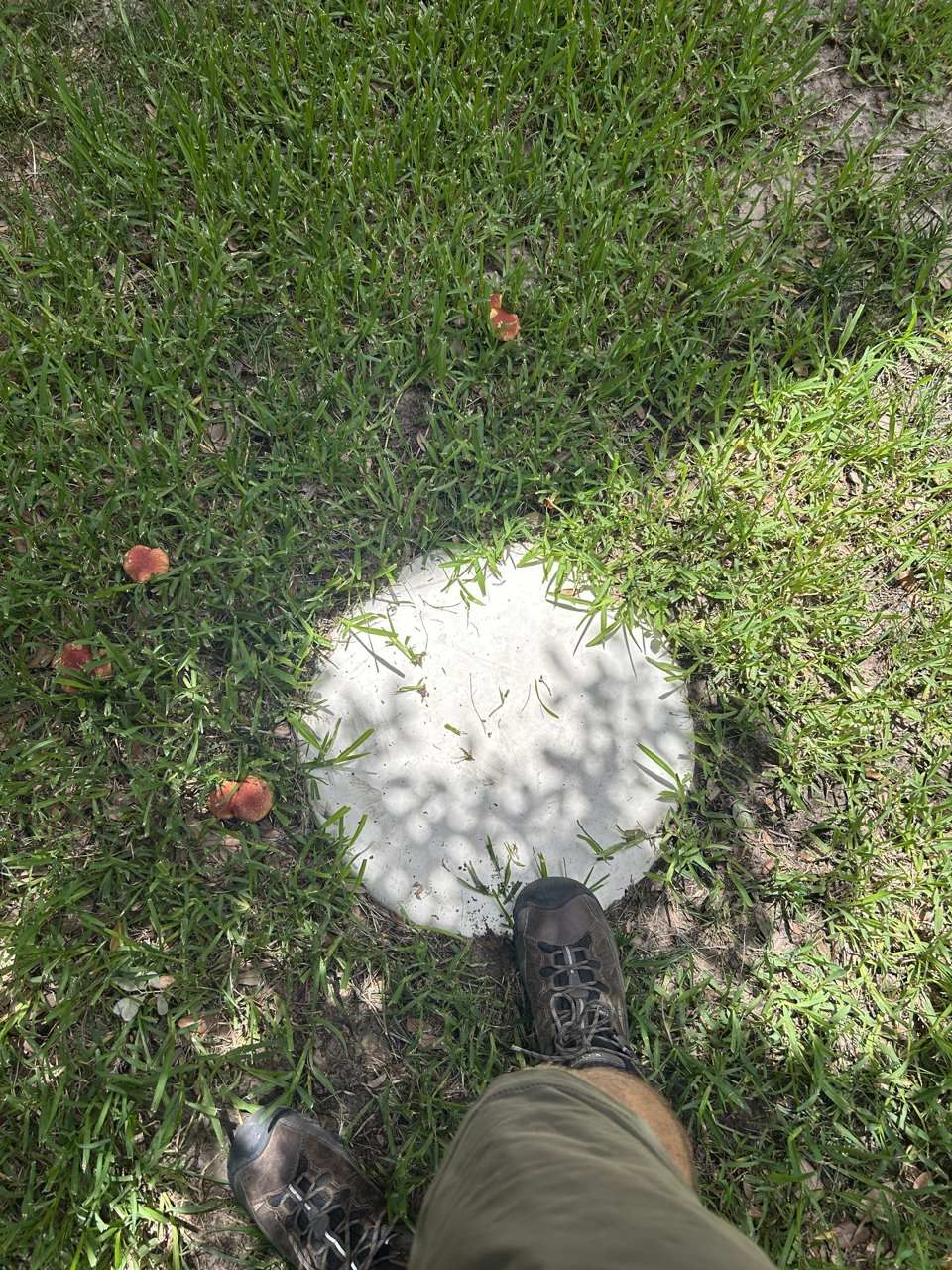
A site walk often reveals risks that drawings miss.
Contractors and locating technicians should look for surface clues such as:
- Manholes
- Valve boxes
- Water meters
- Backflow preventers
- Cleanouts
- Transformers
- Meter banks
- Handholes
- Pull boxes
- Light poles
- Irrigation controls
- Building penetrations
- Pavement patches
- Trench scars
A row of light poles may indicate private electric conduit. A patch across asphalt may follow an old utility trench. A cleanout may point to a sanitary lateral. Reading the site helps prevent crews from digging through hidden utility paths.
Use EM Locating
Electromagnetic locating, or EM locating, helps trace conductive utilities or utilities with tracer wire. It may be used for electric lines, metallic water lines, communication lines with tracer wire, gas lines with tracer wire, and metallic conduits.
EM locating works best when the utility is accessible, conductive, and able to carry a signal. It has limits. Non-conductive pipe, broken tracer wire, missing tracer wire, poor grounding, signal bleed, inaccessible connection points, and congested utility corridors can all affect results. That is why EM locating is often combined with GPR scanning.
Use GPR Scanning for Unknowns
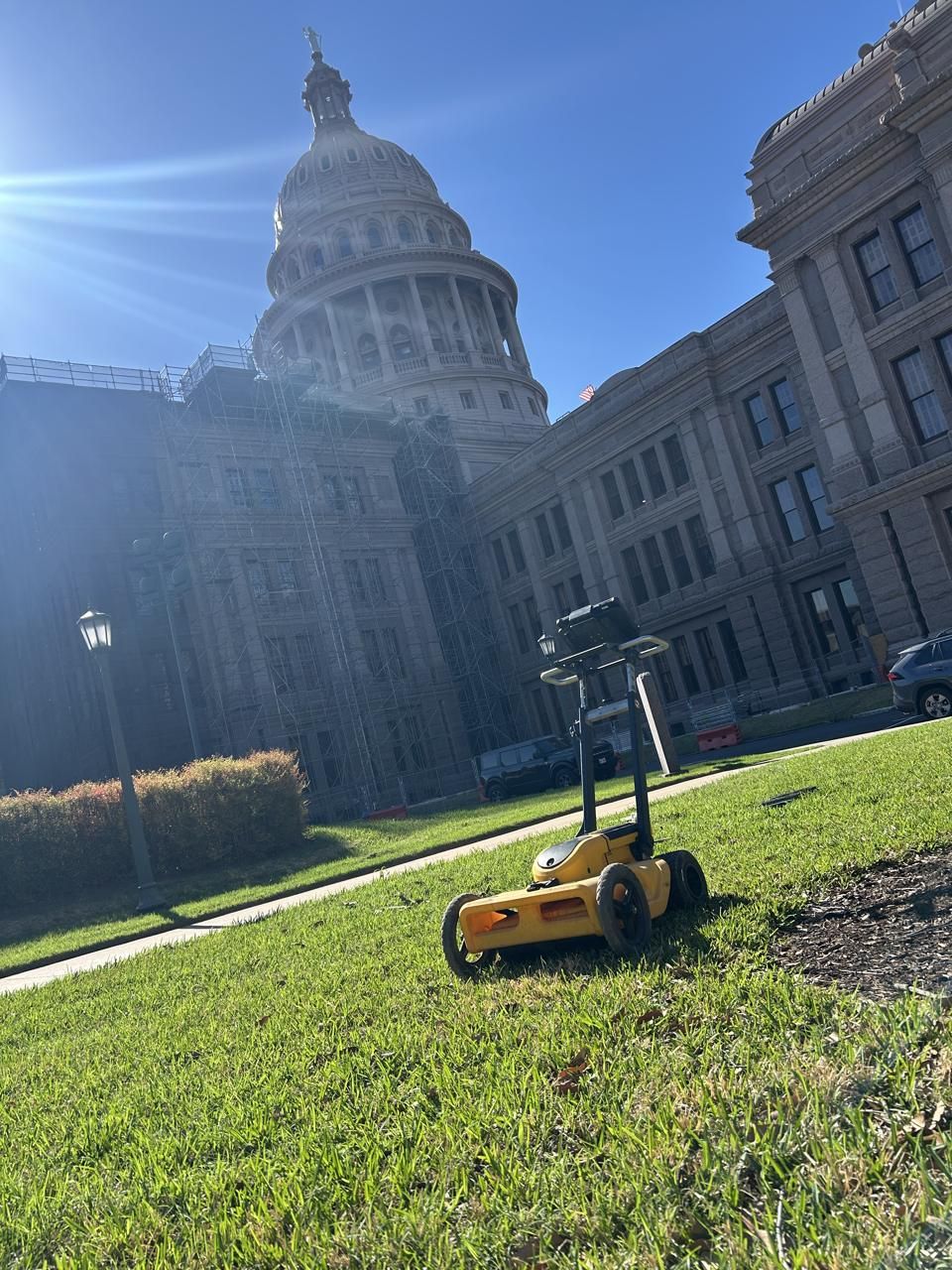
Ground penetrating radar helps investigate subsurface targets that may not be traceable with EM locating alone.
SiteTwin | GPR Scanning Services
GPR scanning may help identify buried targets, trench lines, utility corridors, abandoned utilities, voids, and unknown anomalies in the work area. It is useful when records are incomplete, utilities are non-conductive, tracer wire is missing, or excavation crosses a congested corridor.
GPR has limitations. Soil type, moisture, clay content, depth, surface conditions, debris, utility material, and nearby interference can affect what can be detected. GPR does not guarantee that every underground utility will be found. The best results come from combining records, site inspection, EM locating, GPR scanning, and field experience.
Planning Excavation or Boring? SiteTwin performs private utility locating, GPR scanning, and underground utility investigations for contractors and property owners across Texas.
SiteTwin | Request A Locate
Pothole High-Risk Conflicts
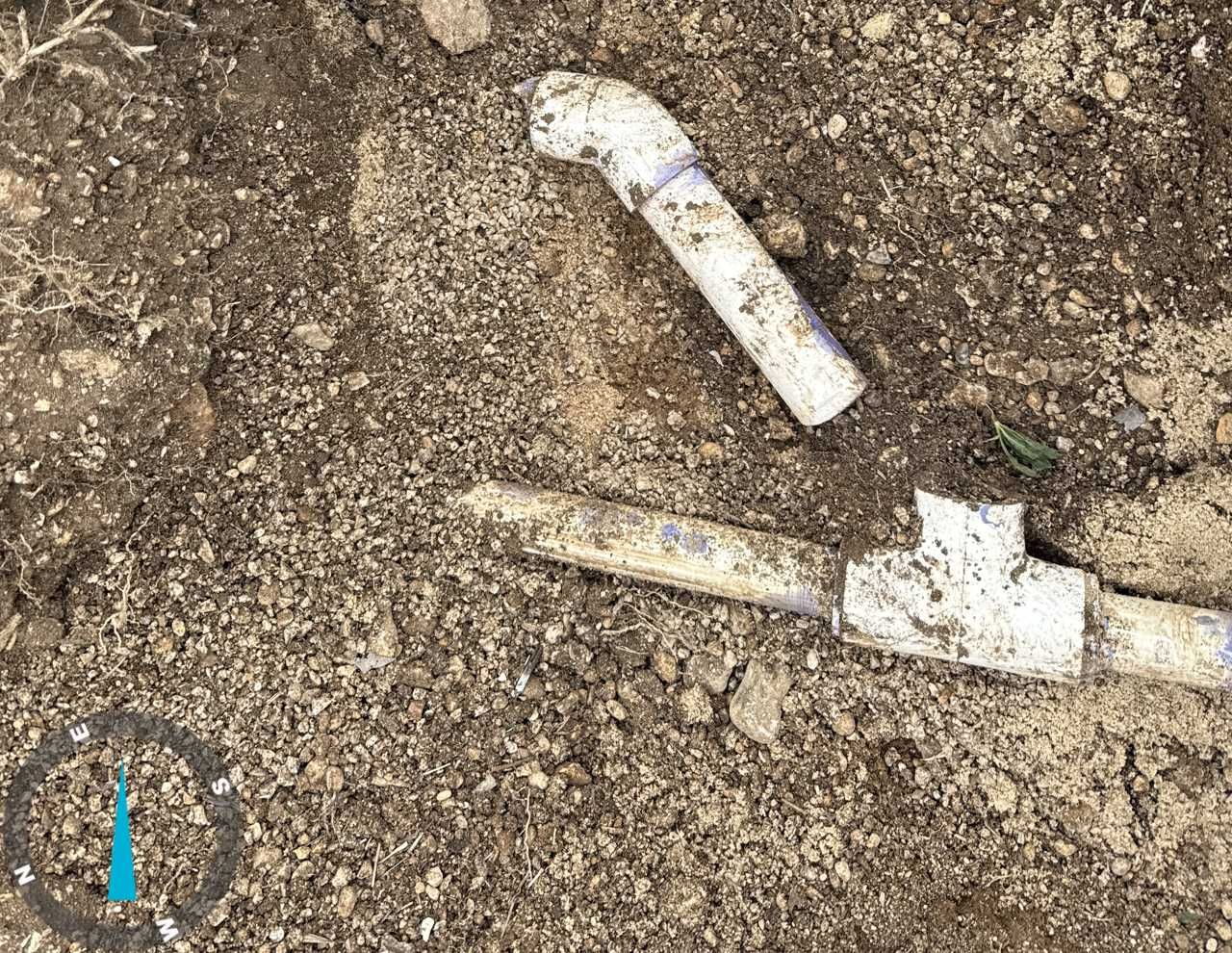
Utility locating reduces risk, but it does not replace physical verification. When excavation risk is high, potholing or daylighting should be used to confirm utility depth, location, and type before mechanical excavation continues through a conflict area.
This is especially important before:
- Directional boring
- Deep trenching
- Utility tie-ins
- Work near gas or power
- Fiber crossings
- Water main conflicts
- Congested utility corridors
- Areas where records and marks conflict
Paint marks show suspected horizontal alignment. Potholing confirms what is actually underground. A utility may be shallower than expected, deeper than shown, offset from the mark, abandoned, active, or crossing the trench at an angle.
Keep the Crew Aligned
Utility strike prevention depends on communication. The superintendent, foreman, operator, potholing crew, boring crew, and subcontractors need to understand what was marked and what remains uncertain.
Before excavation begins, review:
- Known utility paths
- Suspected utility paths
- Unknown targets
- Areas with limited confidence
- Required potholing locations
- No-dig or hand-dig areas
- Route changes
A good locate loses value if the information does not reach the crew doing the work.
Document the Locate
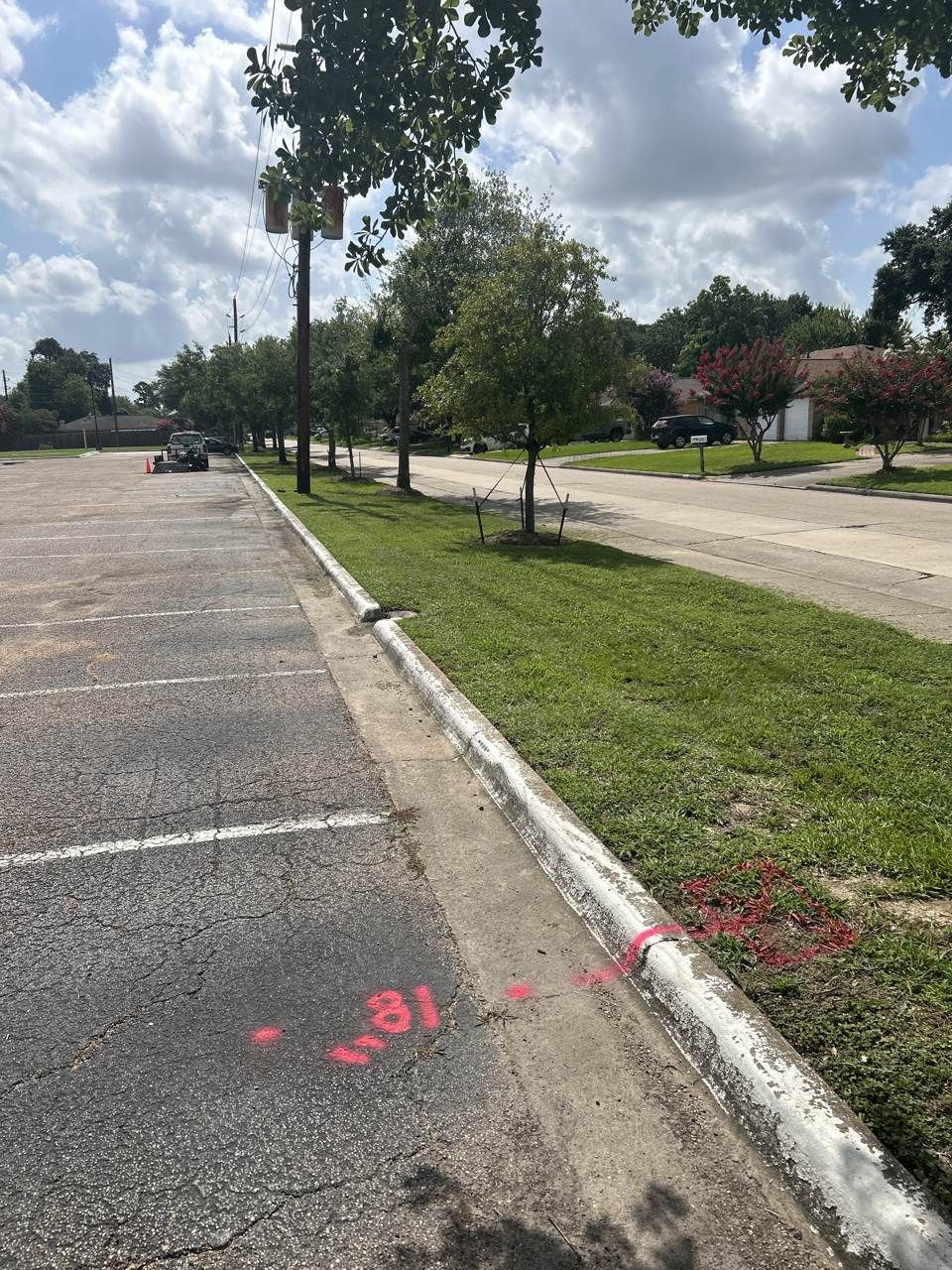
For larger projects, paint marks may not be enough.
Depending on scope, SiteTwin may provide:
- Utility paint markings
- Site photos
- Field sketches
- PDF utility maps
- KMZ exports
- GIS-compatible utility mapping
- Conflict notes
- Potholing recommendations
Documentation helps when multiple crews, project managers, engineers, or owners need the same field information.
Utility Strike Prevention Across Texas
Across Texas, utility strike risk is common on commercial and industrial sites because properties are often expanded, repaired, repaved, and remodeled over time.
SiteTwin serves the major Texas metros:
- Houston Utility Locating
- Dallas Utility Locating
- Austin Utility Locating
- Fort Worth Utility Locating
- San Antonio Utility Locating
In Houston, Dallas, Austin, San Antonio, and Fort Worth, private utilities may not match old records. Crews need field investigation before trenching, boring, cutting, or excavating. You can also check out our service areas.
Utility Strike Prevention FAQ
How do contractors prevent utility strikes?
Contractors prevent utility strikes by contacting 811, reviewing plans, walking the site, using private utility locating, using EM locating and GPR scanning, potholing high-risk conflicts, and communicating findings to the crew.
Does 811 prevent all utility strikes?
No. 811 is important, but it may not mark private utilities on commercial or private property. Private utility locating may be needed.
Can GPR find every underground utility?
No. GPR cannot find every utility in every condition. Soil, moisture, depth, surface conditions, utility material, and congestion can affect results.
When should contractors pothole utilities?
Contractors should pothole when a utility conflict is high risk or must be physically verified before mechanical excavation, trenching, or boring.
Prevent the Strike Before the Crew Digs
Utility strikes are easier to prevent before excavation starts than to fix after the damage is done. Get the work area located, marked, verified, and documented before the crew digs.