
The Ultimate Guide to Utility Locating for Safe Construction Projects
Understanding Utility Locating
Utility locating is a crucial step in any construction project. It involves identifying and mapping underground utilities to prevent accidental damage during excavation. Proper utility locating ensures the safety of workers and the integrity of the infrastructure.

Why Utility Locating Matters
Accidentally hitting an underground utility can lead to significant delays, costly repairs, and even legal consequences. More importantly, it poses a serious safety risk to workers and the public. By accurately identifying the location of utilities, construction teams can plan their work more effectively and avoid potential hazards.
Types of Underground Utilities
Various types of utilities are commonly found underground, including:
- Water and sewer lines
- Gas pipelines
- Electric cables
- Telecommunication cables
Understanding the types of utilities present at a site is essential for effective planning and execution of construction activities.

Methods of Utility Locating
There are several methods used for utility locating, each with its own advantages:
- Ground Penetrating Radar (GPR): Uses radar pulses to image the subsurface and is effective for locating both metallic and non-metallic utilities.
- Electromagnetic Location (EML): Involves inducing a signal onto underground utilities and detecting it with a receiver. It's suitable for metallic utilities.
- Hydro Vacuum Excavation: A non-destructive method using water or air to safely expose underground utilities.
Best Practices for Safe Utility Locating
Ensuring safety while locating utilities requires adherence to best practices:
- Always hire experienced and certified professionals.
- Use a combination of locating methods for accuracy.
- Update utility maps and records regularly.

Legal and Regulatory Considerations
Compliance with local laws and regulations is vital. Many regions have specific requirements for utility locating before excavation begins. It's important to be familiar with these regulations and ensure that all necessary permits and notifications are in place.
Technology in Utility Locating
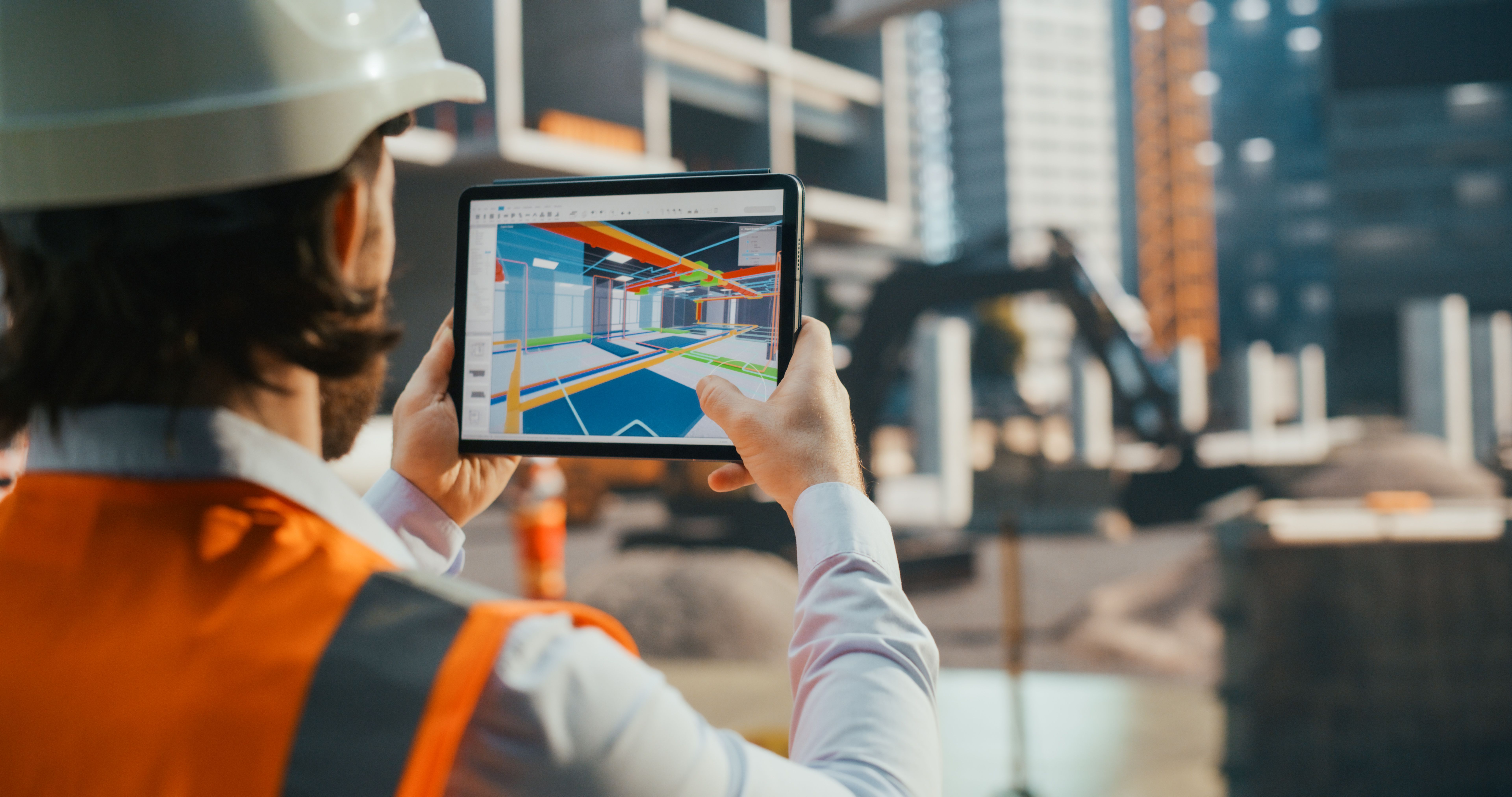
Advancements in technology have significantly improved utility locating processes. Modern equipment offers greater accuracy and efficiency, reducing the risk of errors. Innovative software solutions also allow for detailed mapping and data management, enhancing overall project planning.
Conclusion
Utility locating is an indispensable aspect of safe and successful construction projects. By understanding the importance of accurate utility mapping and employing the right methods and technologies, construction teams can minimize risks and ensure a smooth workflow. Always prioritize safety and compliance to protect both people and infrastructure.