
Top Tips for Preventing Utility Strikes in Engineering Projects
Understanding the Importance of Utility Strike Prevention
Utility strikes can pose significant risks to engineering projects, leading to costly delays, safety hazards, and damage to essential infrastructure. Understanding the importance of preventing these incidents is crucial for any construction or engineering team. By implementing effective strategies, you can ensure the safety and efficiency of your projects.
Utility strikes occur when underground services such as gas, water, electricity, or telecommunications are accidentally damaged during excavation or construction work. These incidents can result in severe consequences, including service interruptions, environmental harm, and even injuries.
Conduct Thorough Site Surveys
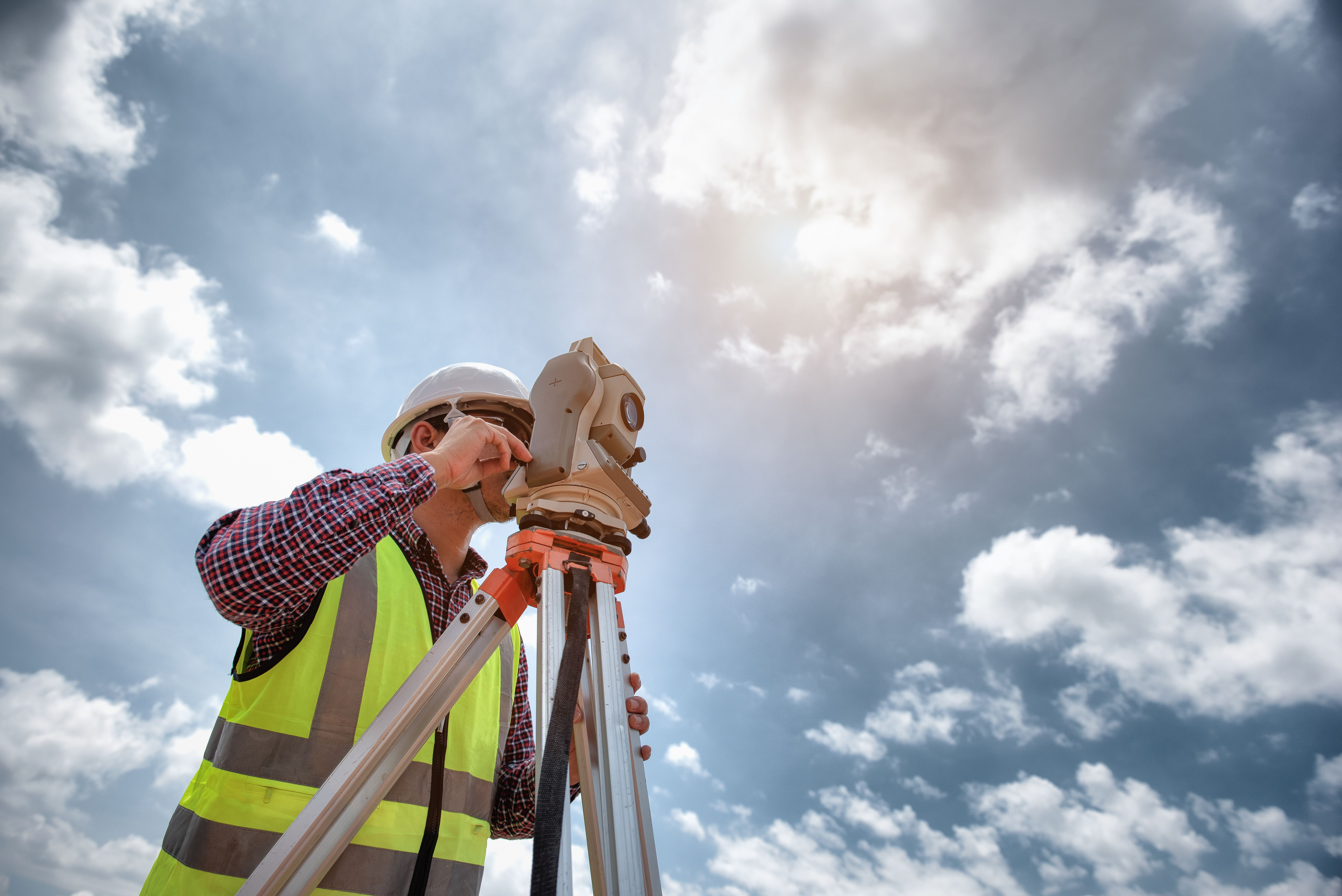
One of the most effective ways to prevent utility strikes is by conducting comprehensive site surveys before beginning any excavation work. A detailed survey helps identify the location of underground utilities and assess potential risks.
Utilizing advanced technologies like ground-penetrating radar (GPR) and electromagnetic location equipment can significantly improve the accuracy of your surveys. These tools provide a detailed map of underground utilities, enabling your team to plan excavation activities carefully.
Involve Experienced Personnel
Having experienced personnel on your team who are well-versed in reading utility maps and using detection equipment is critical. Their expertise can help in accurately identifying utilities and avoiding potential strikes.
Implement Safe Digging Practices
Safe digging practices are essential in minimizing the risk of utility strikes. Adhering to best practices and industry standards can greatly enhance the safety of your project.
- Mark utility locations: Ensure that all detected utilities are clearly marked on the site. Use color-coded markers to indicate different types of utilities.
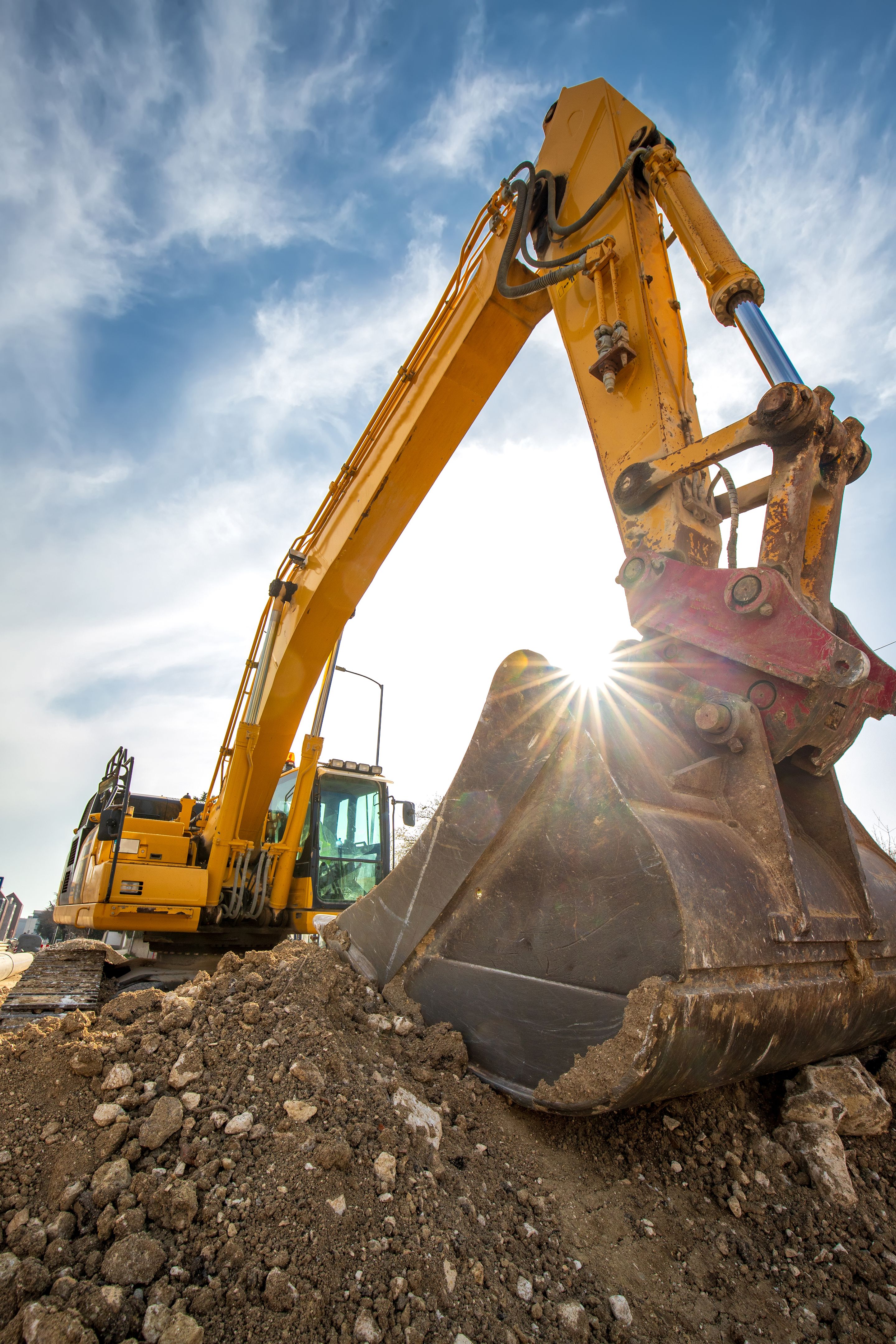
- Use hand digging: In areas where utilities are present, opt for hand digging instead of mechanical equipment to reduce the risk of damage.
- Monitor excavation: Continuously monitor excavation activities to ensure compliance with safety guidelines and quickly address any potential hazards.
Regular Training and Communication
Regular training and communication are vital components of a successful utility strike prevention strategy. Ensure that all team members are familiar with the latest safety standards and best practices related to utility strike prevention.
Conduct regular training sessions and safety briefings to keep everyone informed and aware of the potential risks. Encourage open communication among team members to report any concerns or potential issues immediately.
Utilize Technology and Innovation
Embracing technology and innovation can further enhance your utility strike prevention efforts. Consider integrating digital tools and software that allow for real-time communication and monitoring of excavation activities.
Utilizing mobile apps and cloud-based platforms can facilitate better coordination among team members, ensuring that everyone is on the same page and aware of any changes or updates in the project plan.
Review and Learn from Past Projects
Finally, reviewing and learning from past projects can provide valuable insights into improving utility strike prevention strategies. Analyze any incidents that occurred and identify areas for improvement.
Documenting lessons learned and implementing changes based on past experiences can significantly reduce the likelihood of utility strikes in future projects, leading to safer and more efficient operations.