
How Deep Are Underground Utilities Buried?
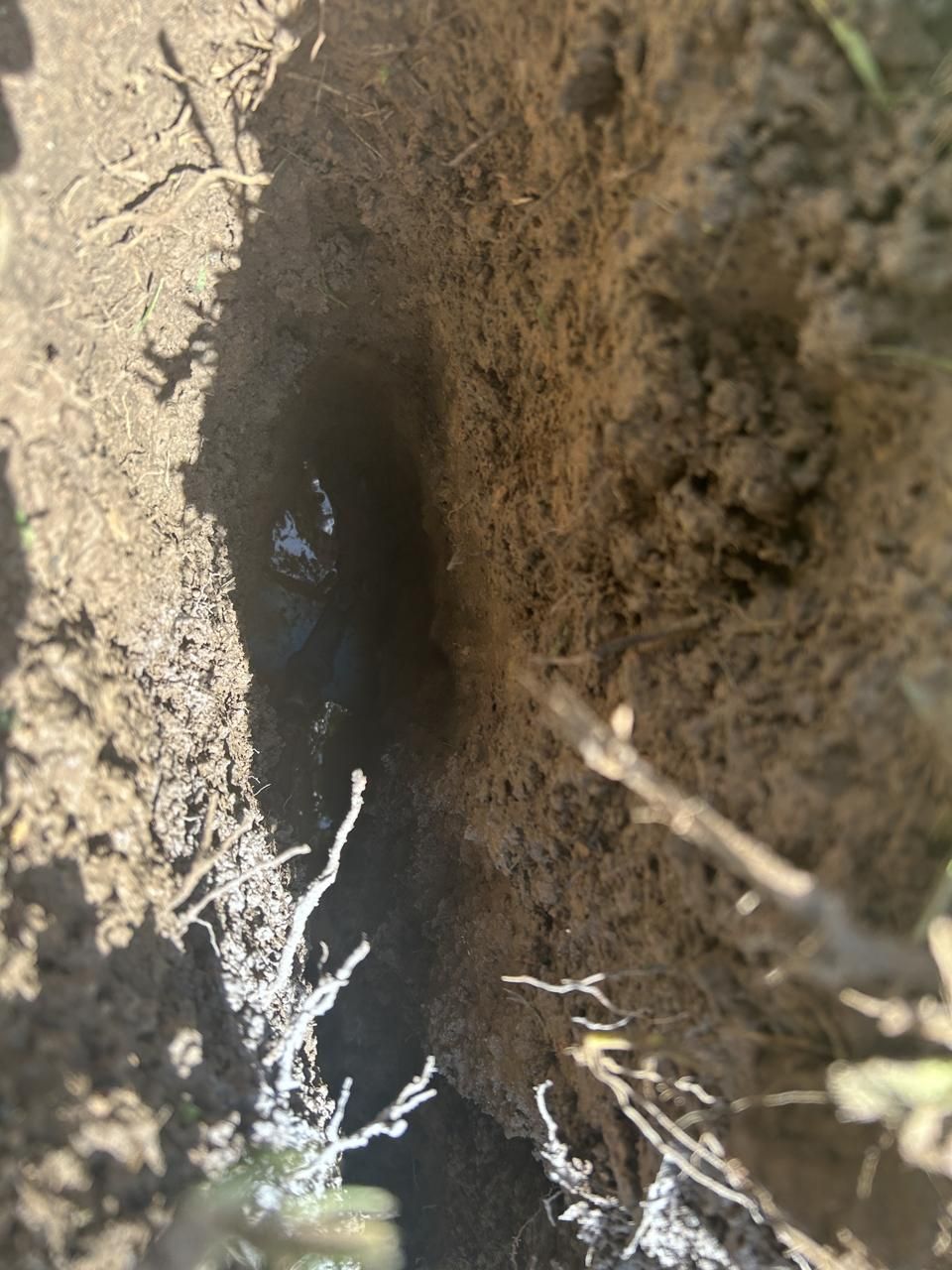
It is one of the most common questions before any dig: how deep is that line? The honest answer is that there is no single depth. Burial depth depends on the type of utility, the local code and utility owner's standards, the soil, and how the site has changed since the line went in.
Below are the typical depth ranges for common underground utilities - useful for planning, but never a substitute for locating and verifying the actual line in the field.
SiteTwin | Utility Locating Services
Typical Utility Burial Depths
These are general ranges only. Actual depth varies by jurisdiction, utility owner, installation date, and site conditions.
- Water lines - Service lines are commonly buried around 24 to 48 inches or deeper, generally below the local frost line. Water mains are usually deeper than the service lines running to a building.
- Gas lines - Distribution mains are often around 24 inches deep, while smaller service lines to a building may be shallower, commonly around 18 inches. Depth varies by provider and location.
- Electrical lines - Direct-buried electrical is commonly around 24 inches, and lines run in conduit may be shallower. Primary (higher-voltage) lines are typically deeper than secondary service lines.
- Sewer and sanitary lines - Depth varies widely because these lines run on a slope. They can be a few feet down near a building and much deeper as they run toward a main - sometimes well beyond typical excavation depth.
- Storm drainage - Also varies with grade and design, often deeper than shallow service utilities.
- Communication and fiber - Telecom, cable, and fiber lines are frequently among the shallower utilities, commonly around 12 to 24 inches.
Note the pattern: the shallowest lines - communication, fiber, and some gas or electric services - are often the easiest to hit first, and they are exactly the ones that stop a job or take out service to a building.
Why You Cannot Assume Depth
Even where a code specifies a minimum burial depth, the line in the ground may not match it. Several things push the real depth away from the "standard":
- Grading and repaving change the surface after the utility was installed, making a line shallower or deeper than when it was buried.
- Repairs and reroutes are often done without updating drawings.
Older lines may predate current depth requirements entirely. - Private utilities on commercial property may have been installed to no consistent standard at all.
- A minimum-depth code tells you what should be there. It does not tell you what is there. On a real job site, the only reliable depth is a verified one.
How Depth Is Actually Determined in the Field
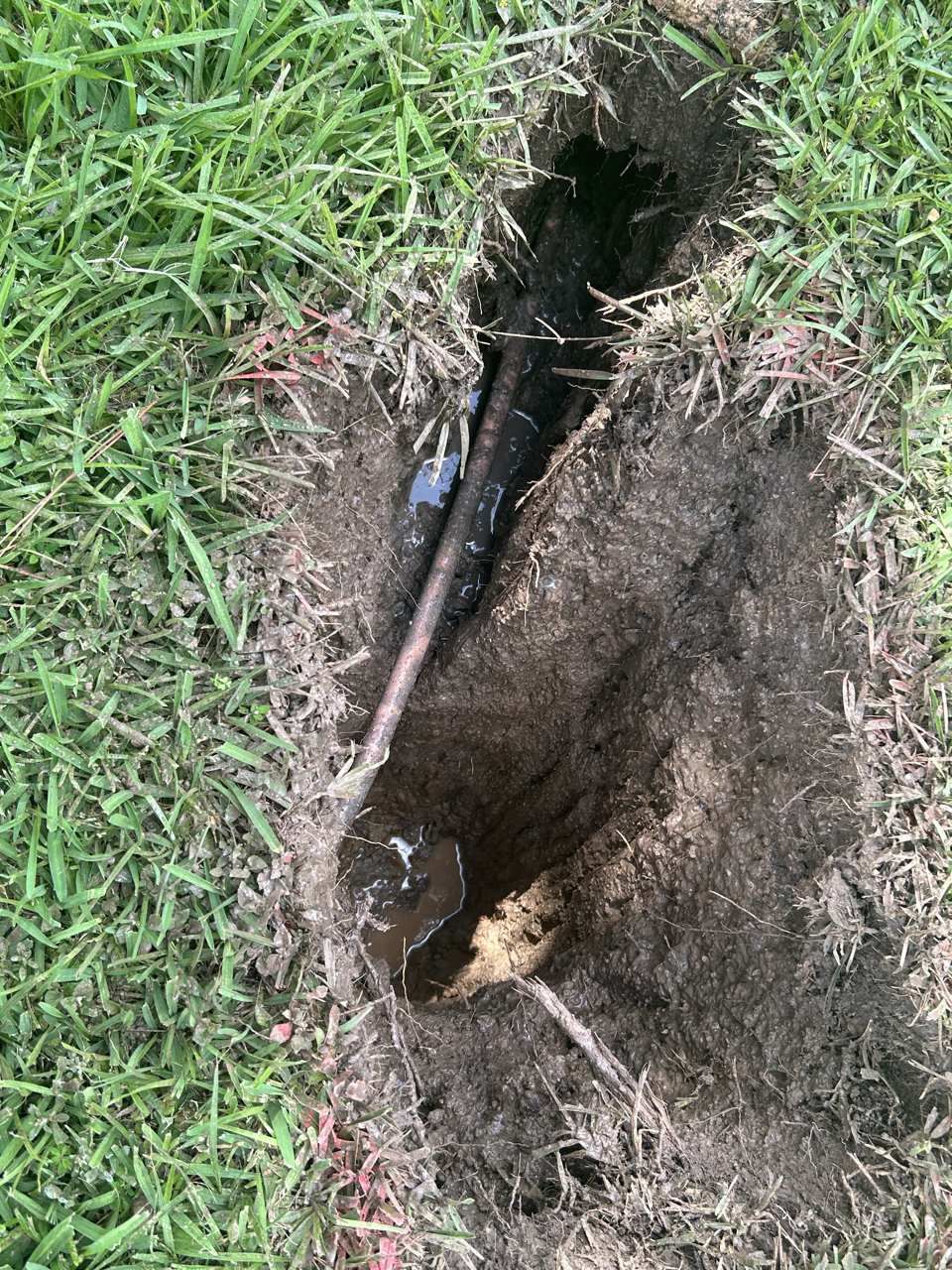
Utility locating narrows down where a line runs and can estimate depth, but that estimate has limits. Electromagnetic locating can provide an approximate depth reading, and GPR can help investigate depth and position - but soil conditions, utility material, and congestion all affect the reading.
When the real number matters - a directional bore crossing a gas line, a deep trench near power - the depth is confirmed by potholing. Potholing physically exposes the utility so the crew measures its actual depth instead of trusting a code minimum or a surface estimate.
SiteTwin | GPR Scanning Services
Why Depth Matters for Excavation
Assuming a utility is at "code depth" is how strikes happen. A trench planned to a fixed depth can clip a line that was reburied shallower during a repaving job. A bore set to a planned elevation can cross a service line that sits higher than the plans show.
Knowing the type of utility gives you a starting range. Locating narrows the path. Potholing confirms the depth. The three together are what let a crew dig with confidence instead of assumptions.
Need to know what's underground before you dig? SiteTwin performs private utility locating, GPR scanning, and underground utility investigations for contractors and property owners across Texas. Send the address and scope for review. Request a locate.
Underground Utilities on Private Property
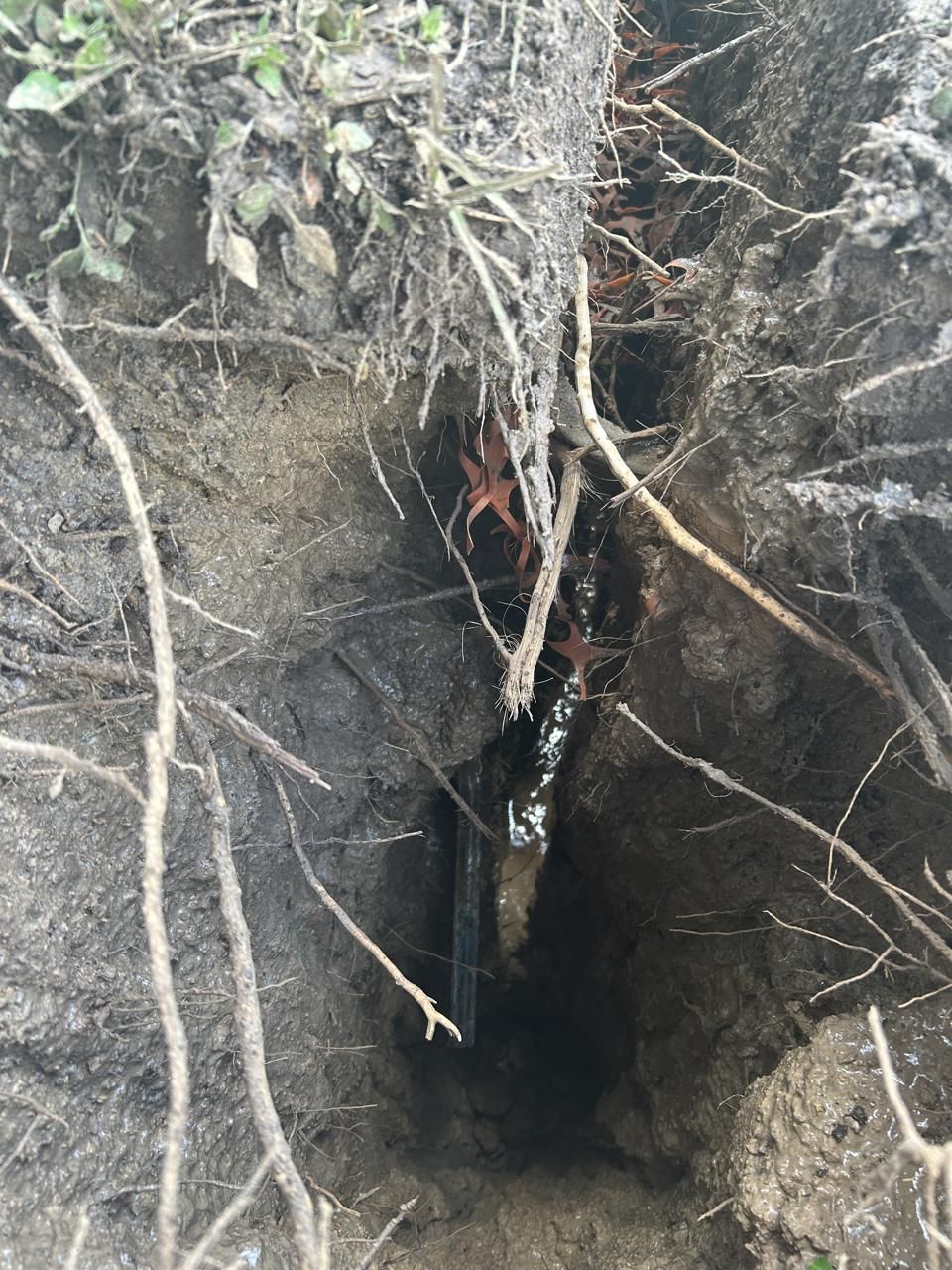
Public utility owners generally install to a known standard, but private utilities on commercial and industrial property are a different story. Site lighting, irrigation, private electric, fire lines, and utilities between buildings may sit at inconsistent depths and often are not marked through 811 at all. On these sites, depth is even less predictable, and a private locate becomes important before excavation.
Utility Depth in Texas
Texas has no single statewide burial depth that applies to every utility - depth follows the applicable codes and each utility owner's standards. Combined with heavily built, frequently modified commercial sites, that makes field verification the safe approach. SiteTwin serves the major Texas metros:
- Houston
- Dallas
- Austin
- Fort Worth
- San Antonio
You can also view our service locations.
Utility Burial Depth FAQ
How deep are water lines buried?
Water service lines are commonly buried around 24 to 48 inches or deeper, generally below the local frost line, with mains typically deeper than service lines. Actual depth varies by code and location, so it should be verified before digging.
How deep is a gas line buried?
Gas distribution mains are often around 24 inches deep, while service lines to a building may be shallower, commonly around 18 inches. Depth varies by provider, so gas lines should always be located and verified before excavation.
How deep are electrical lines buried?
Direct-buried electrical is commonly around 24 inches, with conduit-run lines sometimes shallower and primary lines deeper. Because voltage and installation vary, depth should be confirmed in the field.
How deep is a sewer line buried?
Sewer lines run on a slope, so depth varies - a few feet near a building and considerably deeper as they run toward a main. There is no single depth for sewer lines.
Can you rely on code minimums for burial depth?
No. A code minimum tells you what should be there, not what is. Repaving, repairs, reroutes, and older installations can all change the actual depth, so high-risk crossings should be verified by potholing.
Verify the Depth Before You Dig
Typical depths are a useful starting point, but they are not a guarantee. Before trenching, boring, or excavating, get the work area located and - on high-risk crossings - verified by potholing, so your crew works from the real depth rather than an assumed one.
SiteTwin | Request a Locate Today