
Private Utility Locating Cost Explained
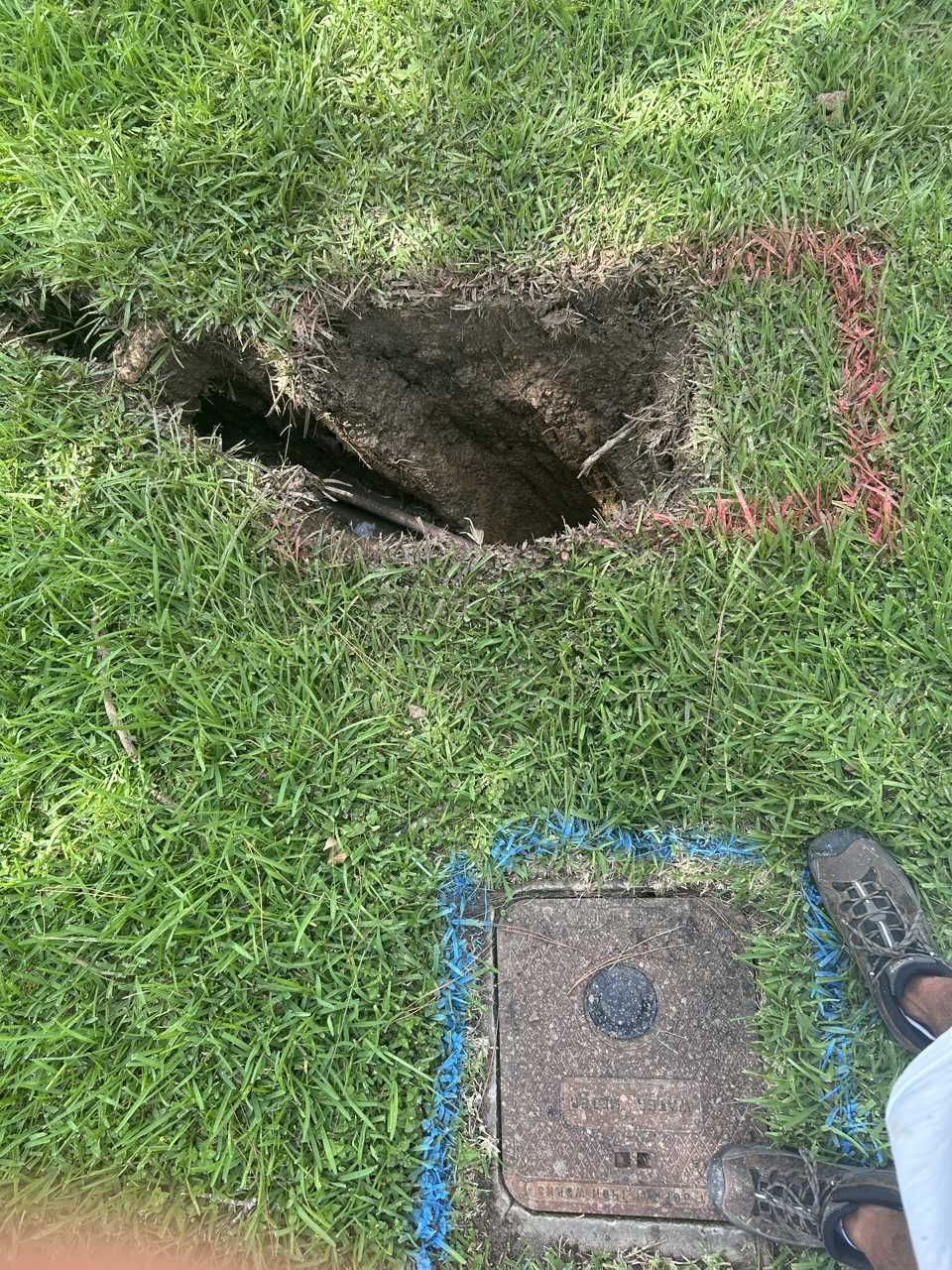
One of the most common questions contractors ask before excavation is:
"What does private utility locating cost?"
The answer depends on the site, the scope of work, and the level of investigation required.
A simple utility verification along a short trench route is very different from locating utilities across a congested commercial property with incomplete records, private infrastructure, and multiple utility crossings.
The more uncertainty underground, the more time is typically required to investigate the work area.
SiteTwin | Utility Locating Services
Before looking at pricing, it helps to understand what utility locating is actually designed to do: reduce excavation risk before trenching, directional boring, drilling, grading, or site work begins.
What Affects Utility Locating Costs?
The biggest factor affecting price is usually field conditions.
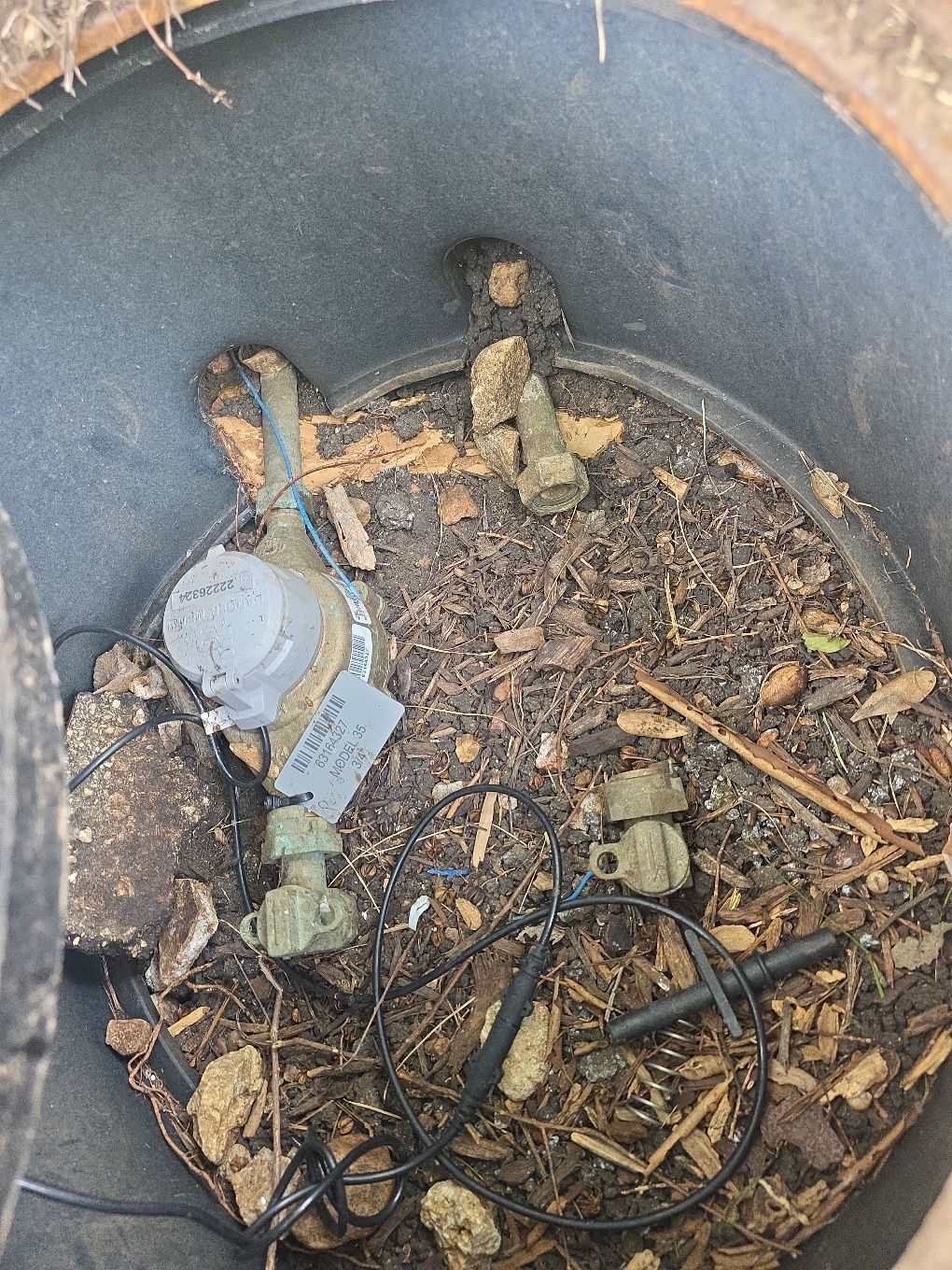
A straightforward excavation route across open ground requires less investigation than a commercial property with multiple buildings, utility corridors, parking lot lighting, irrigation, abandoned lines, and incomplete records.
Common pricing factors include:
- Site size
- Utility density
- Linear footage of trench or bore route
- Existing utility records
- Access limitations
- Active construction conditions
- Private utility congestion
- Same-day or emergency mobilization
- GPR scanning requirements
- Utility mapping deliverables
- Multiple work areas
The more complicated the underground environment, the more time is needed to locate and verify utilities.
Why Utility Density Matters
Not all jobsites have the same underground conditions.
A utility locate across a vacant property may involve only a few utility crossings.
A commercial shopping center, industrial facility, hospital campus, or office complex may contain:
- Private electrical systems
- Fire lines
- Irrigation
- Communication networks
- Fiber systems
- Multiple water services
- Abandoned utilities
- Tenant-installed infrastructure
The more utilities present, the more investigation is typically required. This often has a greater impact on cost than site size alone.
811 Does Not Replace Private Utility Locating
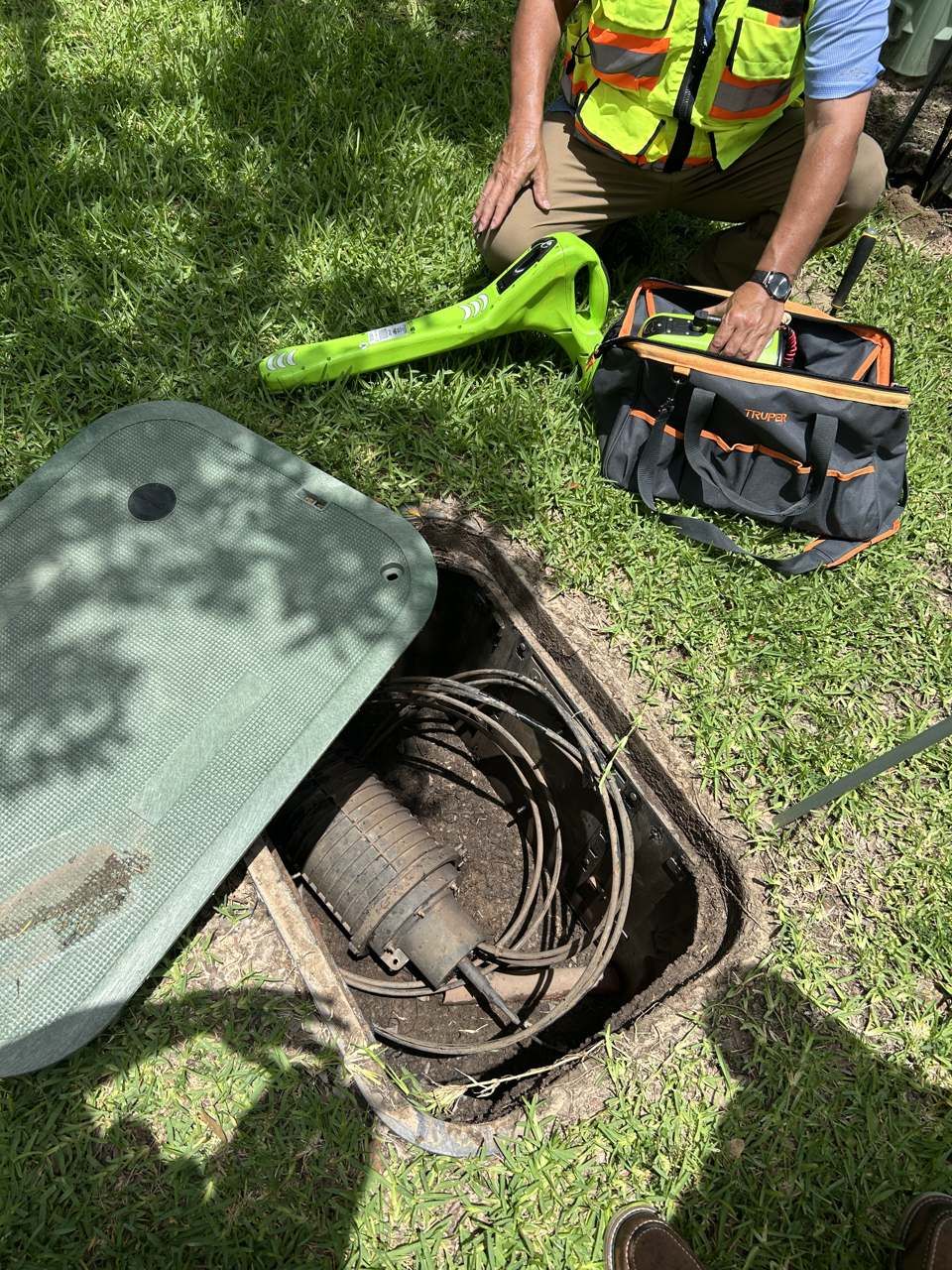
Many contractors are surprised to learn that calling 811 does not necessarily eliminate the need for private utility locating.
811 should still be contacted before excavation where required.
However, 811 is a public utility notification process. Utility owners typically mark infrastructure they own.
Private utilities may not be included.
These may include:
- Parking lot lighting
- Irrigation
- Private electric feeds
- Private gas lines
- Private water lines
- Fire lines
- Communication conduit
- Utilities between buildings
When excavation is planned on private property, contractors often use private utility locating to investigate utilities beyond public utility owner markings.
How GPR Scanning Can Affect Pricing
Ground penetrating radar is often used when additional subsurface investigation is needed.
SiteTwin | GPR Scanning Services
GPR scanning can help investigate buried targets, utility corridors, trench lines, abandoned infrastructure, and unknown anomalies within the work area.
Projects that require GPR scanning may involve additional field time because the technician must investigate, interpret, and document findings beyond traditional electromagnetic locating.
GPR has limitations. Soil conditions, moisture, clay content, depth, utility material, surface conditions, and utility congestion can affect detection. GPR should be viewed as a valuable investigation tool rather than a guarantee that every utility will be found.
Why Potholing May Be Necessary
Utility locating identifies the suspected path of underground utilities.
It does not physically expose them.
When excavation risk is high, potholing or daylighting should be used to verify utility depth, location, and type before mechanical excavation proceeds through a conflict area.
This is especially important for:
- Directional boring
- Deep trenching
- Utility tie-ins
- Gas crossings
- Power crossings
- Fiber crossings
- Congested utility corridors
Potholing may add project cost, but it can also prevent significantly larger expenses associated with utility strikes and emergency repairs.
SiteTwin performs private utility locating, GPR scanning, and underground utility investigations for contractors and property owners across Texas.
SiteTwin | Request A Locate
What Contractors Are Really Paying For
Contractors are not simply paying for paint marks.
They are paying for:
- Utility investigation
- Risk reduction
- Excavation planning
- Utility conflict identification
- Better field decisions
- Reduced downtime
- Utility strike prevention
- A single damaged utility can cost far more than the locate itself.
Emergency repairs, idle crews, schedule delays, utility outages, and restoration work often exceed the cost of a proper utility investigation.
That is why many contractors view utility locating as part of project planning rather than an optional expense.
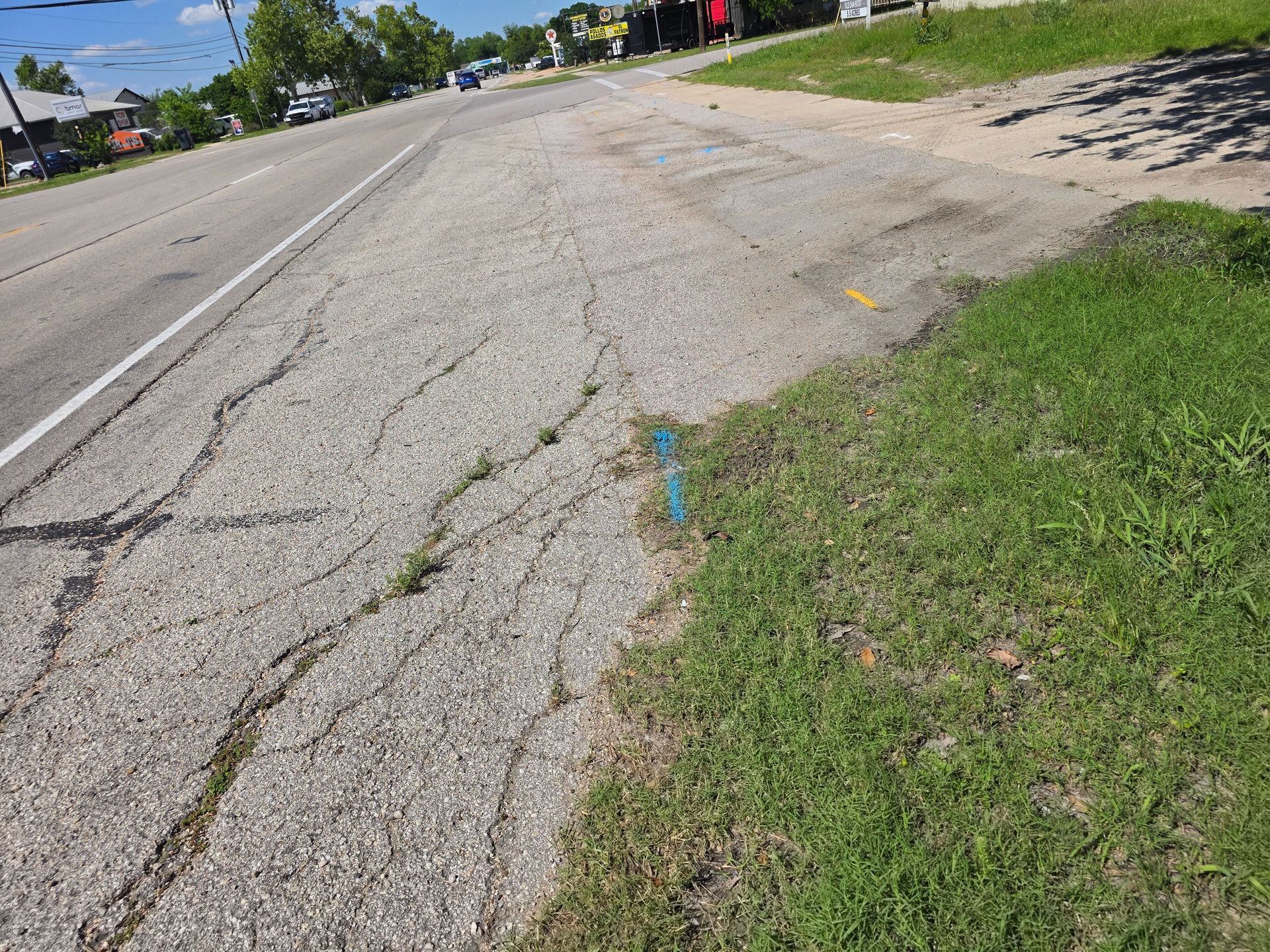
Across Texas, utility locating is commonly performed before excavation, trenching, directional boring, and utility construction.
Commercial properties, industrial facilities, schools, hospitals, retail centers, and private developments often contain utilities that may not be fully documented on available plans.
Utility locating helps contractors work from current field conditions before excavation begins.
FAQ Section
How much does private utility locating cost?
Smaller verification projects often start around $200 per hour with a 2-hour minimum. Half-day mobilizations commonly range from $995–$1,200, while larger projects may start around $1,800+ depending on scope.
What affects utility locating pricing?
Pricing is influenced by site size, utility density, access, urgency, records availability, GPR scanning requirements, and project complexity.
Does 811 replace private utility locating?
No. 811 should still be contacted where required, but private utilities on commercial or private property may require additional investigation.
Does GPR scanning increase project cost?
It can, because additional scanning and interpretation may be required. However, GPR often provides valuable information when traditional locating methods are limited.
Is potholing included in utility locating?
Not always. Potholing is a separate verification process used when utility depth and location must be physically confirmed before excavation.
Before excavation begins, understand what is underground and where the risks are.
A utility locate is often far less expensive than a utility strike.