What to Look for in a Utility Locating Company
Not all utility locating companies provide the same level of investigation.
For contractors, project managers, engineers, and property owners, selecting the right utility locating company can make a significant difference before excavation begins. A locate is often used to support trenching, directional boring, grading, utility installation, and site development activities where underground conflicts can impact schedule, safety, and budget.
The goal is not simply to get paint on the ground. The goal is to gather useful information that helps reduce excavation risk.
SiteTwin | Private Utility Locating
Before hiring a utility locating provider, there are several factors worth evaluating.

Look for Experience With Construction Projects
A locating company should understand how utilities affect construction operations.
Contractors need information that helps them make field decisions, not just basic utility markings.
Look for companies that regularly support:
- Excavation projects
- Directional boring
- Utility installations
- Site development
- Commercial construction
- Industrial facilities
- Infrastructure projects
- Renovations and redevelopment
- Experience with active construction environments often leads to better communication and more practical field recommendations.
Evaluate Their Investigation Methods
Utility locating should not rely on a single tool.
The most effective investigations often combine multiple methods depending on site conditions.
Look for a company that can perform:
- Records review
- Site inspections
- Electromagnetic locating
- Utility mapping
- GPR investigations
- Field documentation
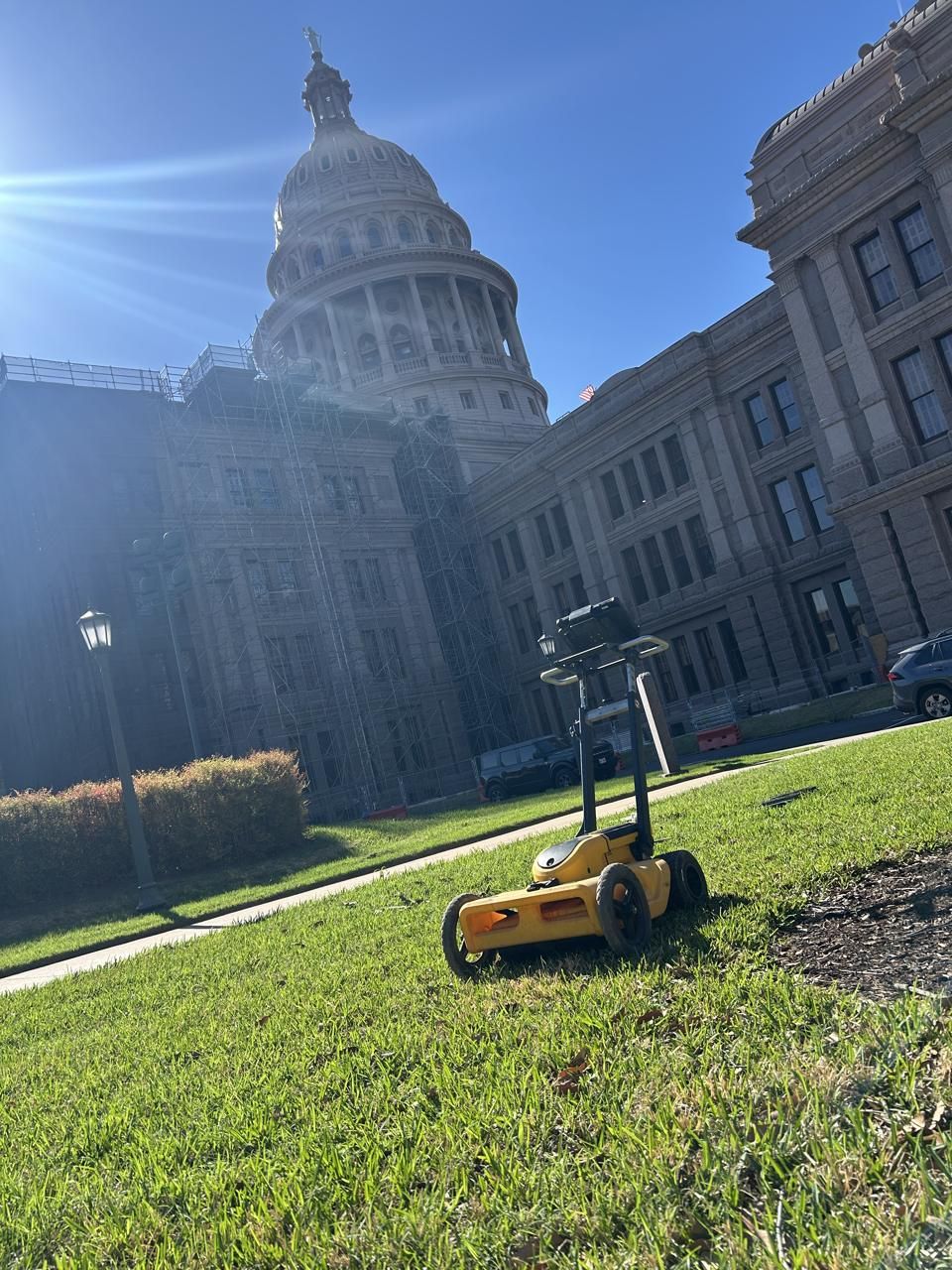
SiteTwin | GPR Scanning Services
Using multiple methods helps build a more complete understanding of underground conditions, especially when utility records are incomplete or private utilities are present.
Ask About Private Utility Experience
Many utility conflicts occur on private property.
Commercial sites, industrial facilities, schools, healthcare campuses, and multifamily developments often contain utilities that are not included in public utility records.
Examples include:
- Private electric systems
- Irrigation lines
- Fire lines
- Private water lines
- Communication conduit
- Parking lot lighting circuits
- Utilities between buildings
- A company that regularly performs private utility investigations is often better equipped to identify these types of systems.
Understand Their Approach to GPR
Many contractors specifically ask whether a locating company offers GPR.
The more important question is how GPR is used.
Ground penetrating radar can provide valuable information when utility records are incomplete, tracer wire is missing, or non-conductive utilities may be present.
However, GPR has limitations. Soil conditions, moisture, utility depth, surface conditions, utility material, and underground congestion can affect results. No reputable company should imply that GPR will identify every underground utility in every environment.
Look for a provider that clearly communicates both the benefits and limitations of the technology.
Need Utility Locating Before Excavation?
SiteTwin performs private utility locating, GPR scanning, and underground utility investigations for contractors and property owners across Texas.
SiteTwin | Request A Locate Today!
Ask About Documentation and Deliverables
Paint markings are important, but many projects require additional documentation.
Depending on the scope, useful deliverables may include:
- Utility paint markings
- Site photos
- PDF utility maps
- KMZ exports
- GIS-compatible utility mapping
- Conflict notes
- Potholing recommendations
- These records can help project managers, engineers, and field crews work from the same information throughout the project.
Make Sure They Discuss Potholing
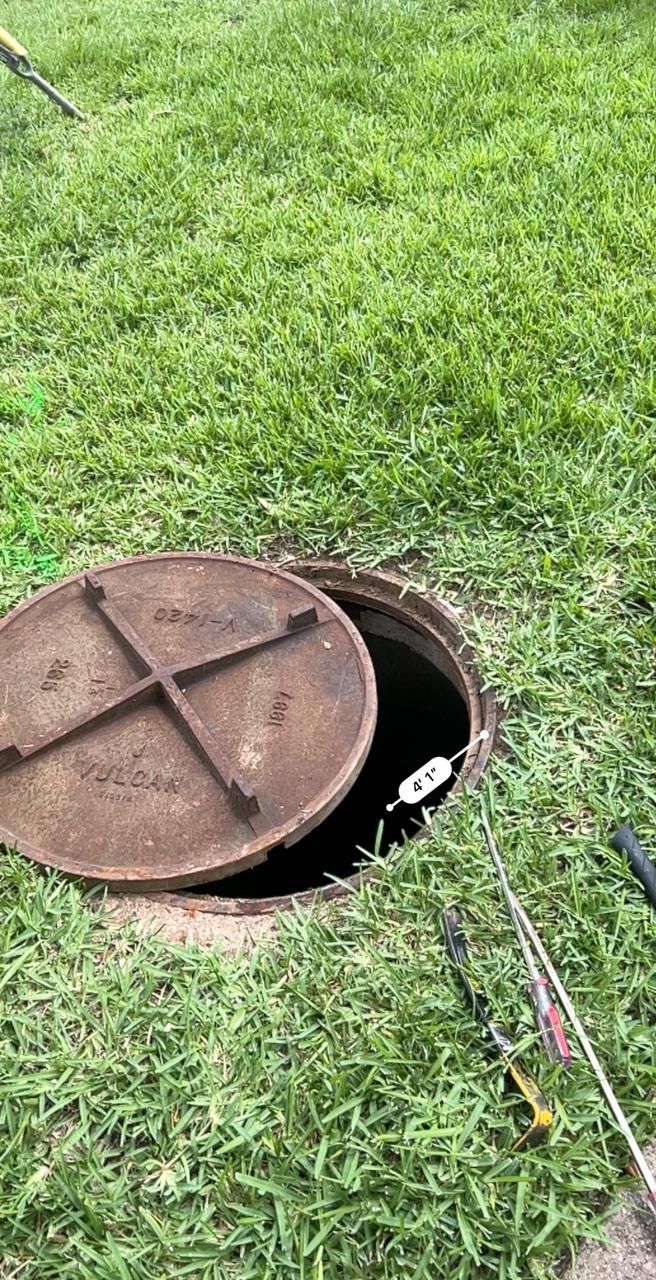
A quality utility locating company understands the difference between locating and verification.
Utility locating identifies the suspected path of a utility.
Potholing physically confirms utility depth, location, and type.
When excavation risk is high, potholing or daylighting should be recommended before mechanical excavation continues through a conflict area.
If a locating provider never discusses potholing, that should raise questions about how they approach excavation risk.
Communication Matters
One of the most overlooked factors is communication.
Contractors need clear answers about:
- What was located
- What could not be confirmed
- Areas with limited confidence
- Potential utility conflicts
- Recommended next steps
The best locating companies communicate findings honestly rather than creating a false sense of certainty.
Texas Utility Locating Projects
Across Texas, utility locating supports commercial construction, industrial work, infrastructure projects, directional boring, and excavation activities.
SiteTwin | Check Out Our Service Locations
As properties are expanded, renovated, and redeveloped, underground utility conditions often become more complex. Choosing a utility locating company with the right experience and investigation methods can help reduce uncertainty before excavation begins.
FAQ Section
What should I look for in a utility locating company?
Look for experience with construction projects, multiple locating methods, private utility expertise, documentation capabilities, and clear communication.
Do all utility locating companies offer GPR?
No. Some providers only perform electromagnetic locating. Others offer GPR as part of a broader utility investigation.
Can a utility locating company guarantee all utilities will be found?
No. Underground investigations have limitations. A reputable company should clearly communicate those limitations and recommend verification where needed.
Why is private utility locating important?
Many commercial and industrial properties contain utilities that may not be included in public utility records or 811 markings.
Should a utility locating company recommend potholing?
Yes. When excavation risk is high, potholing should be used to physically verify utility depth, location, and type.
Choosing the right utility locating company is about more than finding a provider with equipment.
Look for a team that understands excavation risk, communicates clearly, and provides useful field information before digging begins.