
How to Identify Utility Lines on Private Property Before Excavation
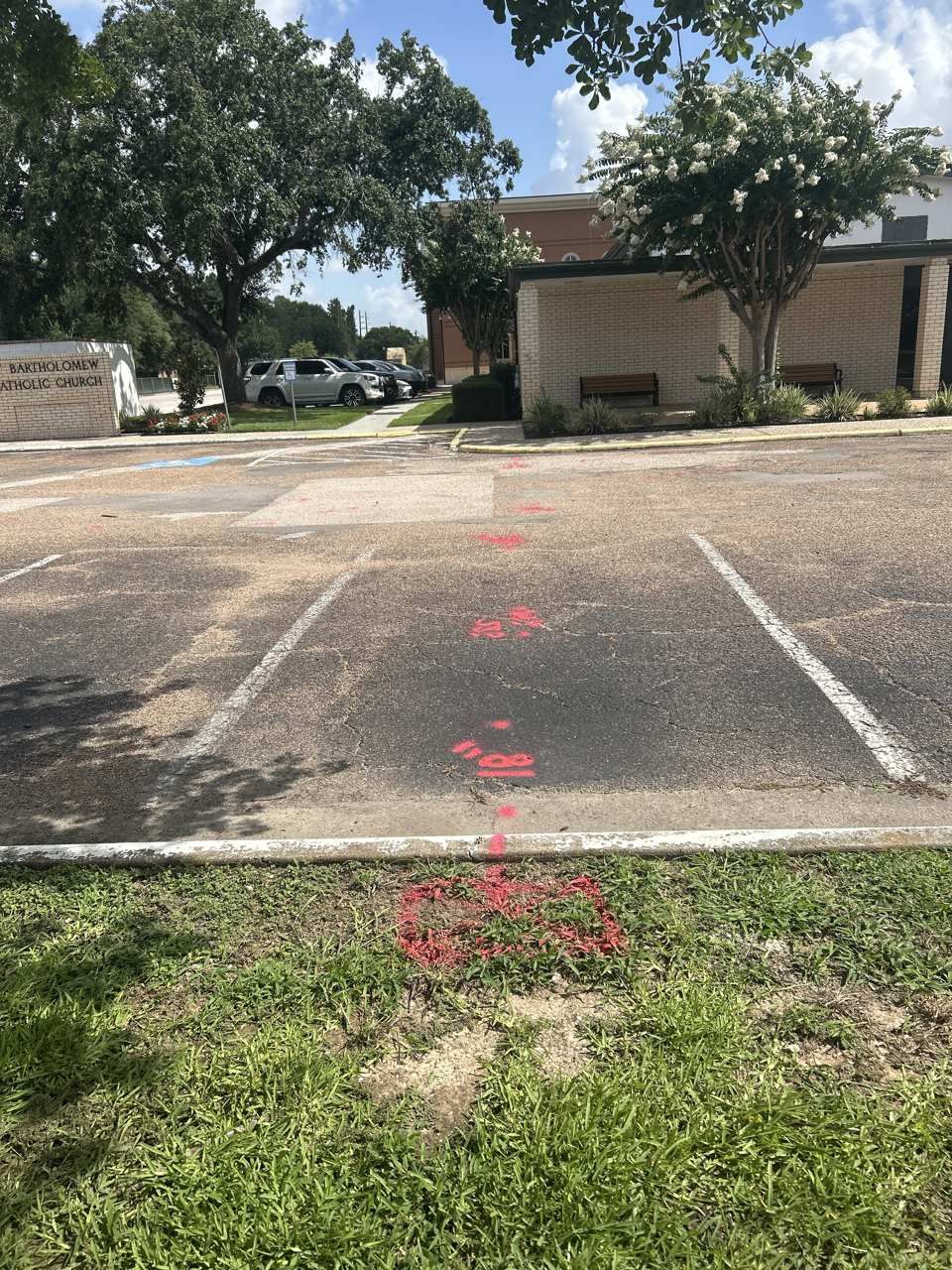
Utility lines on private property are not always marked, mapped, or easy to identify. A contractor may be trenching across a parking lot, boring under a drive lane, installing signs, repairing drainage, cutting pavement, or excavating near a building. The public utility marks may be complete, but private utilities can still be sitting directly in the work area.
That is where private utility locating becomes important. Knowing how to identify underground utilities on private property before excavation is what keeps a routine dig from turning into a strike.
SiteTwin | Utility Locating Services
Private properties often contain owner-installed utilities that were added after original construction. These lines may not appear on current drawings, and they may not be marked through the public 811 process.
A missed utility can stop the job immediately. Crews may be left dealing with broken water lines, damaged communication cables, power interruptions, emergency repairs, tenant complaints, and schedule delays.
Start With 811, But Understand Its Limits
811 should still be contacted before excavation where required. It is the standard public utility notification process. Utility owners are notified so they can mark infrastructure they own near the proposed excavation area.
But 811 is not a full private utility investigation. Public utility owners typically mark only the lines they own. On private property, many utilities may belong to the property owner, tenant, facility, developer, or contractor. Those lines may not be marked by 811.
Private utilities may include:
- Parking lot lighting circuits
- Irrigation lines
- Private water lines
- Private gas lines
- Fire lines
- Communication conduit
- Fiber lines
- Secondary electric feeds
- Security gate power
- Storm drain laterals
- Sanitary sewer laterals
- Utilities between buildings
- Abandoned utilities left underground
That does not mean 811 failed. It means 811 and private utility locating cover different responsibilities. Contractors should use both when private utilities may be present.
Review Plans, As-Builts, and Site Records
The next step is to gather any records available. Useful documents may include civil plans, utility drawings, as-builts, irrigation plans, electrical drawings, plumbing records, site maps, previous locate reports, and owner markups. These records help the locating technician understand what may be underground.
But plans should not be treated as final proof. Private properties change over time. Parking lots get expanded. Buildings get remodeled. Tenants add utilities. Irrigation is modified. Fire lines are repaired. Communication lines are pulled through new conduit. Old lines are abandoned instead of removed.
The drawing may show what was installed years ago. The field may show something different today.
Walk the Property to Identify Utility Lines
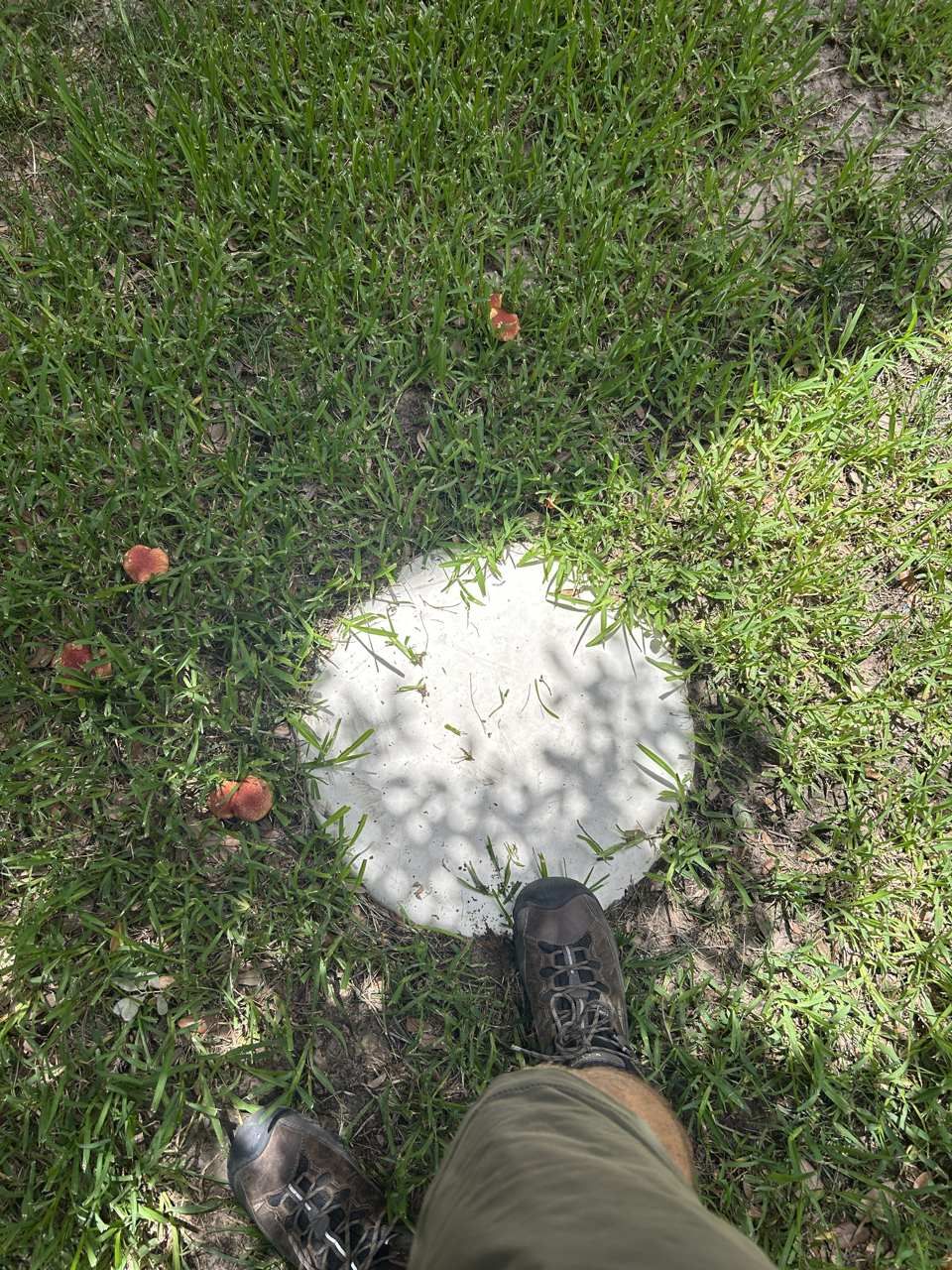
A field walk is one of the most important parts of identifying private utility lines. Technicians look for surface clues that point to underground routes.
Common clues include:
- Manholes
- Valve boxes
- Water meters
- Backflow preventers
- Clanouts
- Transformers
- Meter banks
- Handholes
- Pull boxes
- Light poles
- Irrigation controls
- Building penetrations
- Pavement patches
- Trench scars
- Utility warning signs
These features help build the utility picture. For example, a row of parking lot light poles may indicate private electric conduit. A pavement patch may follow an old trench. A cleanout may show the direction of a sanitary lateral. A transformer may point to secondary power running toward the building. A good utility investigation starts by reading the site.
Use EM Locating for Conductive Utilities
Electromagnetic locating, or EM locating, is commonly used to trace conductive utilities. A technician may connect directly to a utility, clamp onto a cable or conduit, induce a signal from the surface, or use passive methods to detect certain energized or metallic lines.
EM locating can help identify:
- Electric lines
- Metallic water lines
- Communication lines with tracer wire
- Gas lines with tracer wire
- Metallic conduits
- Some private utility corridors
EM locating works best when the utility is conductive, accessible, and able to carry a signal. It has limits. Non-conductive pipe, missing tracer wire, broken tracer wire, poor grounding, inaccessible connection points, signal bleed, and utility congestion can all make EM locating harder. That is why many private utility investigations also use GPR scanning.
Use GPR Scanning for Unknown or Non-Conductive Targets
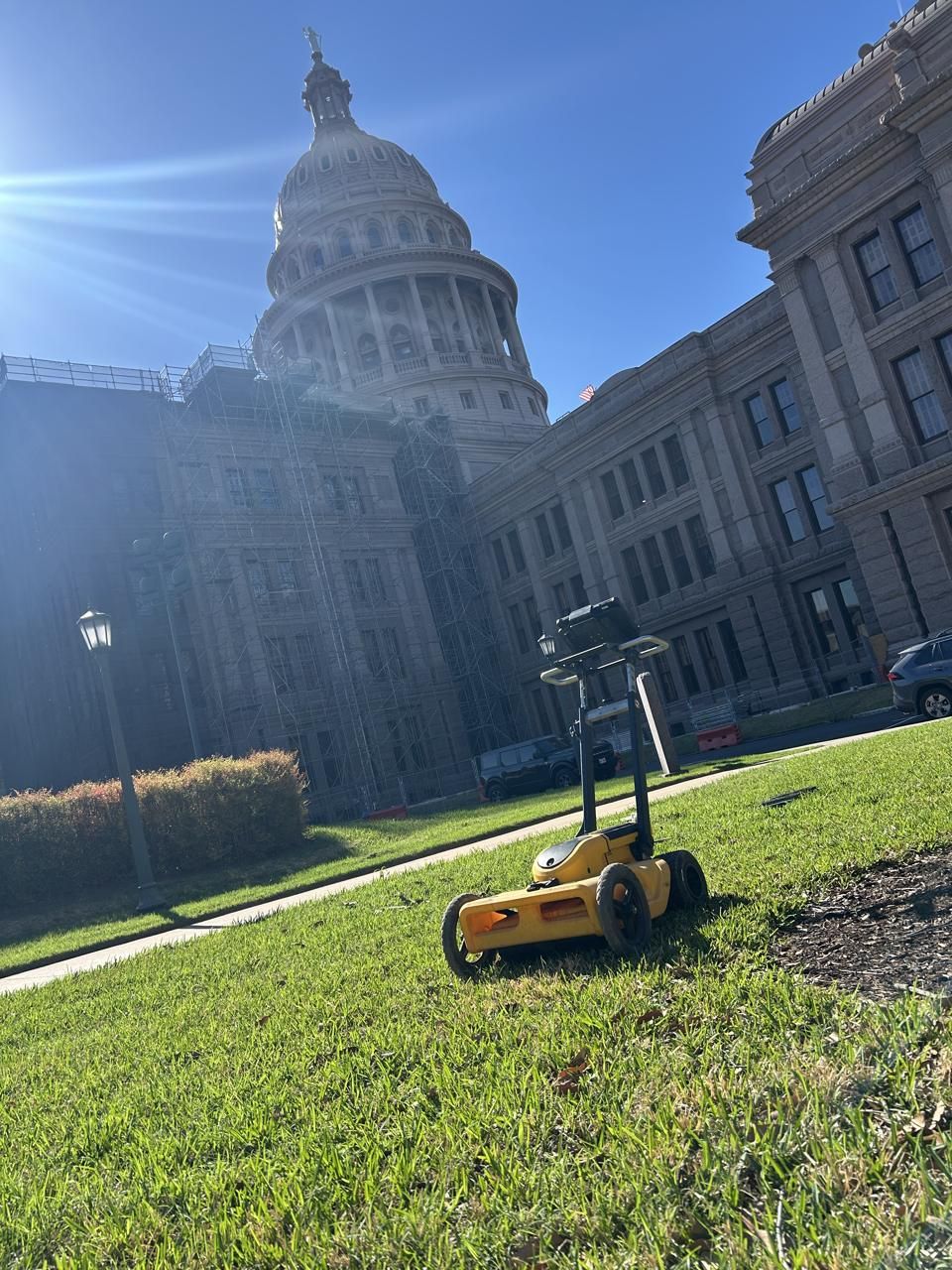
Ground penetrating radar can help investigate subsurface features that may not be traceable with EM locating alone.
SiteTwin | GPR Scanning Services
GPR scanning may identify buried targets, utility corridors, trench lines, abandoned utilities, voids, and other anomalies within the scan area. It is useful when records are incomplete, the utility is non-conductive, tracer wire is missing, or the excavation route crosses an unknown area.
GPR has limitations. Soil type, moisture, clay content, depth, surface conditions, debris, pipe material, and nearby interference can affect what can be detected. GPR does not guarantee that every underground utility will be found. The best results usually come from combining records review, visual inspection, EM locating, GPR scanning, and field experience.
Mark Known and Suspected Utility Lines
Once utilities or possible targets are identified, they should be marked clearly in the field. Depending on the site, markings may include paint, flags, stakes, labels, photos, or field notes.
The marks should help the crew understand:
- Known utility paths
- Suspected utility paths
- Unknown targets
- Conflict areas
- Abandoned utility routes
- Areas with limited confidence
- Areas needing potholing
- Clear communication matters.
Clear communication matters. A confirmed utility is different from a suspected GPR target. A poor signal area is different from a clean trace. The excavation crew needs to understand where the risk is before work begins.
Need to identify private utilities before excavation?
SiteTwin performs private utility locating, GPR scanning, and underground utility investigations for contractors and property owners across Texas. Request a locate.
Verify High-Risk Conflicts With Potholing
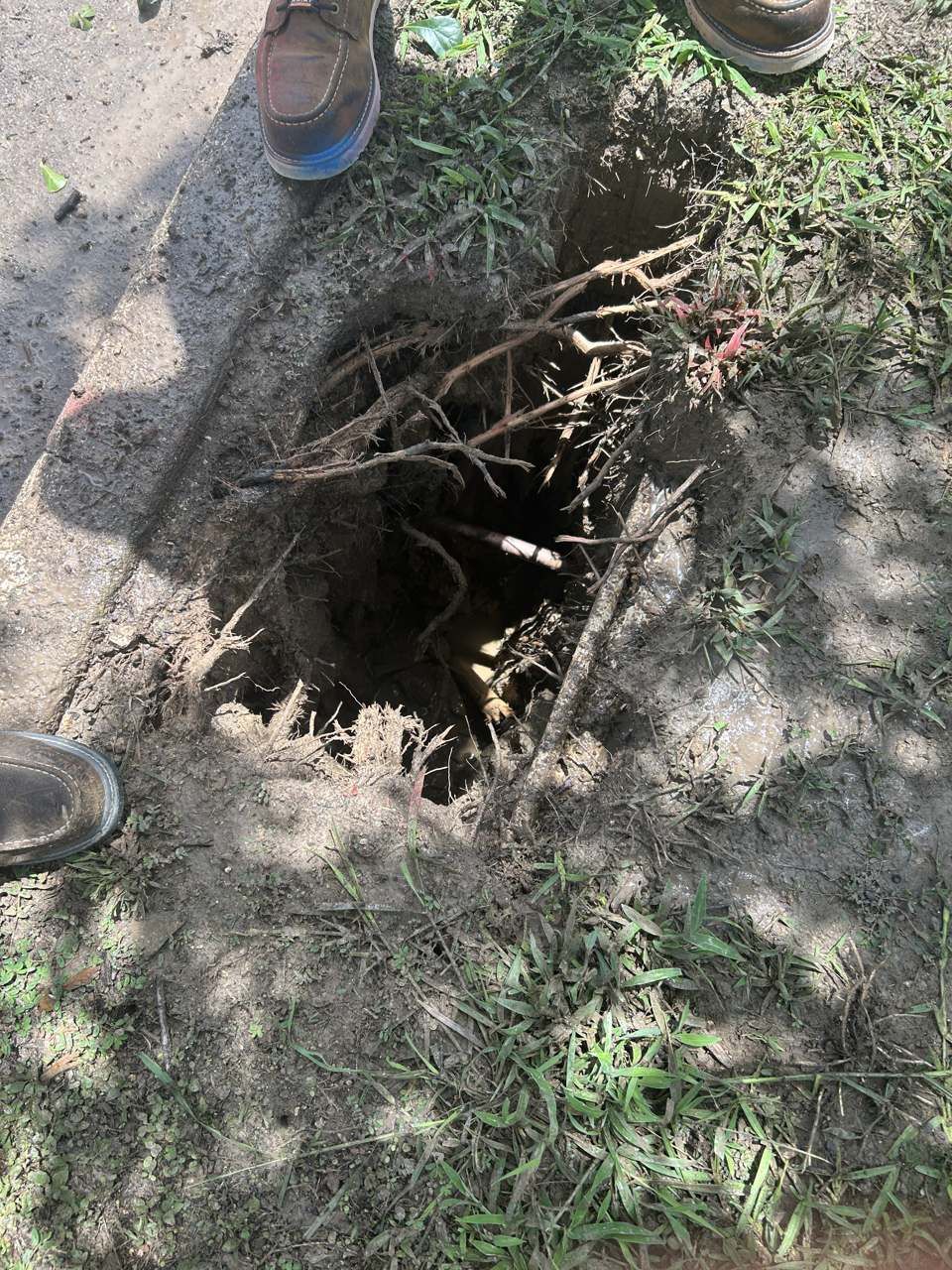
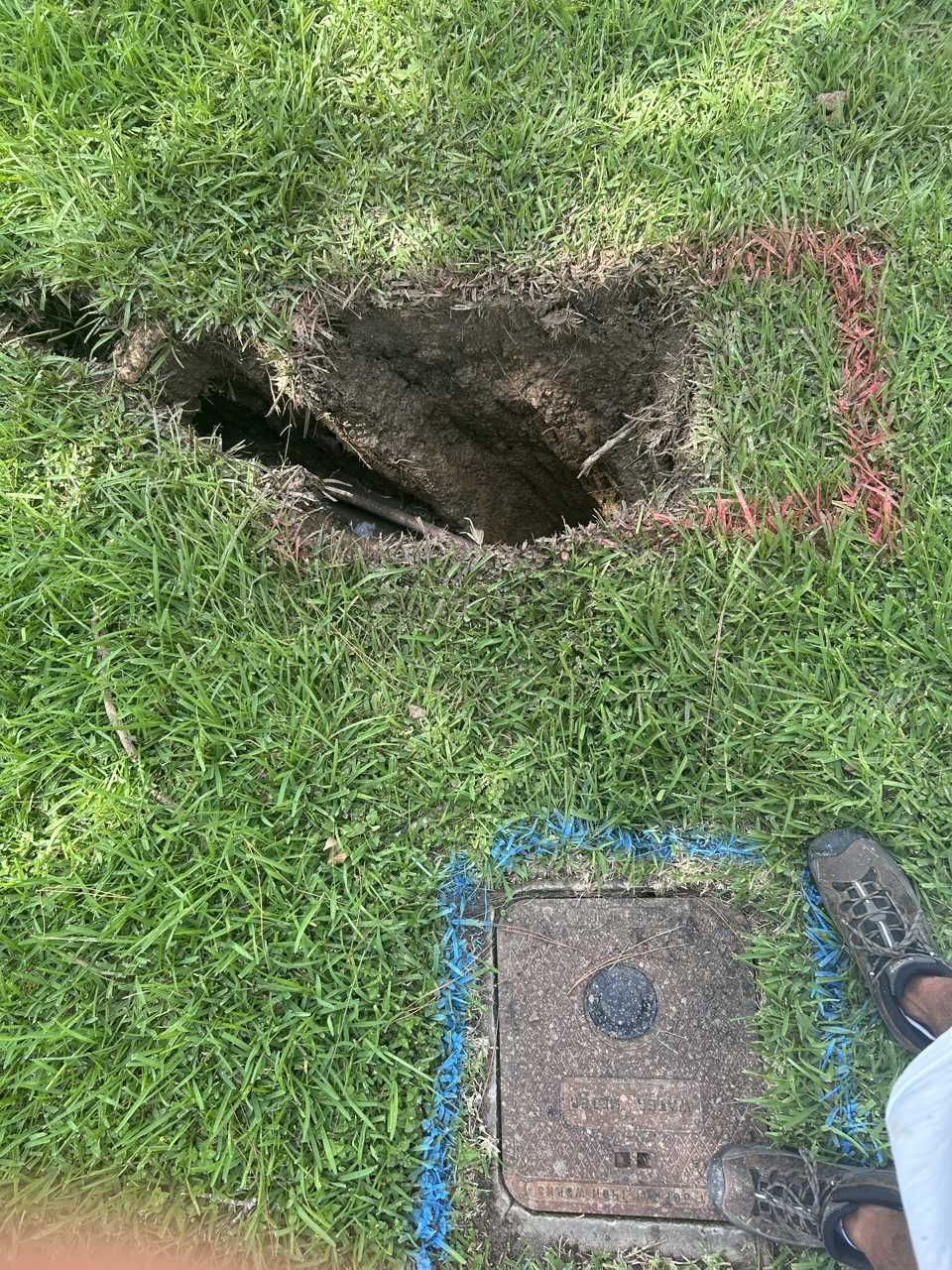
Utility locating reduces risk, but it does not replace physical verification. When excavation risk is high, potholing or daylighting should be used to confirm utility depth, location, and type before mechanical excavation continues through a conflict area.
This is especially important before directional boring, deep trenching, utility tie-ins, work near gas or power, fiber crossings, and excavation in congested corridors.
A paint mark shows the suspected horizontal path. Potholing confirms what is actually underground. Utilities may be shallower than expected, deeper than shown, offset from the mark, abandoned, active, or bundled with other lines. Physical verification gives the crew better information before the bucket or bore head moves through the conflict.
Document the Locate
Some jobs only need paint marks onsite. Other projects need documentation for project managers, engineers, owners, or subcontractors. Depending on the scope, SiteTwin may provide:
- Utility paint markings
- Site photos
- Field sketches
- PDF utility maps
- KMZ exports
- GIS-compatible utility mapping
- Conflict notes
- Potholing recommendations
Documentation helps when excavation happens after the locating crew leaves or when multiple crews need the same information.
Private Utility Locating in Texas
Private utility locating is common across Texas because commercial and private properties are often expanded, repaired, repaved, and remodeled over time.
SiteTwin | Houstin Locating Services
SiteTwin | Dallas Locating Services
SiteTwin | Austin Locating Services
SiteTwin | Fort Worth Locating Services
SiteTwin | San Antonio Locating Services
In markets like Houston, Dallas, Austin, San Antonio, and Fort Worth, property records may not reflect every private line installed over the years. A utility investigation helps crews work from field conditions instead of assumptions.
Identifying Private Utility Lines FAQ
Does 811 identify utilities on private property?
811 should be contacted before excavation where required, but it usually does not identify every private utility. Owner-installed lines, site lighting, irrigation, private water, private gas, and communication lines may require private utility locating.
How do you identify underground utilities on private property?
Utilities are identified using records review, site inspection, EM locating, GPR scanning, field markings, and potholing when physical verification is needed.
Can GPR find all underground utilities?
No. GPR cannot find every utility in every condition. Soil, moisture, depth, surface conditions, utility material, and congestion can affect results.
When is potholing needed?
Potholing is needed when a utility conflict is high risk or must be physically verified before excavation, trenching, or boring continues.
Related SiteTwin Guides
How to locate private utility lines
Underground utility locating methods
Line locating methods explained
Don't Assume Private Property Is Clear
Do not assume private property is clear because public marks are complete. Before trenching, boring, cutting, or excavating, get the work area investigated, marked, and documented.