
What Is Potholing? A Guide to Daylighting Utilities
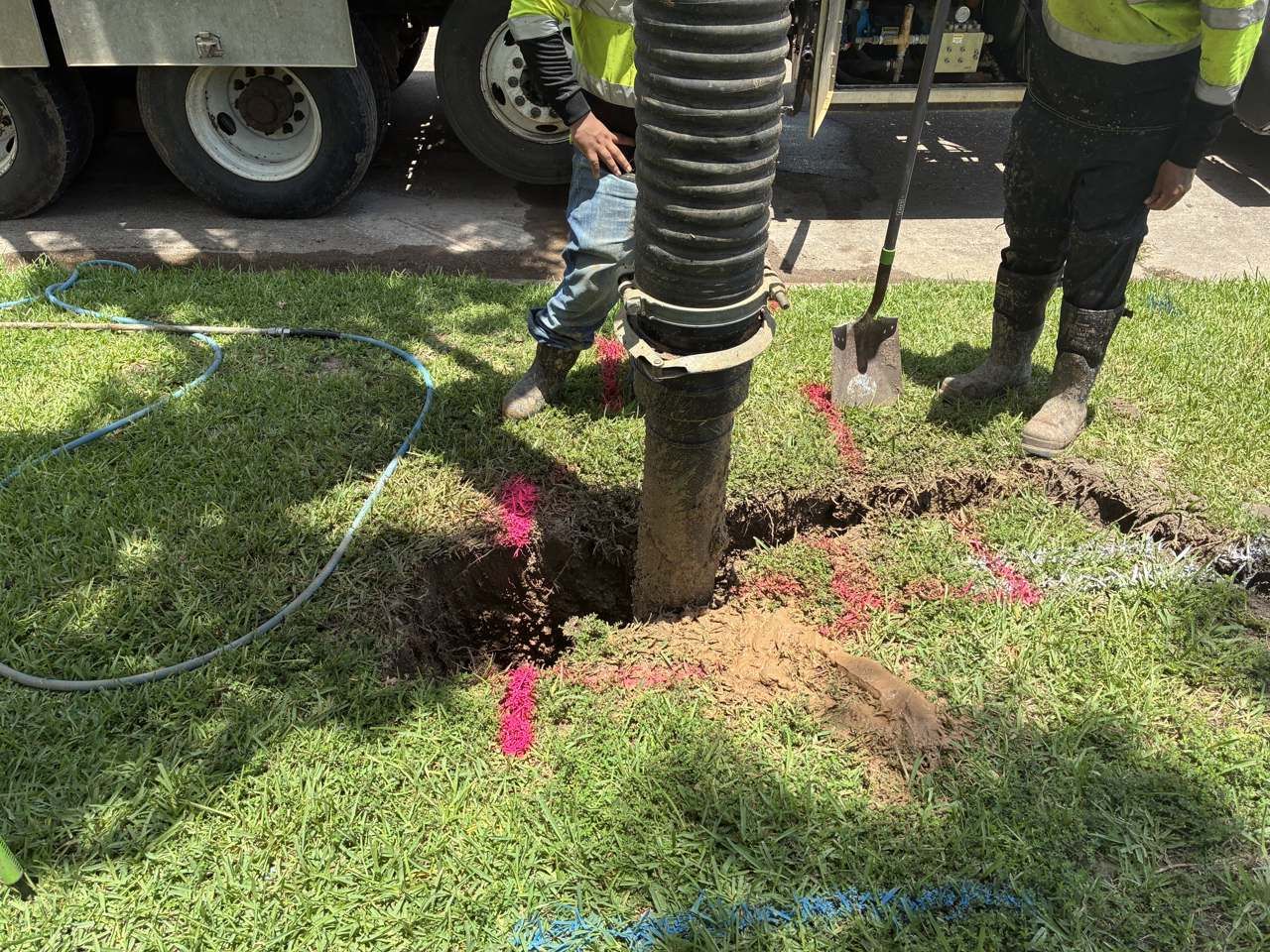
Utility locating tells a crew where a line probably runs. Potholing tells them where it actually is. On a job with a directional bore, a deep trench, or a tie-in near a gas or power line, that difference is what keeps a marked line from becoming a struck line.
Potholing, also called daylighting, is the process of safely exposing a buried utility so its depth, position, and type can be confirmed before mechanical excavation continues. It is the physical verification step that a paint mark alone cannot provide.
SiteTwin | Utility Locating Services
What Is Potholing (Daylighting)?
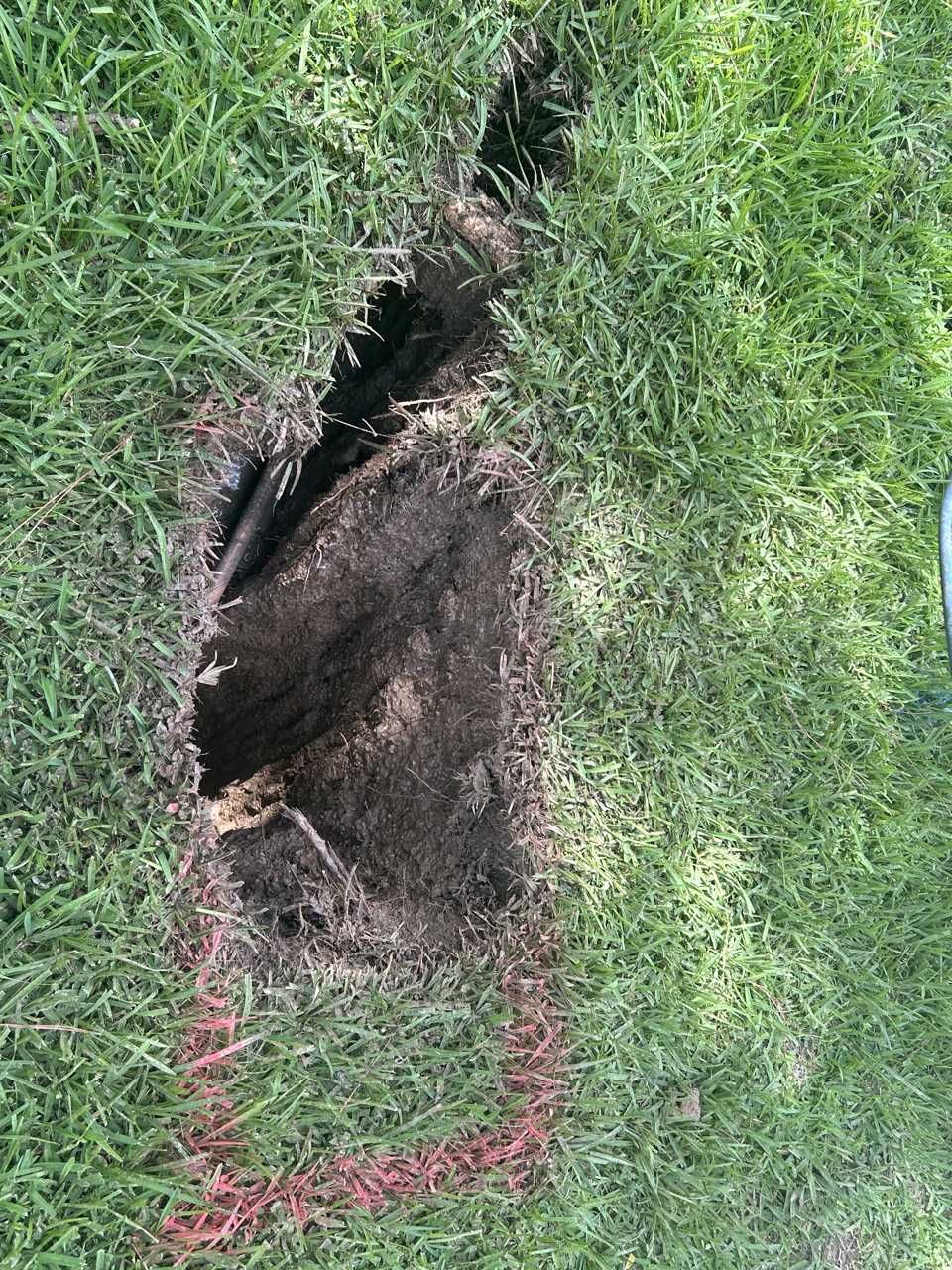
Potholing is the practice of digging a small, controlled hole to physically expose an underground utility. Because the line is brought up into daylight where the crew can see it, the process is also called daylighting.
The pothole confirms three things a surface mark cannot:
- The exact depth of the utility
- exact horizontal position
- The type, size, and material of the line
A paint mark shows a suspected horizontal path. A pothole shows the real utility, in place, so the excavation crew can plan around it with confidence.
Potholing vs. Utility Locating
Potholing and utility locating are two different steps, and one does not replace the other.
Utility locating uses electromagnetic locating and GPR scanning to identify and mark the suspected path of a utility across the surface. It is non-destructive and covers a wide area quickly, but it produces an estimate, not a measurement. Depth readings in particular can be affected by soil conditions, signal quality, and utility material.
Potholing physically exposes the line to verify what the locate suggested. Locating narrows down where to dig carefully. Potholing confirms it. On high-risk work, contractors use both.
Not every locate requires potholing. It is used when the cost of a strike is high or when the marks and the plans do not agree. Potholing is especially important before:
- Directional boring at utility crossings
- Deep trenching or deep excavation
- Utility tie-ins
- Work near gas, power, or fiber
- Water main and force main conflicts
- Congested utility corridors
- Areas where locate marks and record drawings disagree
- Any location marked as an unknown or low-confidence target
A utility may be shallower than expected, deeper than the plans show, offset from the mark, abandoned, still active, or crossing the trench at an angle. Potholing removes that uncertainty before the bucket or bore head reaches it.
How Potholing Is Done
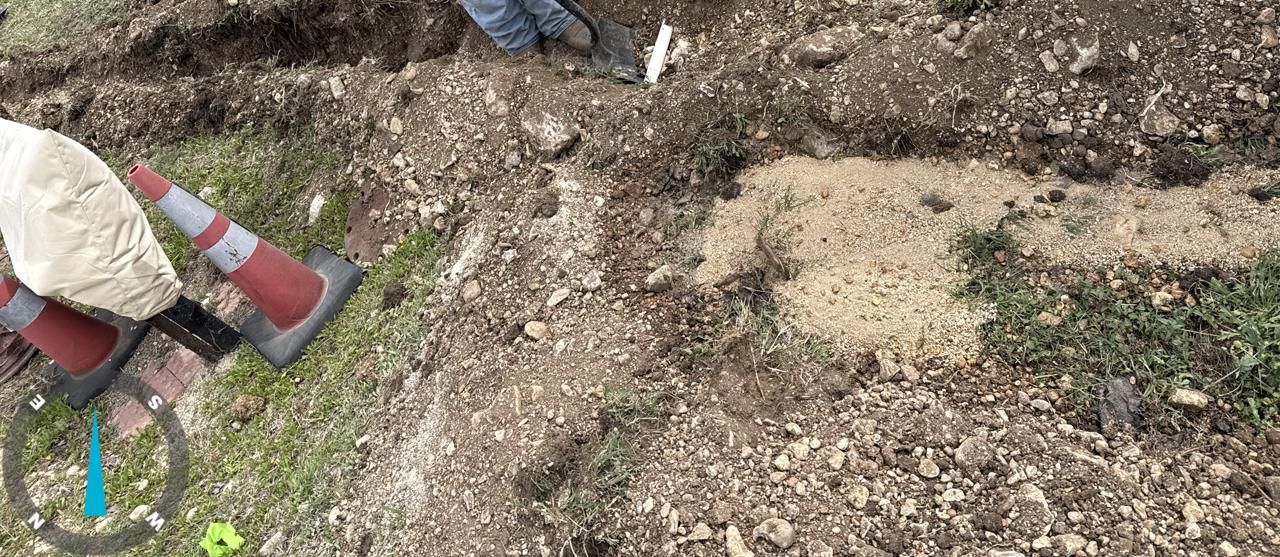
Potholing has to expose the utility without damaging it, so the digging method matters. Common approaches include:
- Vacuum excavation - air or water is used to break up soil, and a vacuum removes the spoil, exposing the line with minimal risk of contact.
- Hydro excavation - a pressurized water stream loosens the soil, which is then vacuumed out.
- Careful hand digging - used in tight or sensitive areas where mechanical methods are not appropriate.
Whatever the method, the goal is the same: bring the utility into view so the crew can measure its depth and position, then document the finding before backfilling or continuing excavation.
What Potholing Confirms
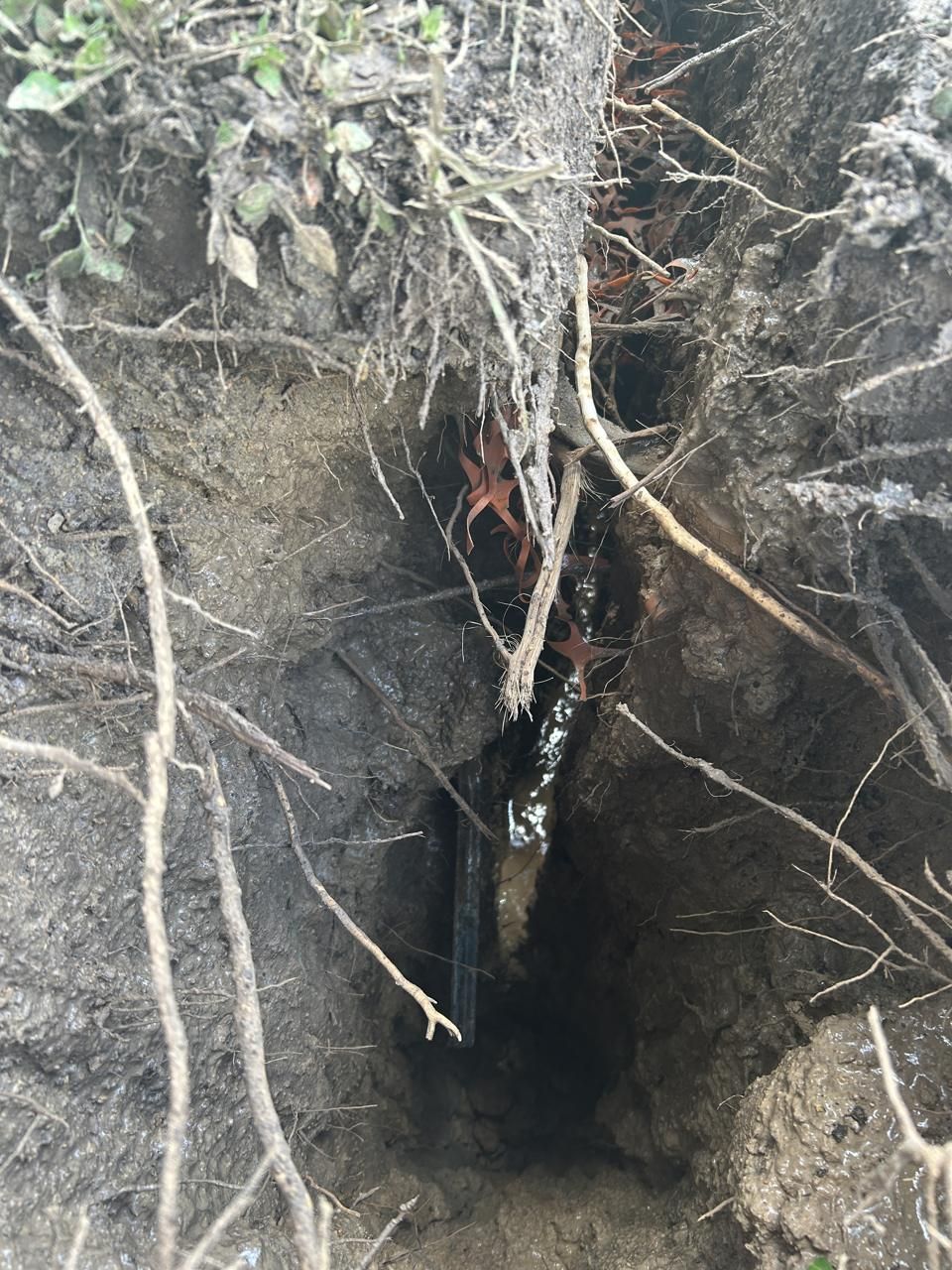
Once the line is exposed, the crew can record the information the rest of the job depends on: verified depth, verified horizontal location, pipe or conduit type, size, material, and condition. That verified data can then be added to the field markings and any utility map or as-built so every trade works from the same numbers.
This is where potholing earns its cost. Relocating a bore path or a core hole around a verified utility is inexpensive. Repairing a struck gas, fiber, or water line - and absorbing the downtime, outages, and safety exposure that come with it - is not.
Potholing and Directional Boring
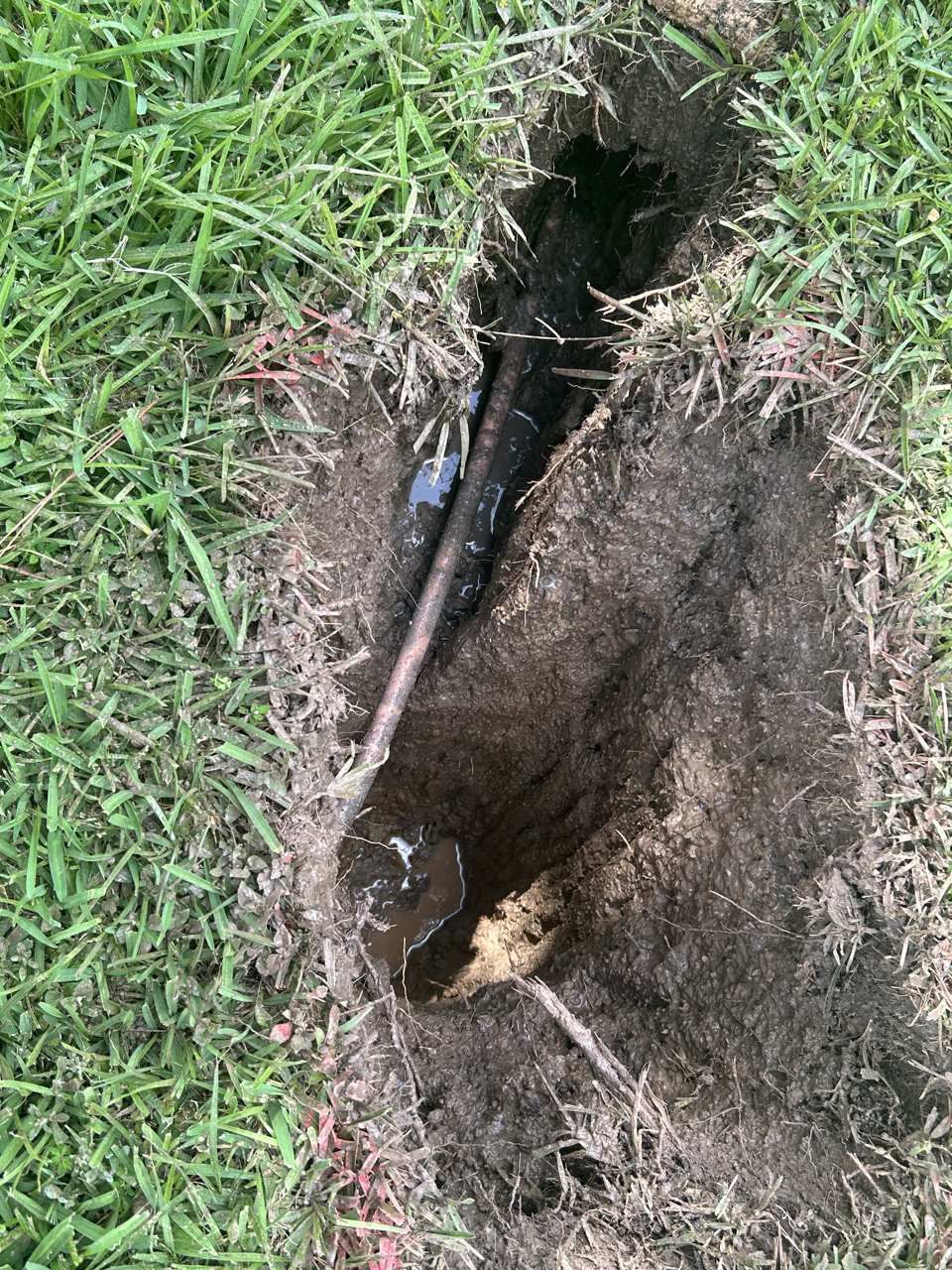
Directional boring carries a specific risk: the bore head travels underground where the operator cannot see each crossing. A locate mark helps plan the bore, but it does not confirm the depth of the line the bore has to pass under or over.
Potholing the critical crossings gives the boring crew a verified depth at each conflict point, so the bore can be set to clear the utility rather than assume clearance. On congested commercial sites, this step is often the difference between a clean bore and an emergency repair.
Potholing Across Texas
SiteTwin performs utility locating, GPR scanning, and potholing coordination for contractors and property owners across Texas, including:
Houston
Dallas
Austin
Fort Worth
San Antonio
Many Texas commercial and industrial sites have been expanded, repaved, and repaired over the years, so field conditions do not always match the drawings. Potholing verifies the high-risk crossings before excavation begins. You can also view our service locations.
Potholing FAQ
What is potholing?
Potholing, also called daylighting, is the process of digging a small controlled hole to physically expose a buried utility and confirm its depth, location, and type before mechanical excavation continues.
What is the difference between potholing and daylighting?
They refer to the same thing. "Daylighting" describes bringing the utility up into view; "potholing" describes the small hole dug to do it.
Does potholing replace utility locating?
No. Utility locating identifies and marks the suspected path of a utility. Potholing physically verifies it. High-risk work typically uses both.
When should contractors pothole a utility?
Potholing is recommended when excavation risk is high or a conflict must be verified - for example before directional boring, deep trenching, utility tie-ins, or work near gas, power, or fiber.
How is potholing performed?
It is commonly done with vacuum or hydro excavation, which uses air or water to loosen soil and a vacuum to remove it, exposing the utility with minimal risk of damage. Careful hand digging may be used in sensitive areas.
Verify the Conflict Before You Dig
A locate tells you where to be careful. Potholing tells you exactly what is there. Before trenching, boring, or coring through a high-risk crossing, get the utility located, marked, and verified. Send the address and scope for review - same-day and next-day mobilization is available in many Texas markets.
SiteTwin | Request a Locate Today