
When Contractors Need Concrete Scanning Services
Cutting or drilling into concrete without knowing what is inside the slab can create serious problems. A contractor may be preparing to core a hole, saw cut a trench, install anchors, relocate plumbing, run electrical conduit, or place new equipment. What cannot be seen from the surface may include post-tension cables, rebar, conduits, embedded utilities, or other structural elements.
That is why contractors use concrete scanning services before concrete cutting, coring, drilling, or anchoring begins.
Concrete scanning helps identify potential conflicts so crews can make better decisions before damaging critical components inside the slab.
What Is Concrete Scanning?
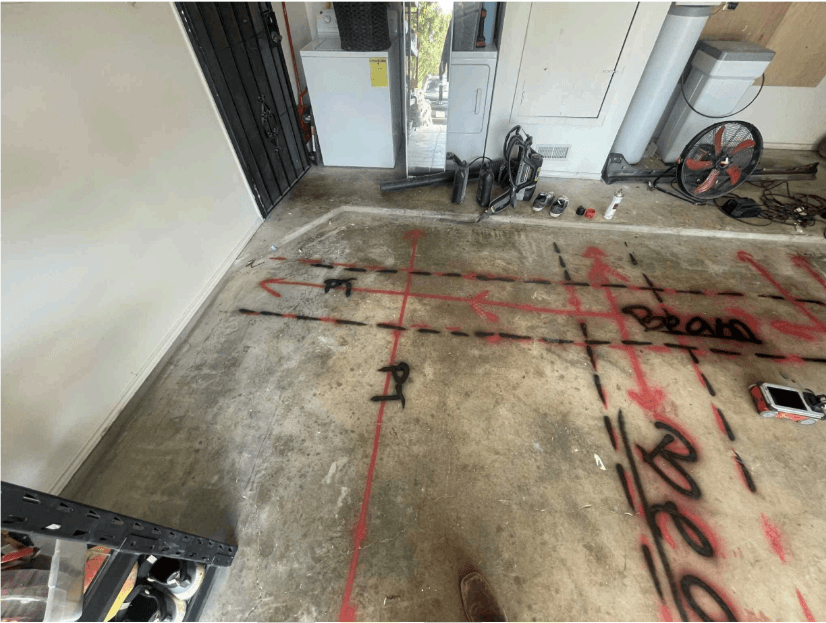
Concrete scanning is the process of investigating concrete slabs, walls, decks, and structural elements before penetration work occurs.
Ground penetrating radar (GPR) is commonly used to identify embedded objects within the scan area.
Concrete scanning may help identify:
- Rebar
- Post-tension cables
- Electrical conduit
- Plumbing lines
- Utility sleeves
- Embedded utilities
- Structural reinforcement
- Unknown objects
- The goal is not simply to locate obstructions.
The goal is not simply to locate obstructions. The goal is to help contractors avoid damaging critical infrastructure during construction, renovation, or maintenance work. It can also help locate voids under concrete before coring or cutting.
When Contractors Typically Need Concrete Scanning
Concrete scanning is commonly performed before:
- Core drilling
- Saw cutting
- Slab trenching
- Anchor installation
- Equipment installation
- Plumbing modifications
- Electrical upgrades
- Mechanical upgrades
- Tenant improvements
- Building renovations
Many contractors schedule scanning immediately before cutting or drilling because project layouts often change throughout construction. A small adjustment in core location can make the difference between a clean penetration and a damaged conduit or post-tension tendon.
Post-Tension Slabs Require Extra Caution
One of the most common reasons contractors request concrete scanning is to investigate post-tension slabs.
Post-tension systems use high-strength steel tendons placed inside the concrete.
Damaging one of these tendons can create:
- Safety hazards
- Structural concerns
- Expensive repairs
- Project delays
- Engineering review requirements
Because post-tension cables are under tension, accidental damage can create risks that extend far beyond a simple repair. Before coring, drilling, trenching, or saw cutting in a post-tension slab, scanning is typically considered a critical step.
Why Drawings Are Not Enough
Many contractors receive structural drawings before work begins. While those drawings are valuable, they should not be treated as a guarantee of current conditions. Buildings often undergo renovations, tenant improvements, utility upgrades, and modifications after original construction.
Over time, new conduits, sleeves, plumbing lines, and embedded systems may be added. Field conditions do not always match the original plans. That is why contractors frequently use concrete scanning even when drawings are available. The scan provides current field information before work begins.
How GPR Is Used for Concrete Scanning
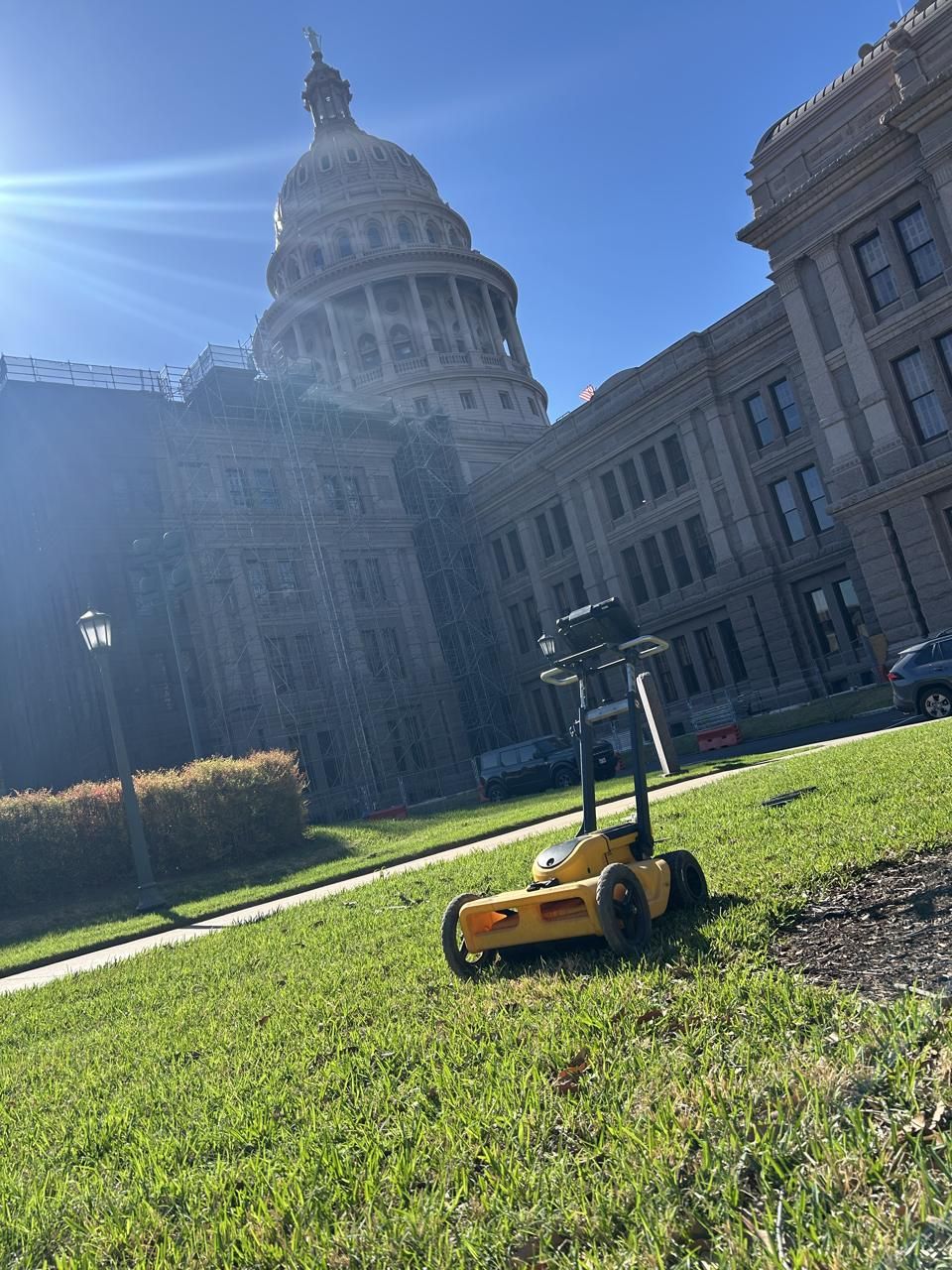
Ground penetrating radar is one of the most common technologies used for concrete investigations.
The equipment sends radar signals into the concrete and analyzes reflections from embedded objects. This information can help identify potential conflicts within the scan area. GPR scanning is widely used because it is non-destructive and can often provide immediate results onsite.
However, GPR has limitations. Slab thickness, reinforcement density, moisture, access conditions, target depth, and embedded materials can affect results. GPR should not be viewed as a guarantee that every object inside the concrete will be identified. A qualified investigation includes proper scanning procedures, field interpretation, and communication with the contractor.
Planning concrete cutting or coring? SiteTwin performs concrete scanning, GPR scanning, and utility investigations for contractors and property owners across Texas. Request a concrete scan.
Concrete Scanning for Commercial Porjects
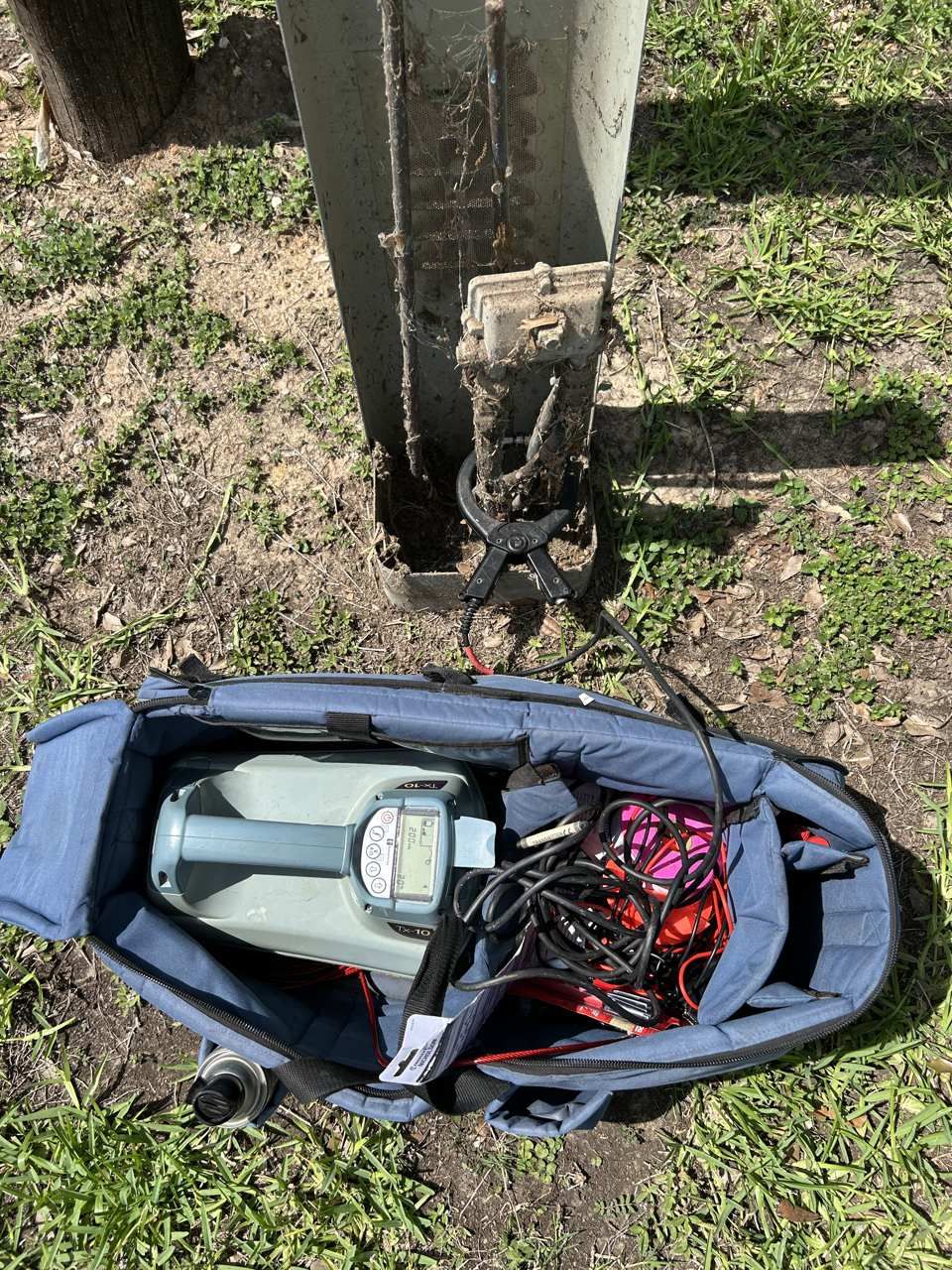
Commercial projects frequently require scanning because of the number of systems embedded within modern buildings.
Common project types include:
- Office renovations
- Retail buildouts
- Warehouse improvements
- Healthcare facilities
- Schools and universities
- Manufacturing facilities
- Multifamily developments
- Parking structures
In many of these environments, accidental damage can affect active operations, tenants, customers, or facility systems. Scanning helps reduce that risk before work begins.
What Happens After the Scan?
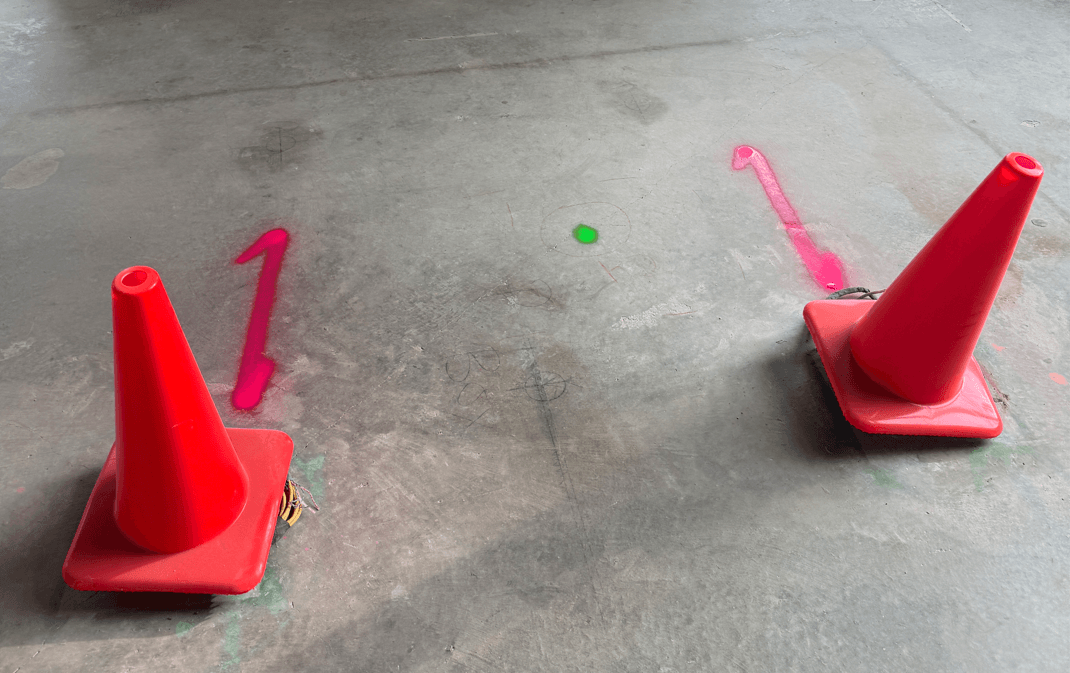
After scanning is completed, identified conflicts are typically marked directly on the concrete surface. These markings help contractors adjust penetration locations when necessary. Depending on project requirements, SiteTwin may also provide:
- Surface markings
- Site photos
- Scan documentation
- Project notes
- Recommended safe work areas
The objective is to give crews usable field information before concrete penetration begins.
Concrete Scanning Across Texas
Concrete scanning is commonly used throughout Texas on commercial, industrial, institutional, and multifamily projects.
In Houston, Dallas, Austin, San Antonio, and Fort Worth, scanning is often performed before renovations, tenant improvements, equipment installations, utility upgrades, and slab modifications. The cost of scanning is often small compared to the cost of damaging a post-tension cable, conduit, or embedded utility. For typical ranges, see our breakdown of how much concrete scanning costs. You can also view our service locations.
Concrete Scanning FAQ
When should concrete scanning be performed?
Concrete scanning should be completed before coring, saw cutting, drilling, trenching, anchoring, or any activity that penetrates concrete.
Can concrete scanning find post-tension cables?
Concrete scanning may help identify post-tension cables within the scan area, allowing contractors to avoid damaging them during construction activities.
Can GPR find everything inside concrete?
No. GPR has limitations. Slab thickness, reinforcement density, moisture, depth, and access conditions can affect results.
Do I need concrete scanning if I have structural drawings?
In many cases, yes. Buildings are often modified after construction, and field conditions may not match original drawings.
How quickly can concrete scanning be scheduled?
Scheduling depends on project scope, location, and crew availability. Same-day or next-day service may be available in some situations.
Before cutting, coring, drilling, or anchoring into concrete, make sure you know what is inside the slab.
Concrete scanning provides critical information that can help reduce damage, delays, and unexpected repairs.