
Why Utility Locating Matters Before Excavation
Excavation is one of the highest-risk activities on a construction project. Once the bucket enters the ground, the crew is working around utilities that may not be visible from the surface. If those utilities are not identified beforehand, a single strike can stop the project immediately.
Damaged power, gas, water, fiber, or communication lines can create safety hazards, emergency repairs, service outages, and expensive delays. That is why utility locating matters before excavation begins.
SiteTwin | Utility Locating Services
Utility locating helps contractors understand what may be underground so excavation decisions are based on field information rather than assumptions.
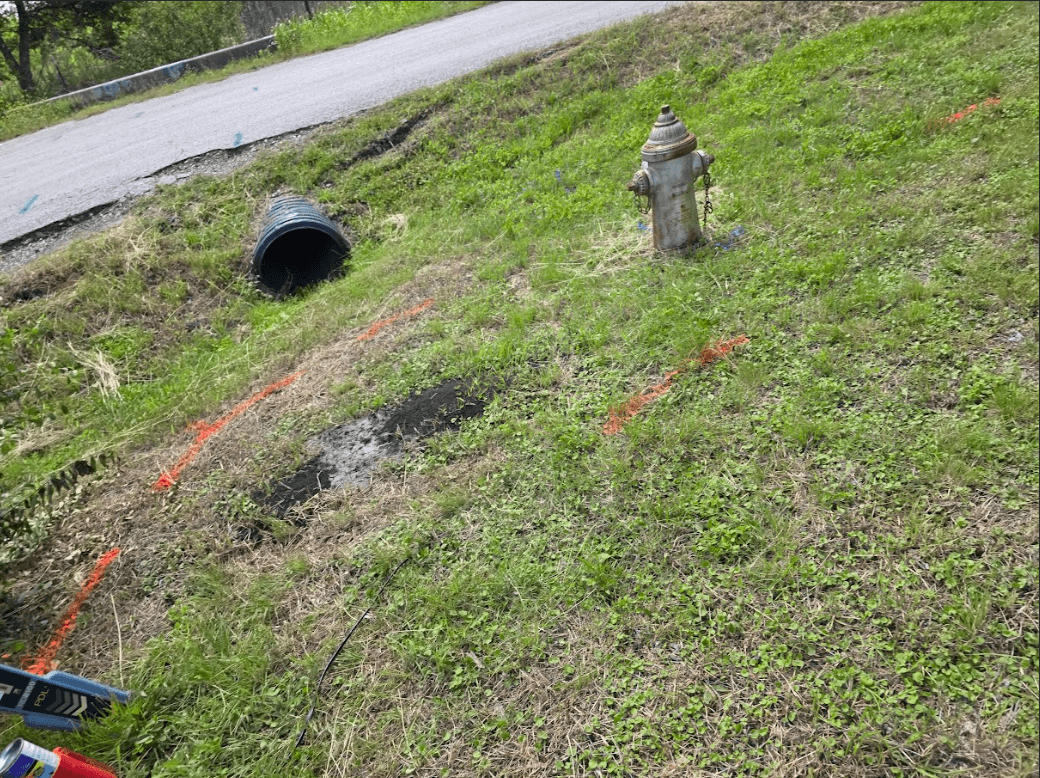
Underground Utilities Are Not Always Where You Expect
Many construction projects take place on sites that have changed over time. Buildings are expanded. Parking lots are reconstructed. Utilities are repaired. New services are installed. Old lines are abandoned but left underground. The result is that drawings and as-builts do not always match current field conditions.
Common underground utilities include:
- Electric lines
- Gas lines
- Water lines
- Fire lines
- Communication cables
- Fiber optics
- Storm drainage
- Sanitary sewer laterals
- Irrigation systems
- Parking lot lighting circuits
- Private utilities between buildings
Even when plans are available, they should not be treated as a guarantee of what exists underground today.
Why 811 Is Not Always Enough
811 should be contacted before excavation where required. The purpose of 811 is to notify utility owners so they can mark facilities they own near the proposed excavation area.
However, 811 is not a complete private utility investigation. Many commercial, industrial, and private properties contain utilities that are owned by the property owner rather than a public utility company.
These private utilities may include:
- Irrigation systems
- Site lighting
- Private electric feeds
- Private water lines
- Fire lines
- Communication conduit
- Utilities between buildings
- Those lines may not be marked through the 811 process.
That is why many contractors use private utility locating in addition to public utility markings before excavation begins.
How Utility Locating Works
Utility locating combines field investigation, utility records, and locating technology to identify known and suspected underground utilities.
The process often includes:
- Reviewing available plans and records
- Walking the site
- Idntifying surface utility indicators
- Electromagnetic locating
- GPR scanning when appropriate
- Utility marking and documentation
The goal is to provide a clearer picture of underground conditions before excavation starts.
Using EM Locating
Electromagnetic locating (EM locating) is commonly used to trace conductive utilities or utilities equipped with tracer wire.
It may be used to locate:
- Electric lines
- Metallic water lines
- Communication lines
- Gas lines with tracer wire
- Metallic conduits
EM locating works well in many situations, but it is not effective on every utility type. Non-conductive pipes, broken tracer wires, inaccessible utilities, and congested utility corridors can make tracing more difficult. That is why additional investigation methods are often needed.
Using GPR Scanning
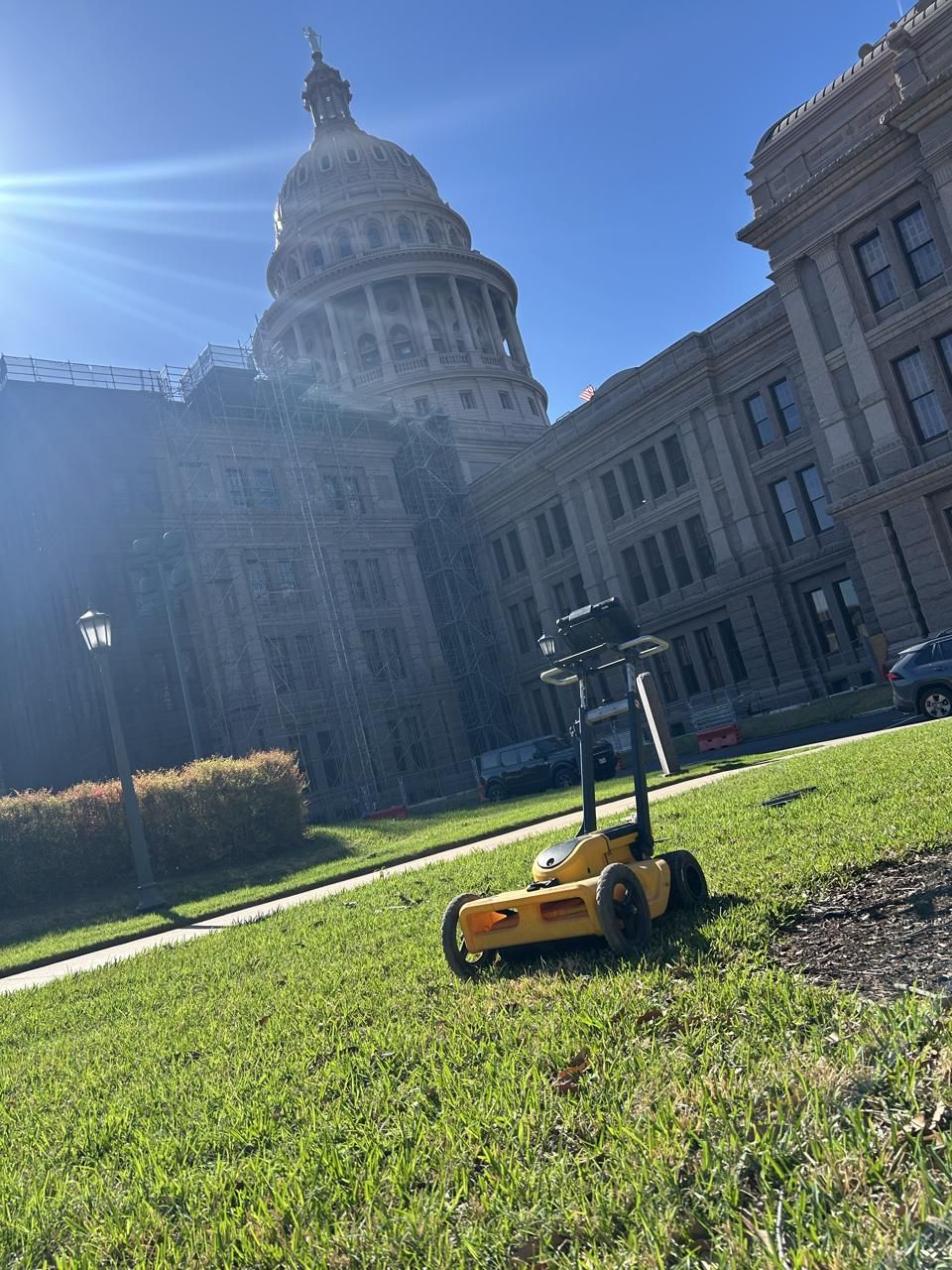
Ground penetrating radar helps investigate subsurface targets that may not be traceable through EM locating alone.
SiteTwin | GPR Scanning Services
GPR scanning may help identify:
- Buried utilities
- Utility corridors
- Trench lines
- Unknown targets
- Abandoned infrastructure
- Voids and anomalies
GPR is particularly useful when records are incomplete or when non-conductive utilities may be present. GPR has limitations. Soil conditions, moisture, depth, utility material, surface conditions, and utility congestion can all affect detection. GPR should be viewed as part of a broader utility investigation rather than a guarantee that every utility will be found. The best results typically come from combining records review, site inspection, EM locating, and GPR scanning.
Planning excavation? SiteTwin performs private utility locating, GPR scanning, and underground utility investigations for contractors and property owners across Texas. Request a locate.
Why Potholing Is Still Important
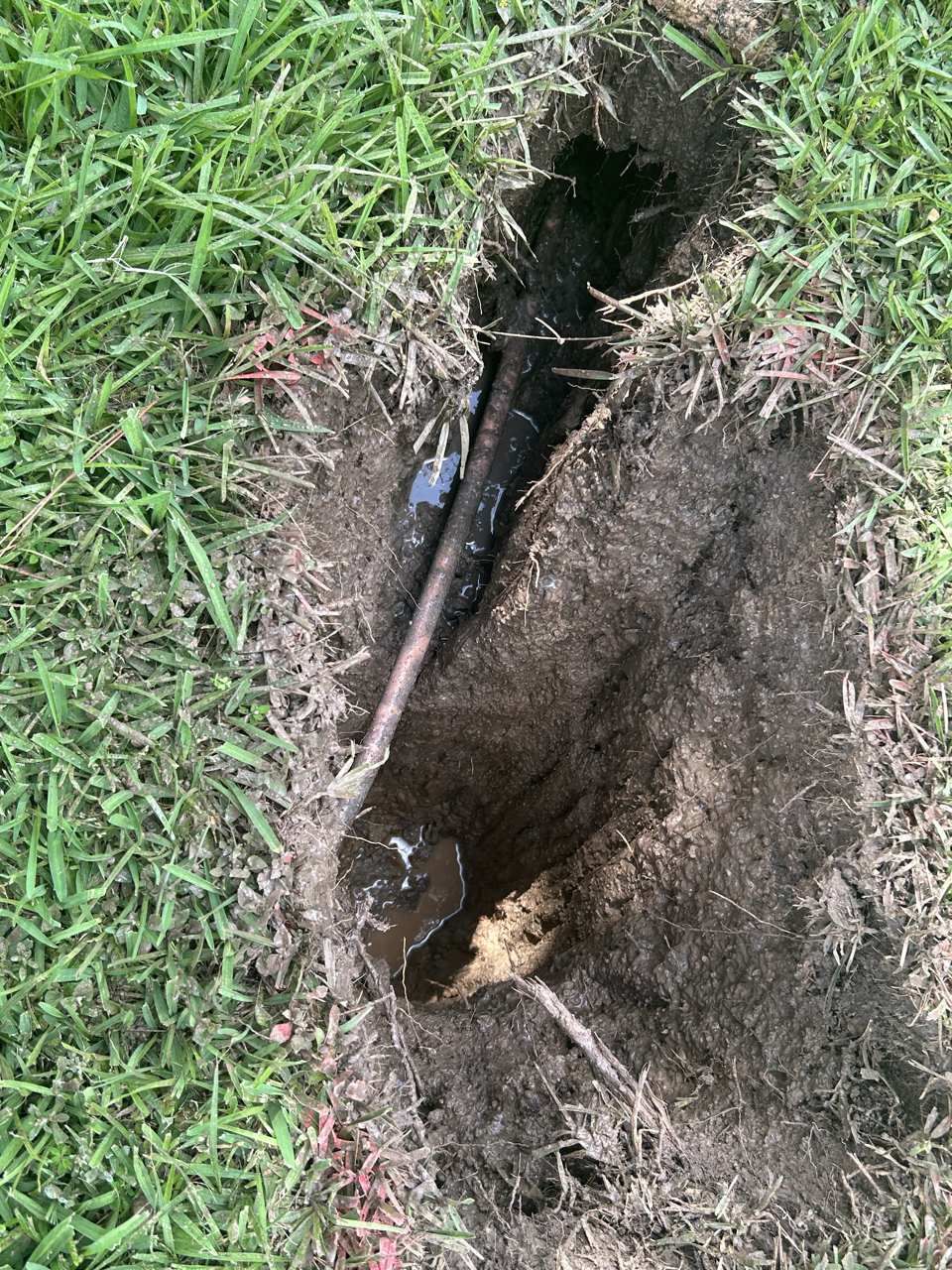
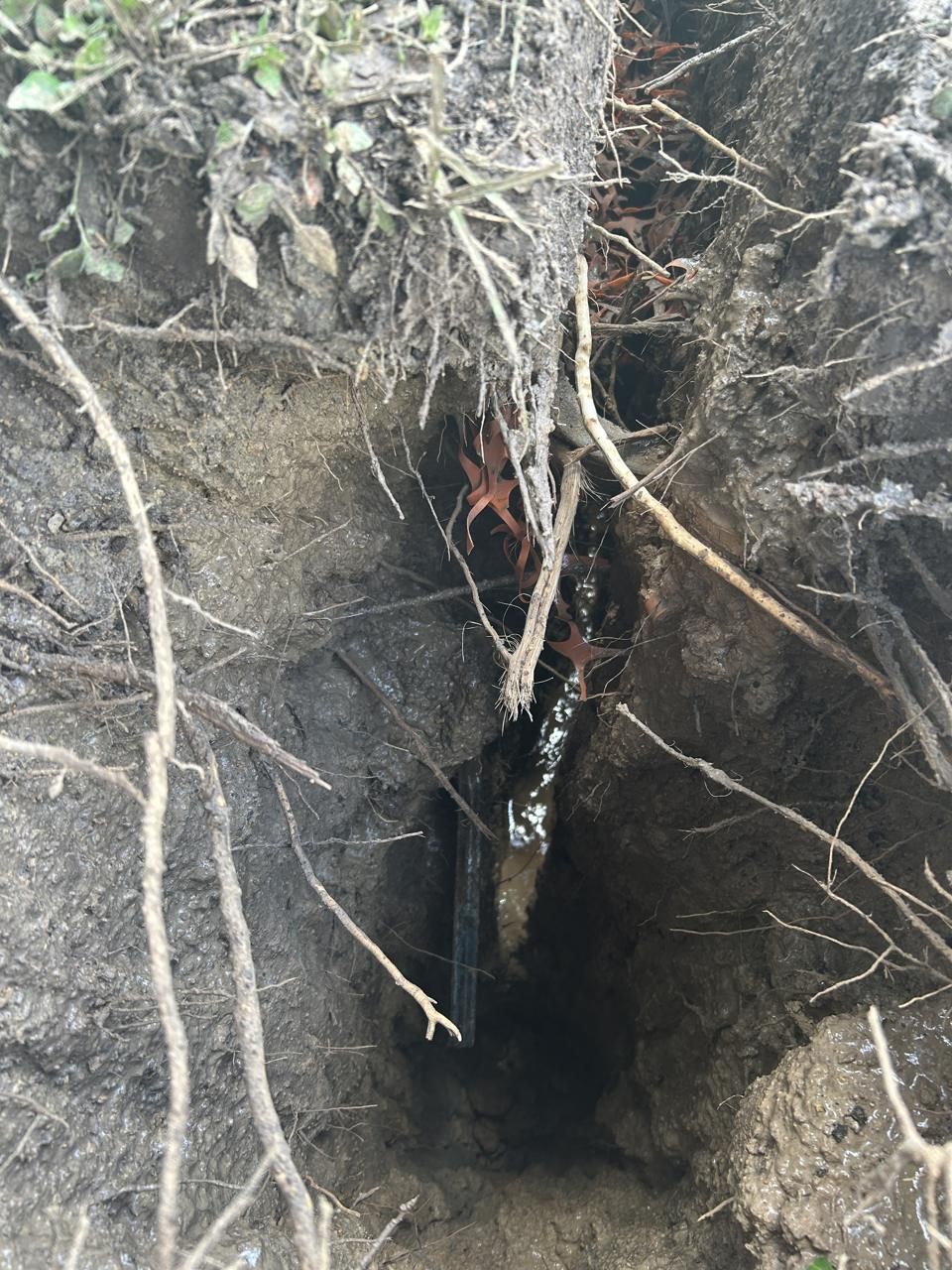
Utility locating identifies the suspected location of underground utilities. It does not physically expose them. When excavation risk is high, potholing or daylighting should be used to verify utility depth, location, and type before mechanical excavation continues through a conflict area.
Potholing is especially important for:
- Directional boring
- Deep excavation
- Utility tie-ins
- Gas crossings
- Power crossings
- Fiber crossings
- Congested utility corridors
A painted mark provides estimated alignment.
Potholing confirms what is actually underground.
This verification step can help prevent costly utility strikes and unexpected conflicts.
The Cost of a Utility Strike
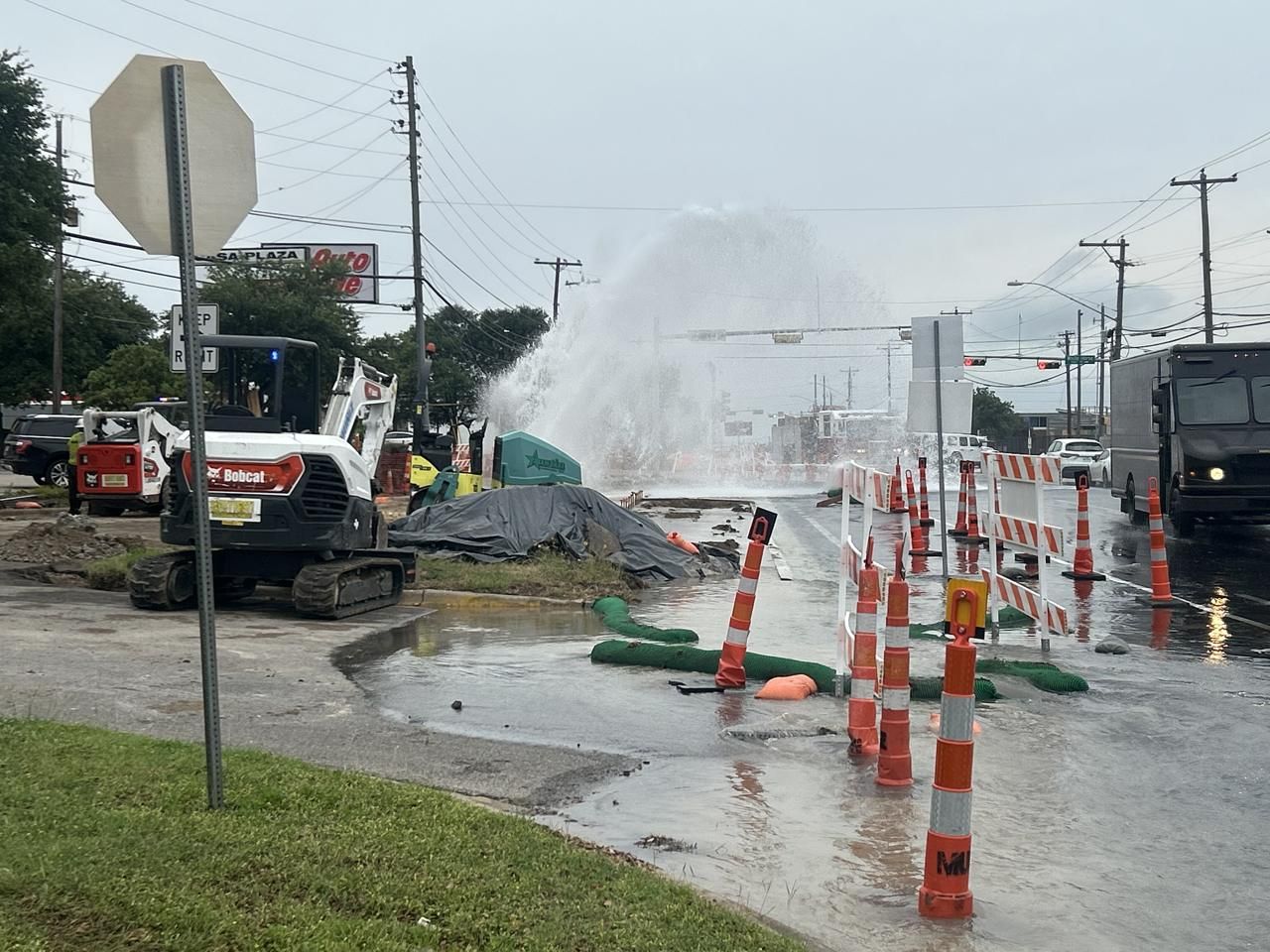
Many contractors think of utility locating as a project expense.
In reality, it is often a risk-management cost.
A single utility strike can result in:
- Emergency repair costs
- Schedule delays
- Idle crews
- Equipment downtime
- Service interruptions
- Safety incidents
- Damage claims
The cost of locating is often minor compared to the cost of a major utility strike.
That is why utility locating is a standard part of excavation planning on many commercial and industrial projects.
Texas Excavation Projects
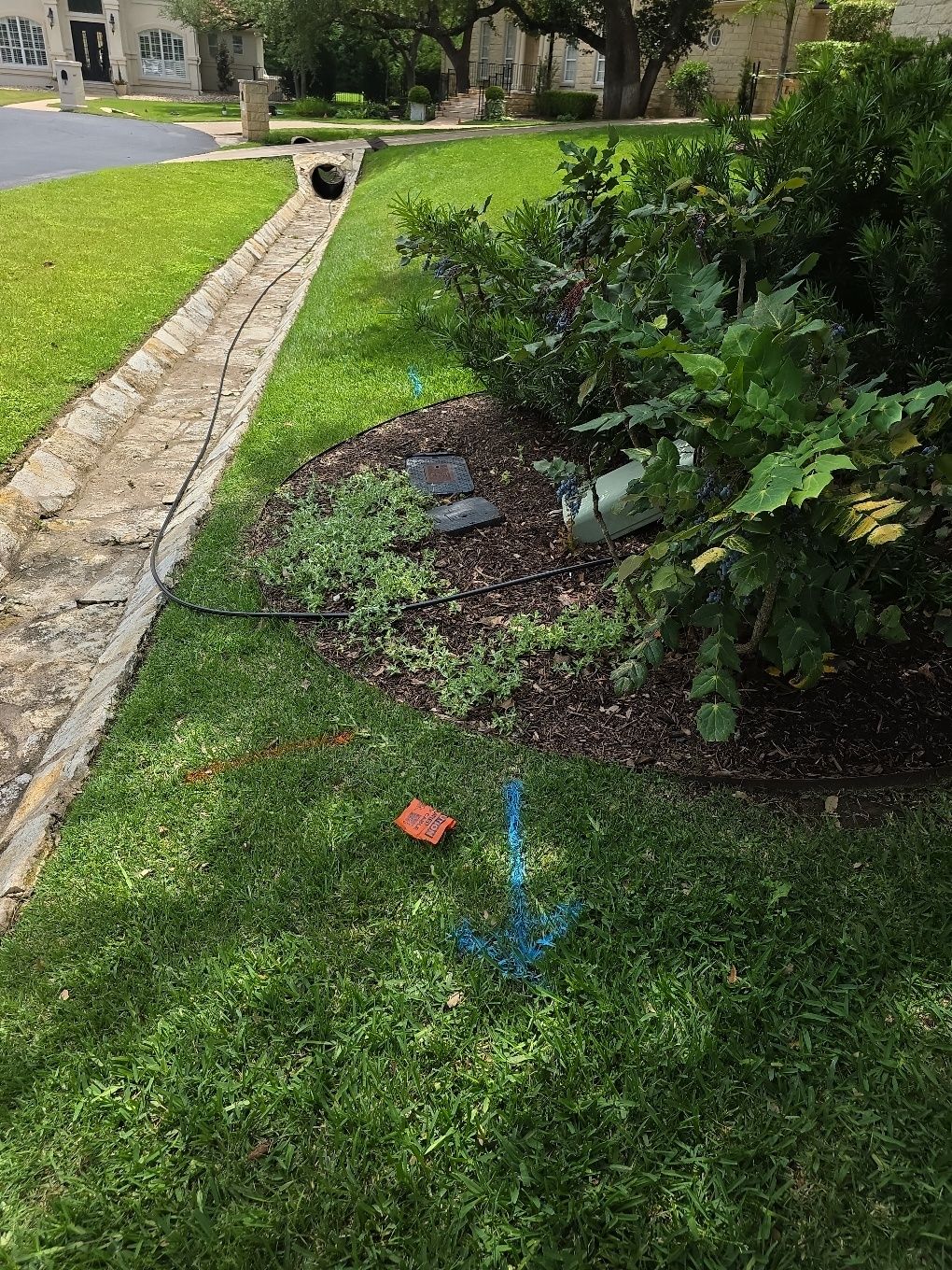
Across Texas, excavation frequently occurs on sites that have been expanded, remodeled, repaired, or redeveloped over time.
In these environments, underground conditions may not match available drawings. Utility locating helps contractors make excavation decisions based on current field conditions.
FAQ Section
Why is utility locating important before excavation?
Utility locating helps identify underground utilities before digging begins, reducing the risk of utility strikes, delays, and repair costs.
Does 811 locate all utilities?
No. 811 typically covers utilities owned by participating utility providers. Private utilities may require private utility locating.
Can GPR find every utility?
No. GPR performance depends on soil conditions, depth, utility material, moisture, and site conditions. It should be used as part of a broader utility investigation.
When is potholing necessary?
Potholing should be used when utility conflicts must be physically verified before excavation, especially in high-risk areas.
Before excavation begins, make sure the work area has been investigated, marked, and verified.