
Utility Locating Costs in Texas: EM Locating, GPR Scanning, and Potholing Considerations
Utility locating costs in Texas depend on what the crew actually needs answered before excavation starts.
A simple verification route across open ground is not the same as a congested commercial property with old utility repairs, private electric feeds, abandoned lines, irrigation, site lighting, and incomplete plans.
That is why pricing is usually based on scope, urgency, site conditions, utility density, and the level of investigation required.
For contractors, the real question is not just “What does utility locating cost?”
The better question is:
What will it cost if the crew hits an unknown utility and the job shuts down?
Private utility locating helps reduce that risk before trenching, directional boring, drilling, grading, or excavation begins.
SiteTwin | Private Locating Services
What Affects Utility Locating Cost?
Utility locating pricing is driven by field conditions. The more uncertainty onsite, the more time it usually takes to investigate and mark the work area properly.
Common pricing variables include:
- Project urgency
- Same-day or rush mobilization
- Site location
- Size of the investigation area
- Linear footage of trench or bore route
- Utility density
- Number of utility crossings
- Quality of existing records
- Availability of as-builts
- Site access limitations
- Active construction conditions
- Need for GPR scanning
- Need for EM locating
- Need for utility mapping deliverables
- Safety orientation or facility access requirements
- Unknown or abandoned utilities
- Congested private infrastructure
A locate across a clean open area may be straightforward. A locate through a commercial parking lot with patched asphalt, light poles, irrigation, private electric, old utility cuts, and multiple tenants is different. The field time goes up when the technician has to sort through conflicting signals, unknown targets, inaccessible utilities, and site conditions that do not match the plans.
Why Texas Jobsites Often Need Private Utility Locating
Texas jobsites move fast. Crews are scheduled tightly. Equipment is expensive to leave idle. Subcontractors are often stacked close together. A delayed trench, bore, or utility tie-in can affect several trades at once. That makes utility locating more than a safety step. It becomes a production planning tool.
Across Texas markets like Houston, Dallas, Austin, San Antonio, and Fort Worth, commercial and industrial properties often have private utilities that are not fully shown on public records or original drawings.
SiteTwin | Houston Locating Services
SiteTwin | Dallas Locating Services
SiteTwin | Austin Locating Services
SiteTwin | Fort Worth Locating Services
SiteTwin | San Antonio Locating Services
Common private utilities include:
- Parking lot lighting
- Irrigation
- Private electric feeds
- Private gas lines
- Private water lines
- Fire lines
- Communication conduit
- Security gate power
- Fiber lines
- Utilities between buildings
- Tenant improvement utilities
- Abandoned utilities left in place
These utilities can be active, shallow, undocumented, and directly in the excavation path. That is where private locating helps fill the gap.
811 Is Important, But It Does Not Cover Everything
811 should still be contacted before excavation where required. It is the standard public utility notification process. Utility owners are notified so they can mark the facilities they own near the proposed excavation area.
But 811 is not the same as a private utility investigation. Public utility owners typically mark only the infrastructure they own. They may not mark private utilities installed, owned, or maintained by a property owner, facility, tenant, contractor, developer, or private system operator.
That means 811 may not identify:
- Private site lighting
- Irrigation
- Private water lines
- Private gas lines
- Secondary power feeds
- Communication lines
- Fire lines
- Utilities behind buildings
- Lines between structures
- Abandoned private utilities
That does not mean 811 failed; it means 811 and private utility locating serve different purposes. Contractors should use 811 where required and use private utility locating when excavation involves private property, incomplete plans, commercial sites, industrial facilities, or utilities beyond public owner markings.
How EM Locating Affects Cost
Electromagnetic locating, often called EM locating, is one of the primary methods used to trace underground utilities. EM locating works by applying or detecting a signal on conductive utilities. A technician may connect directly to an accessible utility, clamp onto a cable or conduit, induce a signal from the surface, or use passive methods to detect certain energized or metallic lines.
EM locating is commonly used for:
- Electric lines
- Metallic water lines
- Communication lines with tracer wire
- Gas lines with tracer wire
- Metallic conduits
- Some utility corridors with accessible features
EM locating can be efficient when utilities are conductive, accessible, and traceable. That can help control cost on straightforward projects. But EM locating takes more time when field conditions are difficult.
Cost can increase when:
- Utilities are not accessible
- Tracer wire is missing or broken
- Lines are non-conductive
- Multiple utilities are bundled together
- Signals bleed onto nearby utilities
- Utility corridors are congested
- Grounding conditions are poor
- Records do not match the site
- Surface features are missing or buried
On a clean site, EM locating may move quickly. On a congested Texas commercial property, the technician may need to test multiple access points, compare field signals, cross-check with surface features, and use GPR scanning to investigate unknowns. That extra field time affects price.
How GPR Scanning Affects Cost
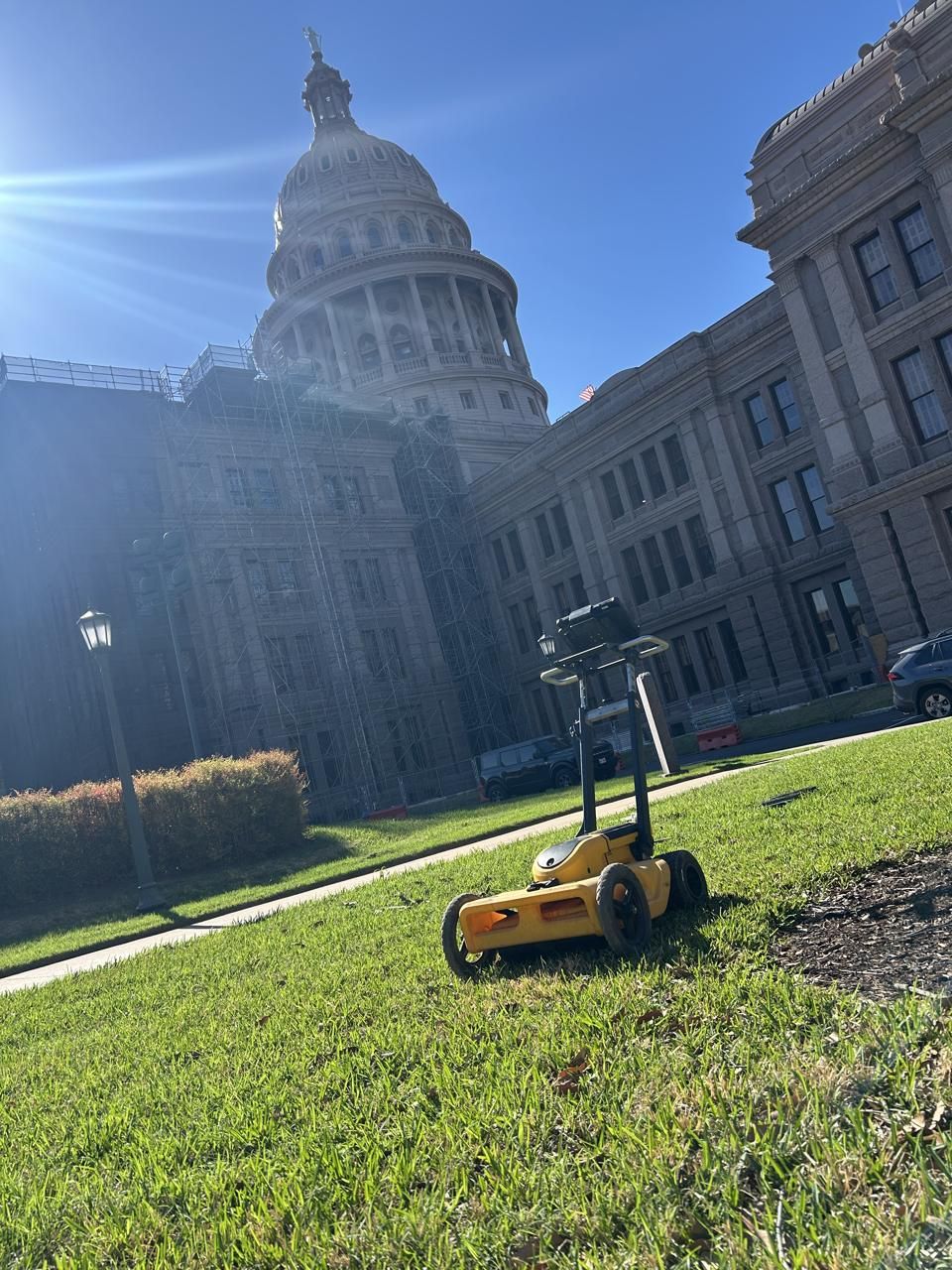
Ground penetrating radar is often used when EM locating alone is not enough.
SiteTwin | GPR Scanning Services
GPR scanning helps investigate subsurface features within the scan area. It may identify buried utilities, trench lines, voids, abandoned infrastructure, unknown targets, and other anomalies.
GPR is useful when:
- Utility records are incomplete
- Utilities are non-conductive
- Tracer wire is missing
- Access points are limited
- Abandoned utilities may be present
- Excavation crosses unknown utility corridors
- The site has private infrastructure
- EM locating results are unclear
GPR scanning can add cost because it adds investigation time, equipment, and interpretation. But on the right project, that cost is often justified because GPR can provide additional visibility where traditional locating methods may be limited. For a deeper breakdown, see our guide on ground penetrating radar cost.
GPR also has limitations. Soil type, clay content, moisture, depth, surface conditions, reinforced concrete, debris, utility material, and nearby interference can all affect what can be detected. GPR does not find every underground utility in every condition, and it should not be treated as a guarantee that the work area is clear. A good utility investigation uses GPR as part of the process, not as a standalone promise.
- EM locating
- GPR scanning
- Site records review
- Visual site inspection
- Surface feature review
- Field markings
- Potholing verification where needed
Need Utility Locating Pricing for a Texas Jobsite?
SiteTwin performs private utility locating, GPR scanning, and underground utility investigations for contractors and property owners across Texas.
SiteTwin | Locating Services
Potholing Considerations and Cost Impacts
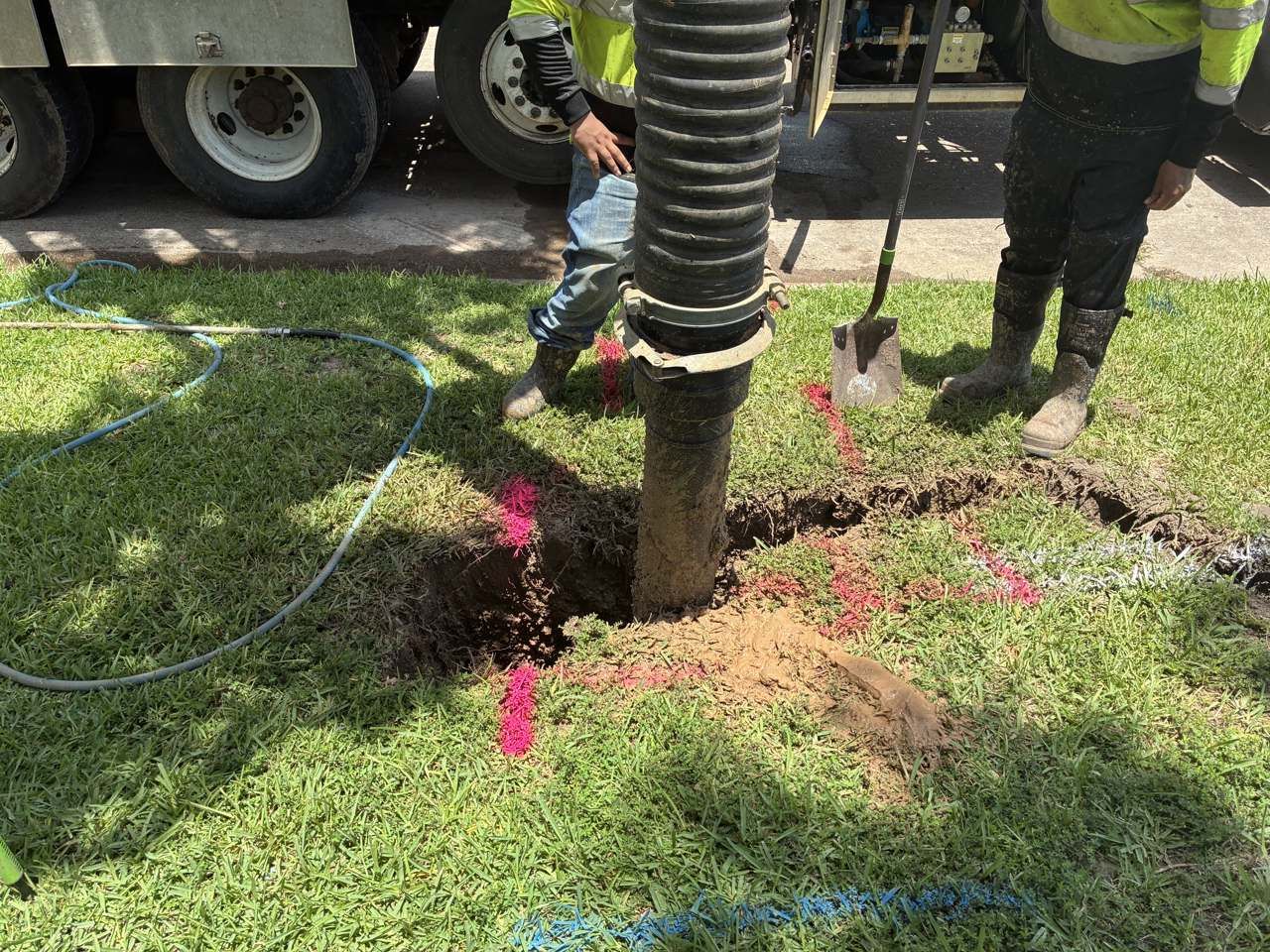
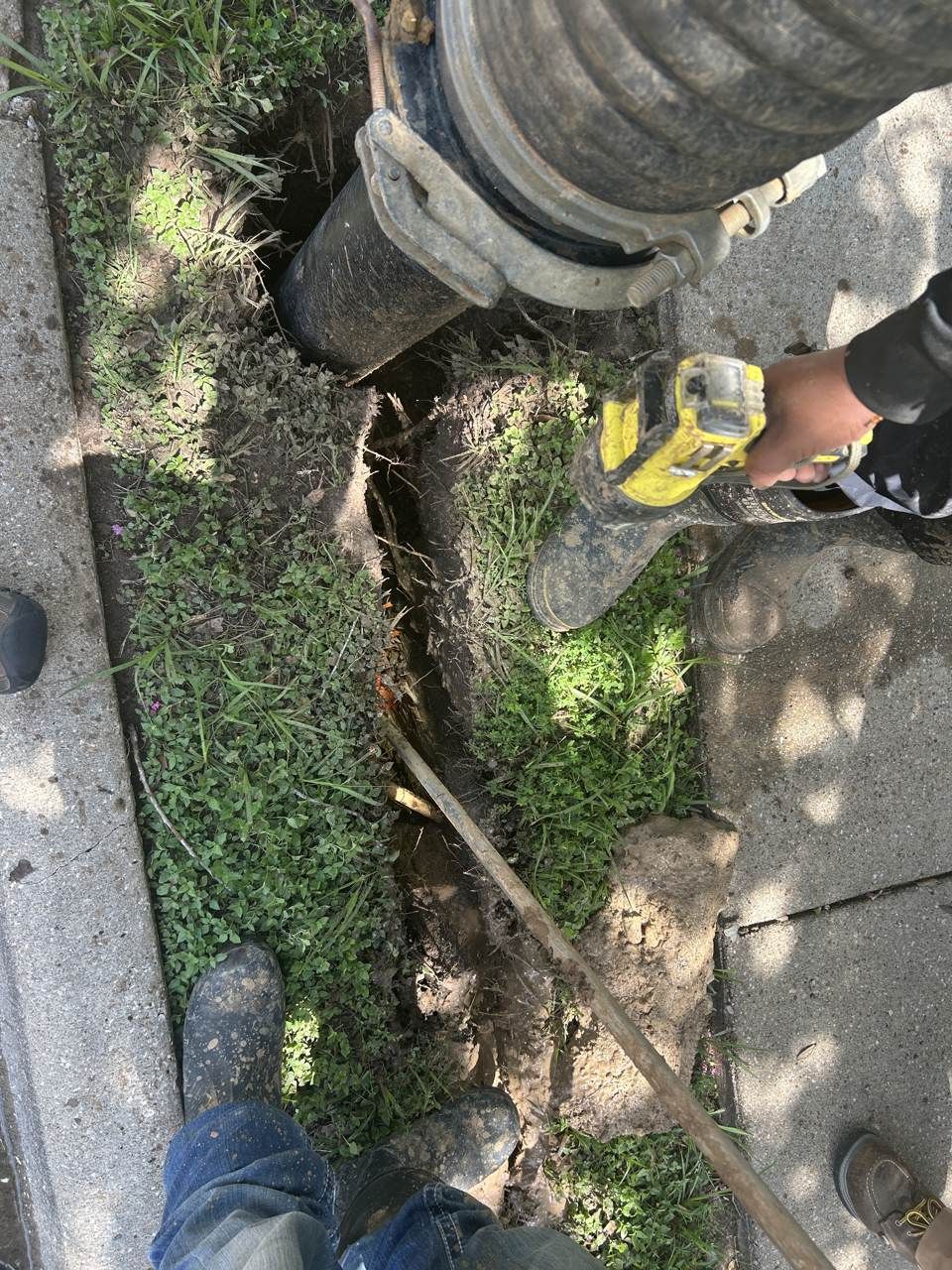
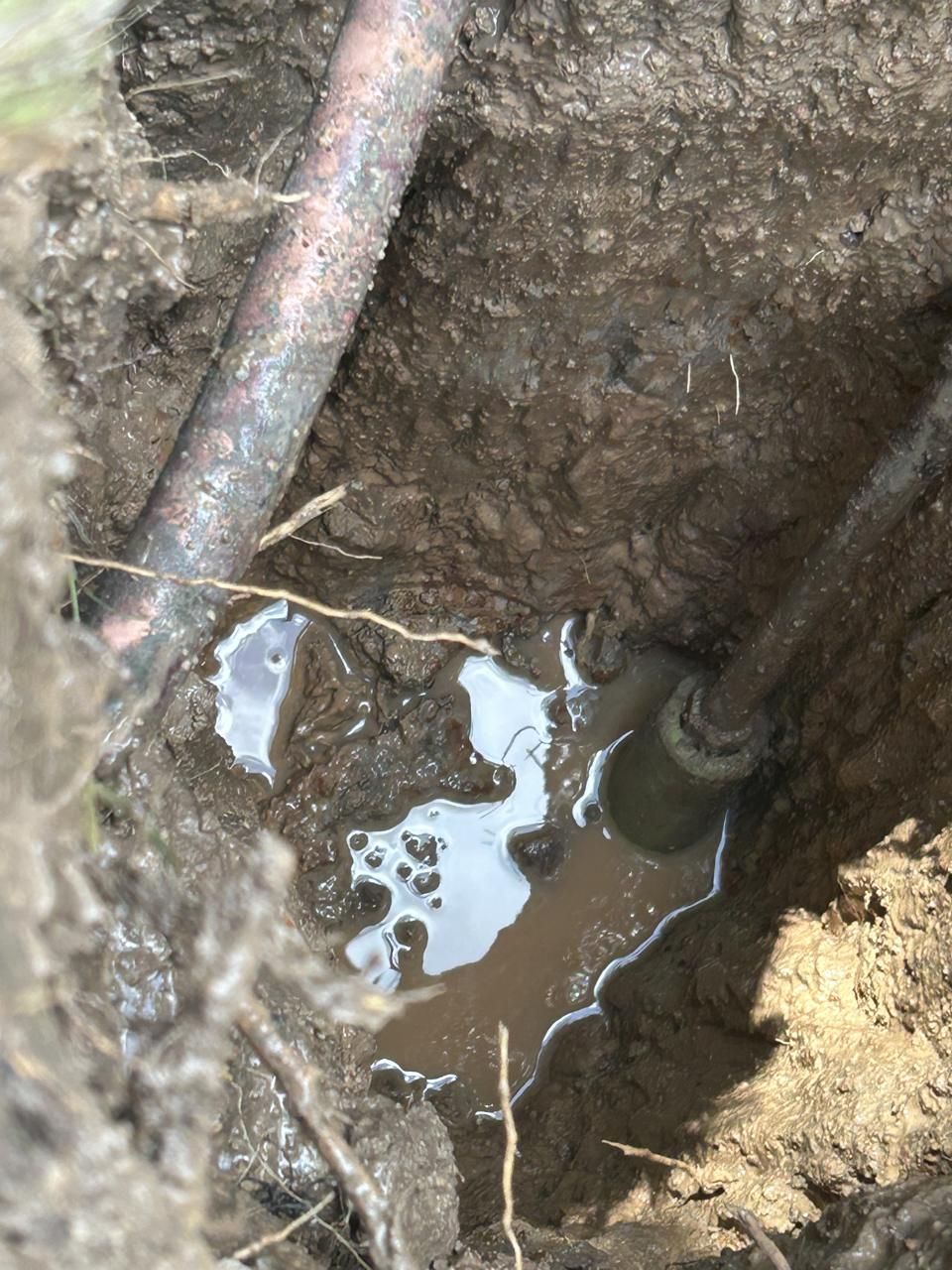
Potholing, also called daylighting, is the physical verification of a utility by safely exposing it. Utility locating gives the crew an estimated horizontal utility path. Potholing confirms depth, location, utility type, and actual field conditions. When excavation risk is high, potholing should be used to physically verify utility depth and location before mechanical excavation continues through a conflict area.
This is especially important before:
- Directional boring
- Deep trenching
- Utility tie-ins
- Excavation near gas lines
- Excavation near power lines
- Fiber crossings
- Water main or force main conflicts
- Congested corridors
- Areas with unclear utility records
- Areas where marks and plans do not match
- Unknown GPR targets in the excavation path
Potholing can affect project cost because it may require additional crew time, vacuum excavation, traffic control, restoration, permits, or coordination with the excavation contractor. But potholing is often the step that turns a suspected conflict into a verified field condition.
For directional boring, potholing critical crossings is especially important. The bore head moves underground where the operator cannot visually confirm every conflict. A locate mark helps guide the bore plan, but potholing confirms where the utility actually is. Skipping potholing may save time upfront, but it can create much larger risk during excavation.
Cost Difference Between a Simple Locate and a Complex Investigation
Not all utility locating scopes are the same. A simple locate may include a short trench route, clear access, limited utilities, visible surface features, and no need for mapping deliverables.
A complex investigation may include multiple work areas, congested utilities, incomplete records, GPR scanning, EM tracing, suspected abandoned lines, facility access requirements, and documentation.
Simple locate conditions may include:
- Small work area
- Clear excavation route
- Good site access
- Available records
- Low utility congestion
- Few crossings
- No major mapping deliverables
Complex locate conditions may include: - Large commercial property
- Industrial site
- Hospital or campus environment
- Multiple utility corridors
- Poor or missing records
- Unknown private utilities
- Abandoned infrastructure
- Multiple tenants or buildings
- Active construction
- Restricted access
- Need for PDF maps or KMZ exports
- Multiple mobilizations
- A simple locate may be completed in a few hours.
A complex utility investigation may require a half day, full day, or phased work depending on the size of the property and the deliverables required.
Utility Mapping and Deliverables
Some projects only need paint marks onsite.
Others need documentation for project managers, engineers, owners, subcontractors, or future phases of work.
Depending on the project scope, SiteTwin may provide:
- Utility paint markings
- Site photos
- Field sketches
- PDF utility maps
- KMZ exports
- GIS-compatible utility mapping
- Utility conflict notes
- Potholing recommendations
- Markups showing investigated areas
These deliverables can affect pricing because they require additional field documentation, drafting, data processing, or mapping time.
For a contractor digging the same day, paint marks may be enough.
For a project manager coordinating multiple crews across a large Texas site, a PDF utility map or KMZ export may be worth the added cost because it keeps everyone working from the same field information.
When Concrete Scanning Is Part of the Scope
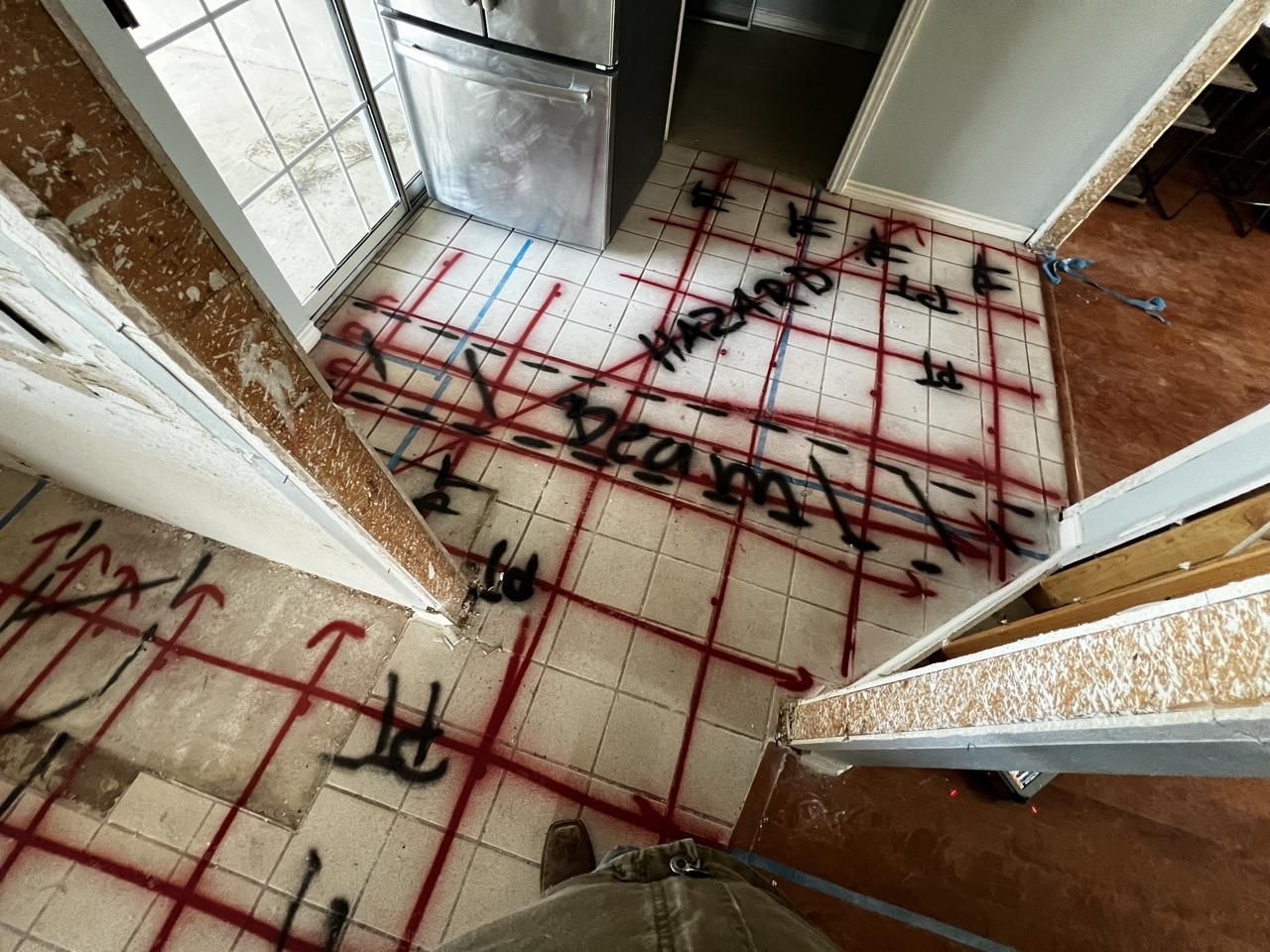
Some utility-related risks are not outside in the dirt. They are inside concrete. Before coring, saw cutting, anchoring, trenching through a slab, or performing tenant improvement work, concrete scanning may be needed.
SiteTwin | Concrete Scanning Services
Concrete scanning can help identify:
- Rebar
- Post-tension cables
- Embedded conduits
- Utility sleeves
- Unknown objects
- Reinforcement patterns
Concrete scanning pricing depends on the number of scan areas, slab conditions, access, urgency, and whether the layout changes while the technician is onsite. It can also help locate voids under concrete before coring or cutting. For typical ranges, see our breakdown of how much concrete scanning costs.
Concrete scanning also has limitations. Slab thickness, reinforcement density, surface conditions, access, and embedded target depth can affect results. The scan area should be clearly defined before the technician arrives.
Scheduling and Rush Mobilization
Scheduling can affect utility locating cost.
Same-day or next-day mobilization may be available in many Texas markets, but rush work can affect pricing depending on crew availability, drive time, access, and urgency.
Rush locating is common when:
- 811 marks are delayed
- The crew is scheduled to dig tomorrow
- A utility conflict appears during excavation
- Plans do not match field conditions
- A bore crew needs verification
- Emergency repair work is planned
- A shutdown window is approaching
- Equipment is already onsite
- Emergency and rush work can help keep production moving, but the site contact should still provide as much information as possible.
Useful scheduling information includes:
- Project address
- Scope of work
- Prposed excavation or bore route
- Site plans or markups
- Photos of the work area
- Known utilities
- Access instructions
- Safety requirements
- Desired schedule
- Site contact information
- Deliverables needed
- Clear scope helps avoid wasted field time and makes pricing more accurate.
How to Keep Utility Locating Costs Under Control
The best way to control cost is to provide a clear scope before the technician arrives. A vague request to “scan the whole site” usually takes longer than a defined work area tied to the actual excavation plan.
To help control cost:
- Mark the proposed excavation route before arrival
- Provide plans or as-builts if available
- Send photos of the work area
- Confirm site access
- Identify known utilities
- Move vehicles or stored materials if possible
- Provide a site contact who understands the scope
- Clarify whether maps or KMZ exports are needed
- Schedule early when possible
- Identify high-risk areas that may need potholing
Good preparation helps the locating crew focus on the areas that matter most. That usually produces better field information and avoids unnecessary time onsite.
What Contractors Are Really Paying For
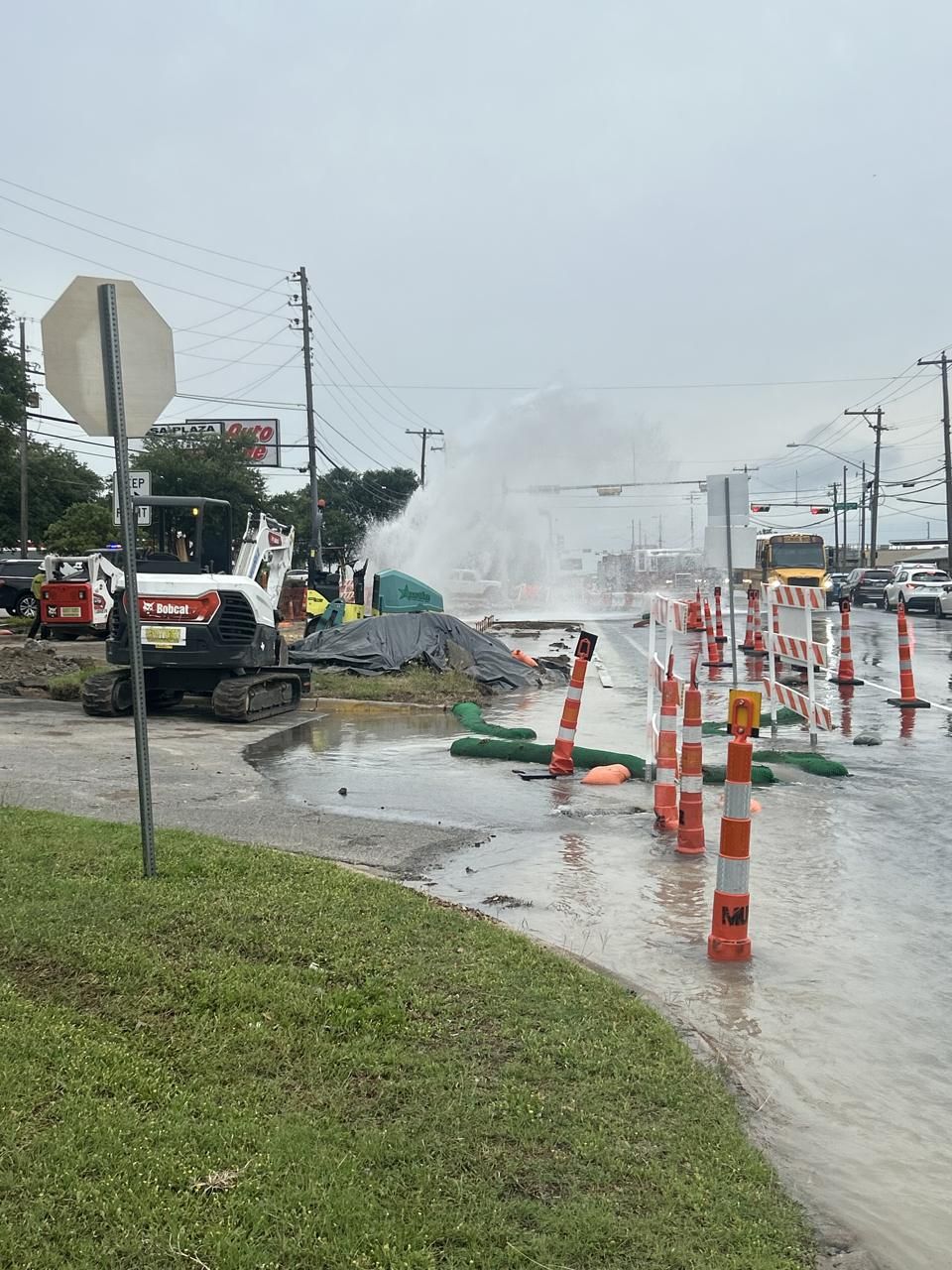
Contractors are not just paying for paint on the ground. They are paying for field investigation, production protection, risk reduction, and better decision-making before excavation starts.
A private locate can help prevent:
- Utility strikes
- Idle crews
- Emergency repairs
- Schedule delays
- Shutdowns
- Change orders
- Safety incidents
- Conflicts with owners or utility providers
- Damage to private infrastructure
On many projects, the cost of locating is minor compared to the cost of a damaged utility. One hit line can stop the job, delay other trades, trigger emergency response, require repairs, and create documentation problems for the contractor. Utility locating helps reduce that risk before the first cut, trench, bore, or excavation.
FAQ Section
How much does private utility locating cost in Texas?
Private utility locating costs often start around $200 per hour with a 2-hour minimum for smaller verification jobs. Half-day mobilizations commonly run around $995–$1,200, while larger or more complex projects may start around $1,800+. Actual pricing depends on site conditions, urgency, utility density, scope, and deliverables.
What affects utility locating pricing?
Pricing is affected by site size, utility congestion, urgency, access, existing records, number of utility crossings, EM locating conditions, GPR scanning needs, mapping deliverables, and whether the project requires additional coordination or phased investigation.
Does 811 locate private utilities?
No, not in most cases. 811 is used to notify public utility owners so they can mark infrastructure they own. Private utilities such as site lighting, irrigation, private electric, private gas, private water, and communication lines may require private utility locating.
Is GPR scanning included in utility locating?
GPR scanning may be included depending on the scope and site conditions. It is often used when EM locating is not enough, when utilities are non-conductive, when records are incomplete, or when unknown targets need to be investigated.
Can GPR find every underground utility?
No. GPR cannot find every underground utility in every condition. Soil type, moisture, clay, depth, surface conditions, utility material, and site congestion can affect detection. GPR should be used as part of a broader utility investigation.
What is EM locating?
EM locating uses electromagnetic signals to trace conductive utilities or utilities with tracer wire. It is commonly used for electric, communication, metallic water, gas with tracer wire, and metallic conduits. It can be limited by poor access, broken tracer wire, non-conductive utilities, or congested signal conditions.
Is potholing required after utility locating?
Potholing is recommended when excavation risk is high or when a utility conflict must be physically verified. Surface marks show the estimated utility path, but potholing confirms depth, location, and utility type before mechanical excavation proceeds.
Can SiteTwin provide utility maps?
Depending on the scope, SiteTwin may provide PDF utility maps, KMZ exports, GIS-compatible utility mapping, site photos, field sketches, paint markings, and notes on conflict areas or potholing recommendations.
Utility locating costs depend on the jobsite, but digging blind is usually the more expensive option.
Before trenching, boring, cutting, or excavating, get the work area investigated, marked, and documented so the crew can move with better information.
Related SiteTwin Guides
- Ground penetrating radar cost: what to expect
- How much does concrete scanning cost? A full breakdown
- Line locating methods explained
Get Utility Locating Pricing for Your Texas Jobsite
Utility locating costs depend on the jobsite, but digging blind is usually the more expensive option. Before trenching, boring, cutting, or excavating, get the work area investigated, marked, and documented so the crew can move with better information.