
Concrete Scanning Services in Houston
Concrete cutting, coring, and drilling projects in Houston often involve more risk than what is visible on the surface. Commercial buildings, warehouses, medical facilities, schools, multifamily developments, and industrial properties frequently contain post-tension cables, rebar, conduits, and embedded utilities hidden inside the concrete.
Damaging one of these components can create project delays, repair costs, safety concerns, and unexpected downtime. That is why contractors use concrete scanning services before penetrating concrete.
SiteTwin | Concrete Scanning Services
Whether the project involves a single core hole or a large renovation, scanning helps crews understand what may be inside the slab before work begins.
What Is Concrete Scanning?
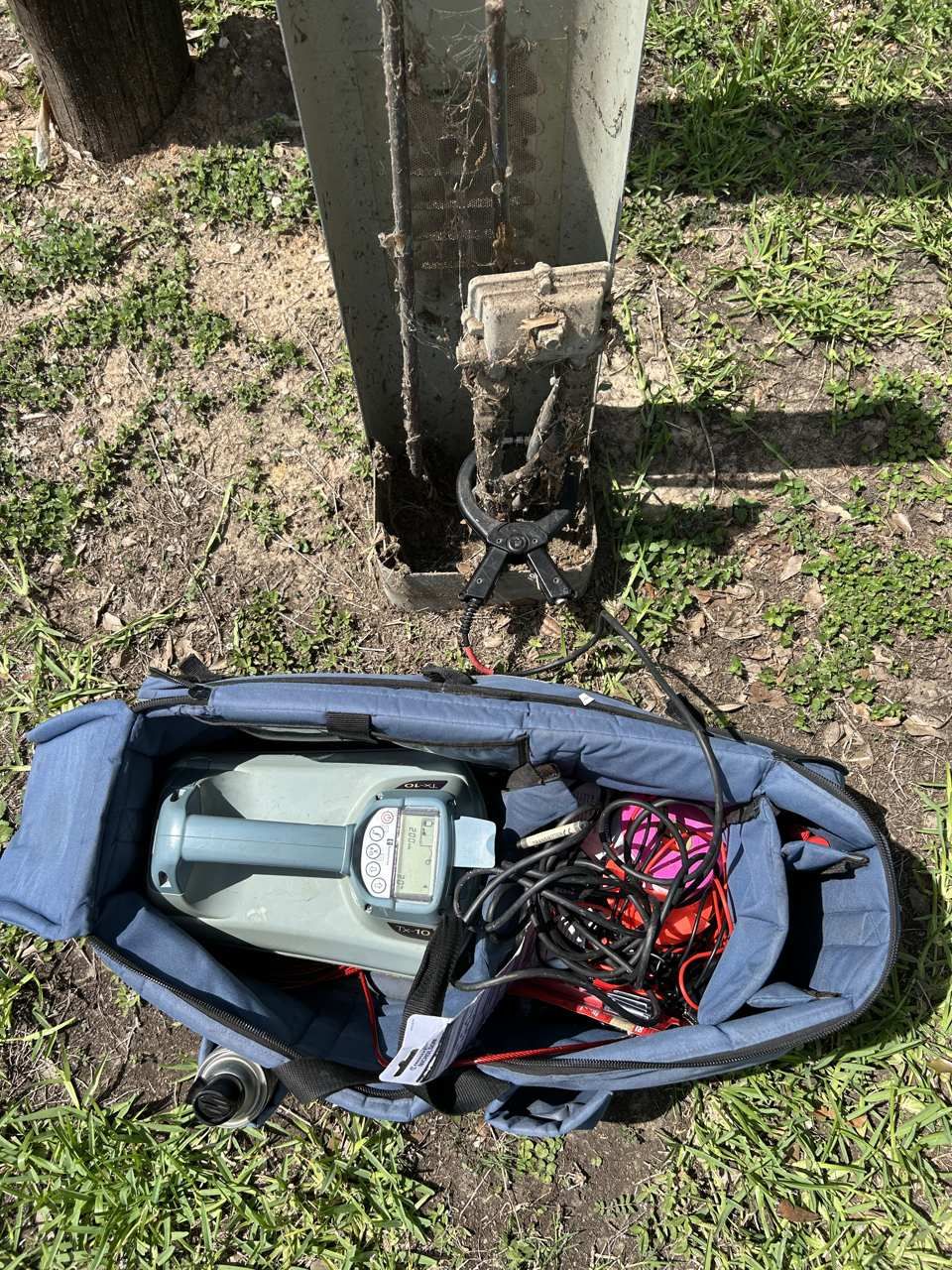
Concrete scanning is the process of investigating concrete slabs, walls, decks, and structural elements before cutting, coring, drilling, anchoring, or trenching. Ground penetrating radar (GPR) is commonly used to help identify embedded objects within the scan area.
Depending on site conditions, scanning may help identify:
- Post-tension cables
- Rebar
- Electrical conduits
- Utility sleeves
- Embedded utilities
- Reinforcement patterns
- Unknown objects
The goal is to help contractors avoid damaging critical infrastructure hidden inside the concrete. It can also help locate voids under concrete before coring or cutting.
When Houston Contractors Need Concrete Scanning
Concrete scanning is commonly performed before:
- Core drilling
- Saw cutting
- Slab trenching
- Anchor installation
- Equipment installation
- Plumbing upgrades
- Electrical upgrades
- Mechanical improvements
- Tenant improvements
- Building renovations
Houston's commercial construction market includes a large inventory of existing buildings where renovations and modifications occur regularly. In many cases, field conditions may not match original drawings, making scanning an important part of project planning.
Why Post-Tension Scanning Matters
Many commercial structures throughout Houston were built using post-tension concrete systems. Post-tension slabs contain high-strength steel tendons under tension within the concrete. Damaging one of these tendons can result in:
- Safety hazards
- Structural concerns
- Repair work
- Construction delays
- Additional engineering review
Because these systems are hidden from view, contractors often scan before coring, cutting, drilling, or trenching through concrete. Understanding tendon locations before work begins helps reduce risk.
Using GPR for Concrete Investigations
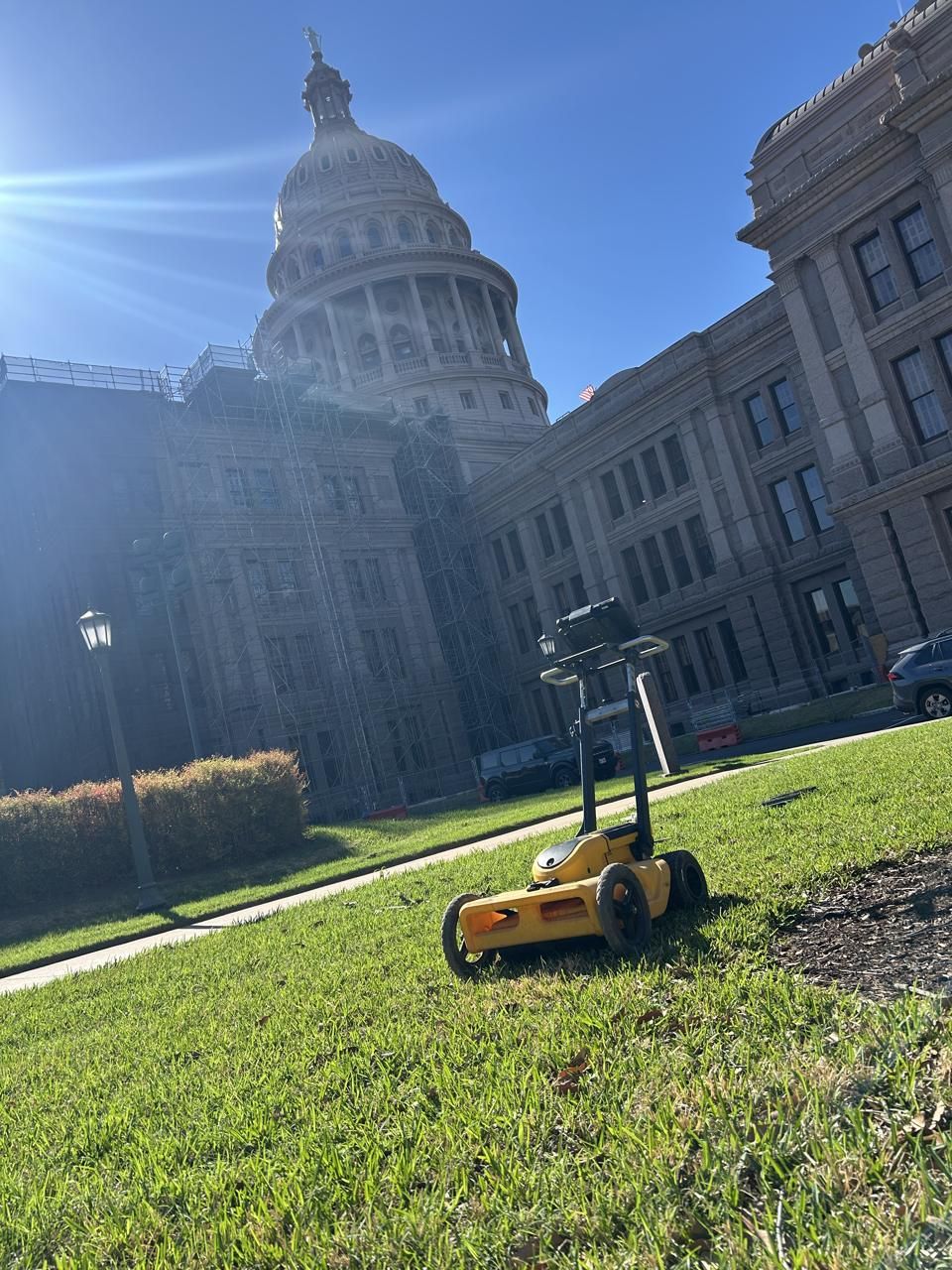
Ground penetrating radar is one of the most commonly used technologies for concrete scanning.
SiteTwin | GPR Scanning Services
GPR sends radar signals into the slab and analyzes reflections from embedded objects. The technology is non-destructive and can often provide immediate field information during the investigation. GPR may help identify:
- Post-tension tendons
- Rebar
- Conduits
- Utility sleeves
- Embedded objects
GPR has limitations. Slab thickness, reinforcement density, moisture, access conditions, target depth, and embedded materials can affect results. GPR should not be viewed as a guarantee that every object inside the concrete will be identified. The best results come from proper scanning procedures and experienced field interpretation.
What Happens After the Scan?
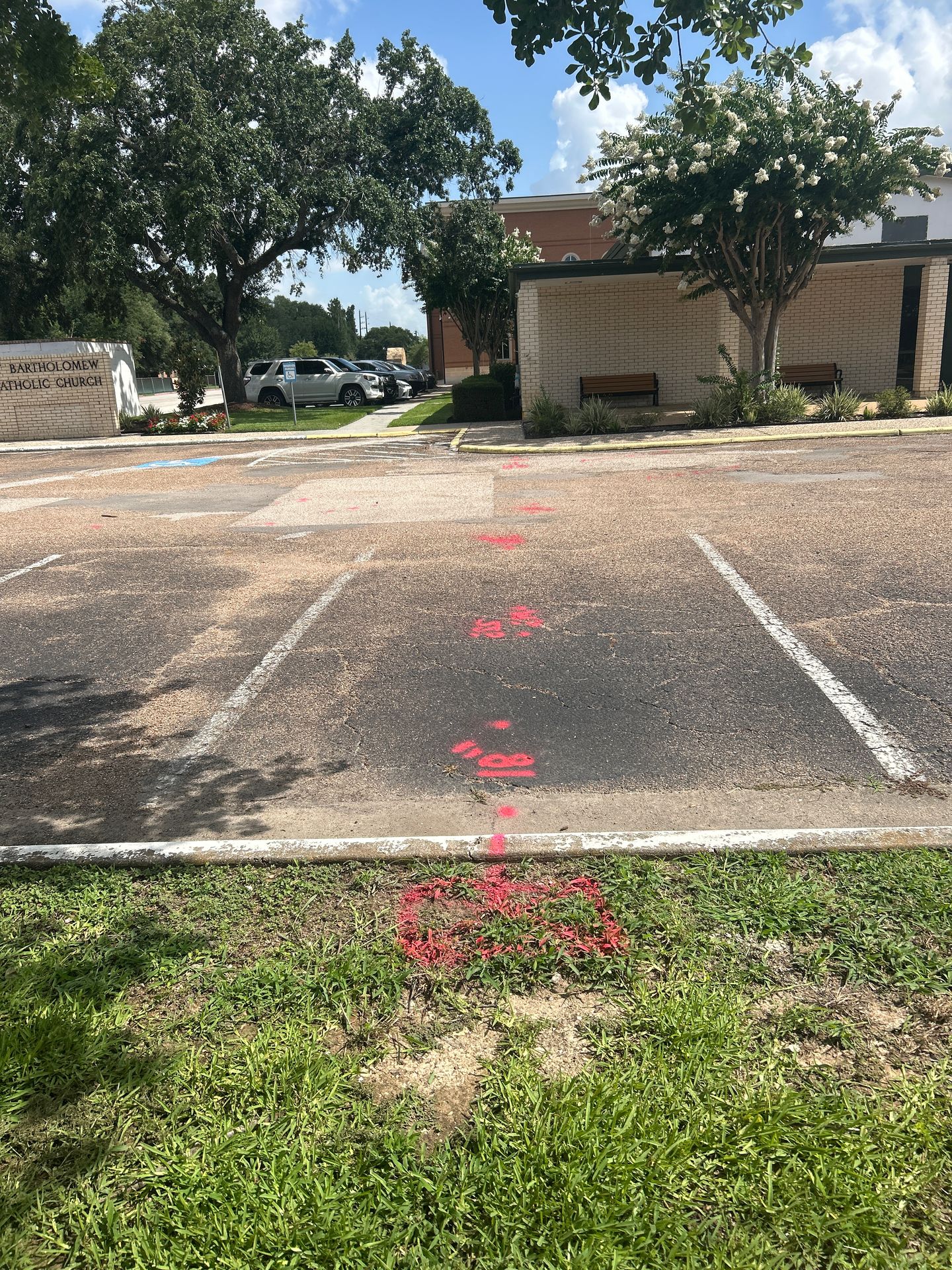
After scanning is completed, identified targets are typically marked directly on the concrete surface.
These markings help contractors identify safer locations for:
- Coring
- Drilling
- Saw cutting
- Anchoring
- Trenching
Depending on project requirements, SiteTwin may also provide: - Surface markings
- Site photos
- Scan documentation
- Project notes
- Penetration planning support
The goal is to provide useful field information before concrete penetration work begins.
Why Houston Contractors Schedule Scanning Early
Houston construction schedules often move quickly. Waiting until the day of cutting or coring to investigate the slab can create delays if unexpected conflicts are found. Scheduling scanning before penetration work allows contractors to:
- Verify slab conditions
- Coordinate trades
- Adjust layouts if necessary
- Reduce rework
- Improve project planning
For renovation and tenant improvement projects, early scanning can help avoid surprises after crews mobilize. Same-day and next-day mobilization is available in many Houston-area markets - send the address and scope for review.
Concrete Scanning FAQ
What does concrete scanning identify?
Concrete scanning may help identify post-tension tendons, rebar, conduits, utility sleeves, embedded utilities, and other objects within the scan area.
When should concrete scanning be performed?
Scanning should be completed before coring, cutting, drilling, anchoring, trenching, or other concrete penetration activities.
Can GPR identify post-tension cables?
GPR may help identify post-tension tendons within the scan area so contractors can better plan penetration locations.
Do I need scanning if I have structural drawings?
In many cases, yes. Buildings are often modified after construction, and field conditions may differ from original plans.
Can GPR find everything inside a slab?
No. Slab thickness, reinforcement density, moisture, target depth, and access conditions can affect results.
Scan the Slab Before You Cut in Houston
Before cutting, coring, drilling, or anchoring into concrete, make sure the slab has been properly investigated. Concrete scanning helps Houston contractors reduce risk and make better decisions before penetration work begins.