Utility Marking Color Codes: What Each Paint Color Means
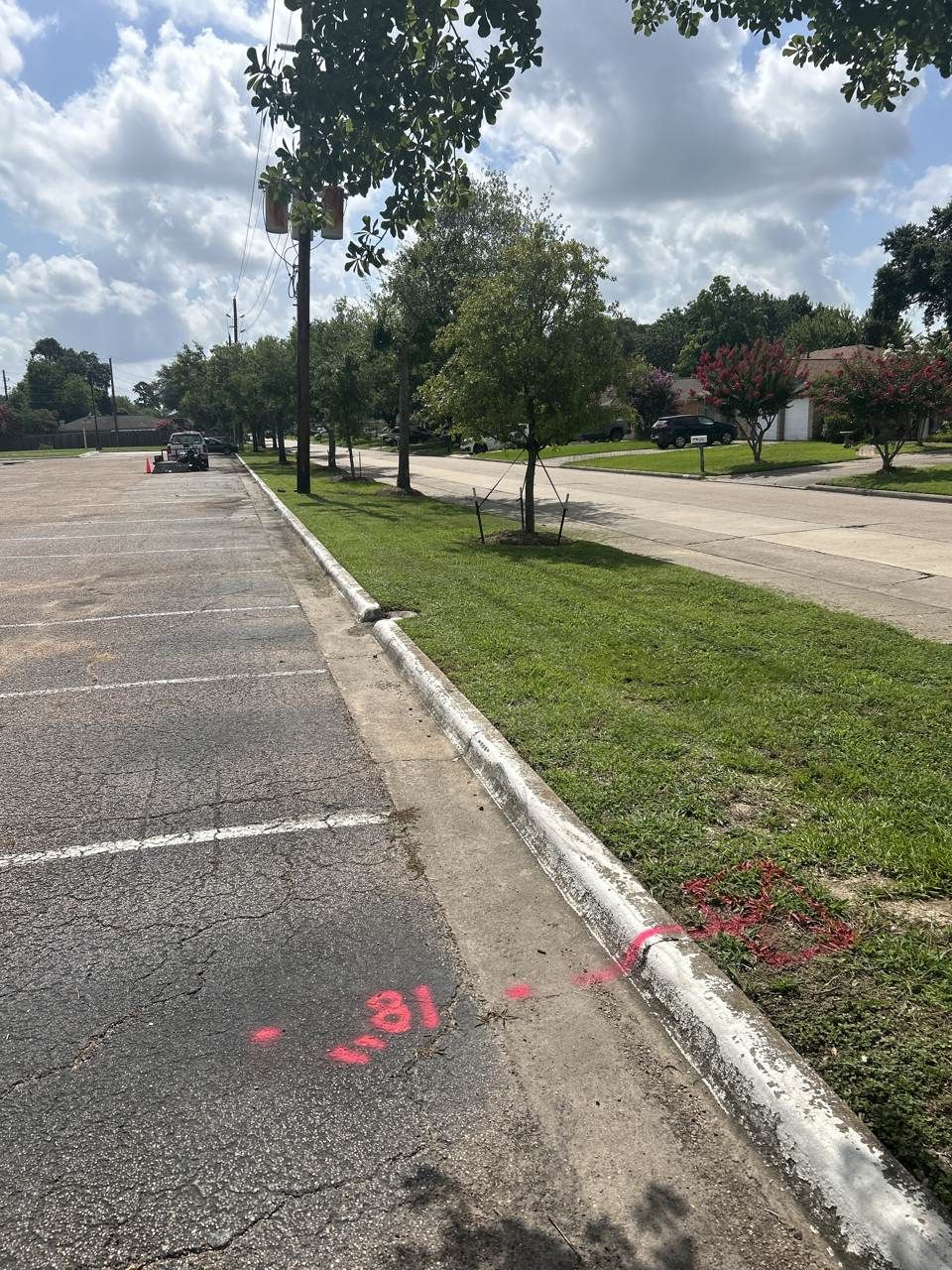
When a locate crew or 811 responder marks a job site, they use a standard set of colors. Each color tells the excavation crew what kind of utility is buried below - electric, gas, water, communication, and so on. Reading those marks correctly is a basic part of digging safely.
These colors follow the APWA Uniform Color Code, the same standard used across the United States so that a red mark means the same thing in Houston as it does in Dallas or anywhere else.
SiteTwin | Utility Locating Services
The APWA Utility Marking Color Codes
There are eight standard marking colors. Here is what each one means:
Red - Electric power lines, cables, conduit, and lighting cables
Yellow - Gas, oil, steam, petroleum, or other flammable or gaseous material
Orange - Communication, alarm or signal lines, cables, or conduit (telecom and fiber)
Blue - Potable (drinking) water
Purple - Reclaimed water, irrigation, and slurry lines
Green - Sewers and drain lines
Pink - Temporary survey markings
White - Proposed excavation limits or route
A simple way to remember the high-risk ones: red is electric, yellow is gas, orange is communication or fiber, and blue is water. Those four cover most of the lines that stop a job when they are hit.
Why the Color Codes Matter
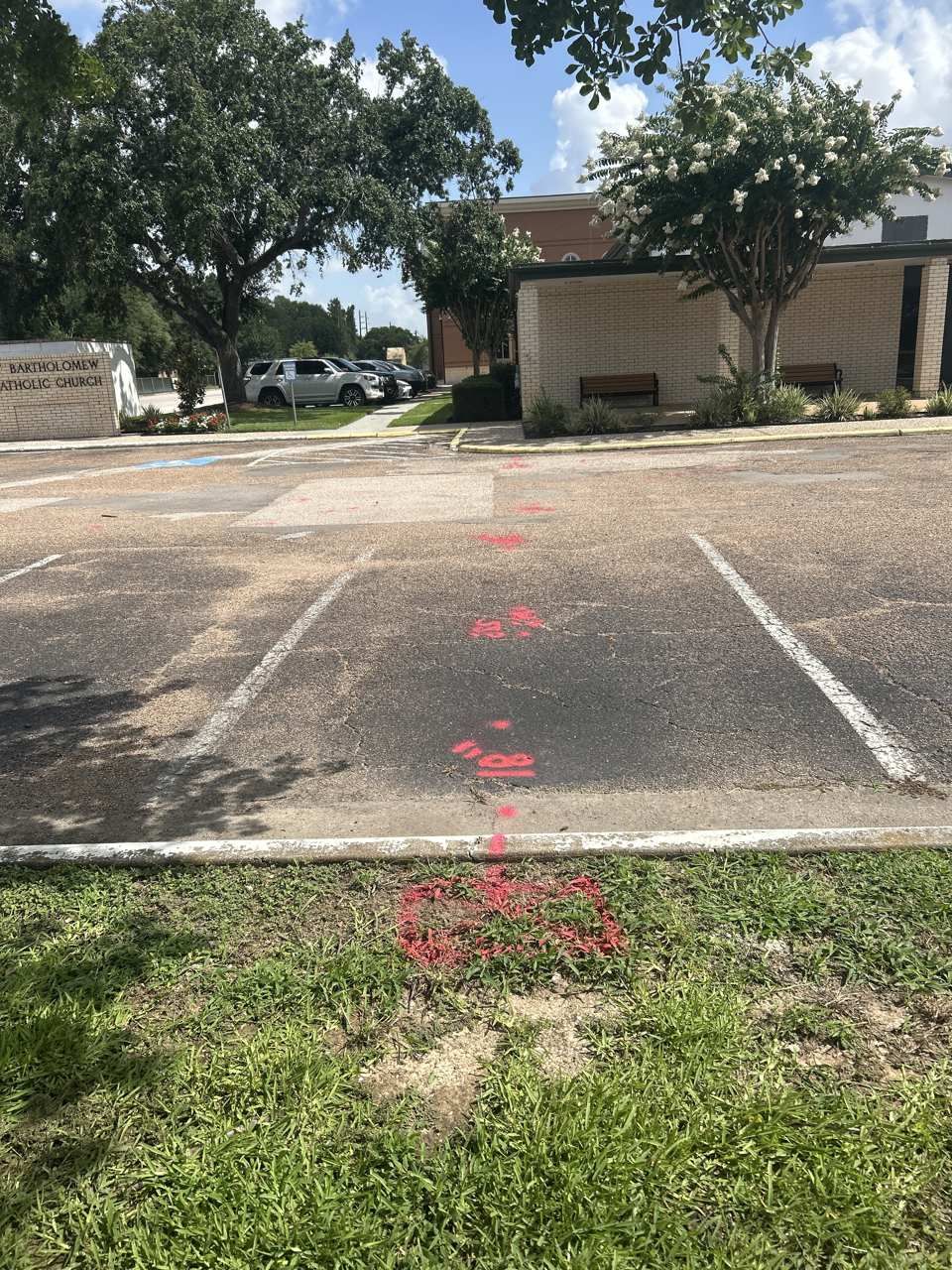
The colors are more than a convention. They tell the crew where the highest-risk lines are before the bucket, bore head, or saw reaches them. A yellow line near a trench route calls for far more caution than a green sewer lateral. Knowing the code lets a crew plan the dig, the potholing, and the hand-dig zones around the real hazards.
The same colors are used for both paint and flags. Paint marks the alignment directly on the surface; flags mark the same utilities in grass or unpaved areas where paint would not hold.
Who Places the Marks?
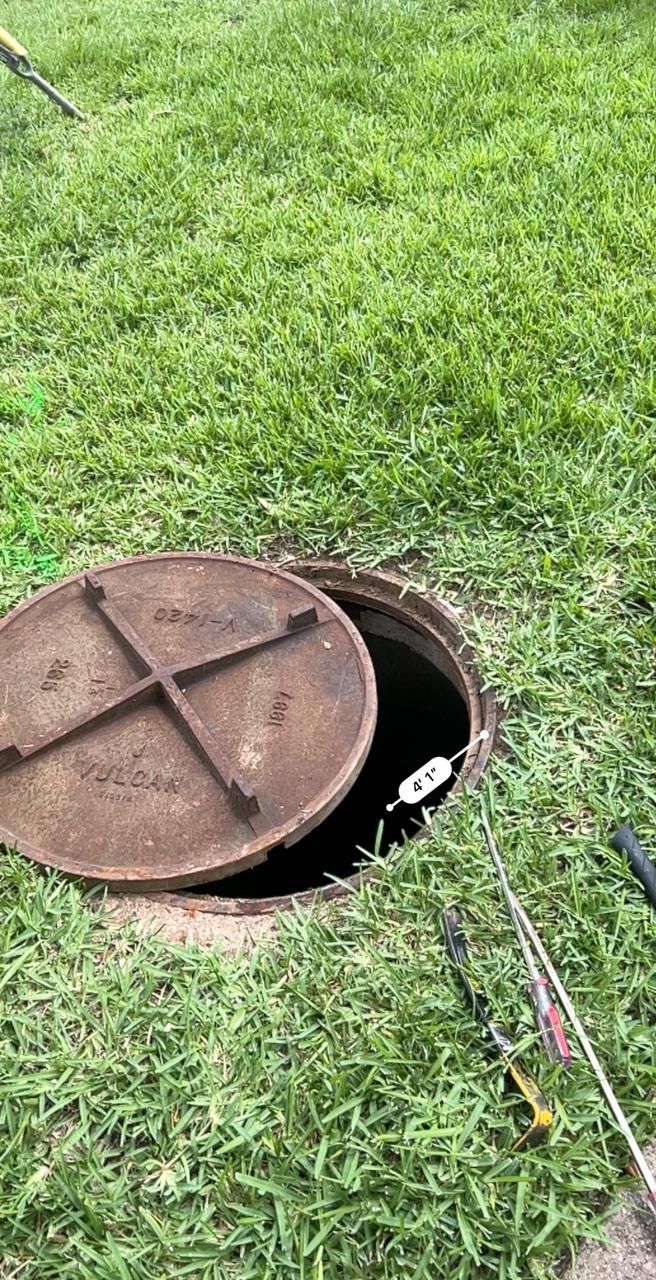
Public utility owners, or the locating contractors they hire, place marks after an 811 ticket is submitted. They mark the facilities they own near the proposed excavation area, using the color code above.
Private utility locating crews use the same colors when marking owner-installed lines that 811 does not cover. So a site may end up with two sets of marks in the same code - public utility marks from the 811 response, and private marks from a private locate.
What the Colors Do Not Tell You
The color code identifies the type of utility, but it has limits worth understanding:
- A surface mark shows the suspected horizontal path, not the exact depth.
Marks are an estimate from electromagnetic locating or GPR, so depth and exact position still need verification on high-risk crossings. - 811 marks generally cover public utilities only. Private lines - site lighting, irrigation, private electric, private water, and utilities between buildings - may not be marked at all.
- That last point is where crews get caught. A clean set of colored marks can still leave private utilities unmarked directly in the work area.
Verify the High-Risk Marks With Potholing
On critical crossings, the paint color is a starting point, not the final answer. When excavation risk is high, potholing or daylighting should be used to physically confirm a utility's depth, location, and type before mechanical excavation continues. The color tells the crew what the line is. Potholing confirms exactly where it is.
Need public and private utilities marked before you dig? SiteTwin performs private utility locating, GPR scanning, and underground utility investigations for contractors and property owners across Texas. Request a locate.
Utility Marking Colors Across Texas
The APWA color code is used statewide, so the same colors apply on every Texas job site. SiteTwin marks public and private utilities across the major Texas metros:
Houston
Dallas
Austin
Fort Worth
San Antonio
Because many Texas commercial and industrial sites contain private utilities that 811 will not mark, contractors often pair the public 811 response with a private locate so every colored line in the work area is accounted for. You can also view our service locations.
Utility Marking Color Code FAQ
What do the utility marking colors mean?
Red is electric, yellow is gas or flammable material, orange is communication or fiber, blue is potable water, purple is reclaimed water or irrigation, green is sewer or drain, pink is temporary survey marks, and white is proposed excavation.
What color is a gas line marked?
Gas lines are marked yellow, which also covers oil, steam, petroleum, and other flammable or gaseous materials.
What color is used for electric lines?
Electric power lines, cables, conduit, and lighting cables are marked red.
What color is water?
Potable (drinking) water is marked blue. Reclaimed water and irrigation are marked purple.
Who decides the utility marking colors?
The colors follow the APWA Uniform Color Code, a national standard used by utility owners, 811 responders, and locating contractors so the marks mean the same thing everywhere.
Does 811 mark private utilities in these colors?
811 responders mark public utilities they own using the color code. Private utilities are often not marked through 811 and may require a private utility locate, which uses the same colors.
Know the Colors, Then Verify Before You Dig
The color code tells your crew what is underground. A private locate makes sure the private lines are marked too, and potholing confirms the high-risk crossings. Before trenching, boring, or cutting, get the work area located, marked, and verified.
SiteTwin | Request a Locate Today