
How to Find Your Septic Drain Field (and How Deep It Is)
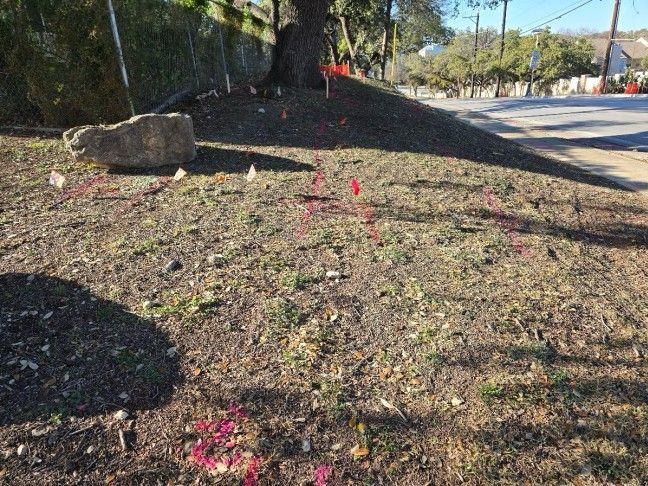
In Texas, a standard septic drain field is a set of trenches 18 inches to 3 feet deep, running from the outlet side of the tank. Some systems use drip lines buried at least 6 inches down, or spray heads on the surface, instead.
Knowing which kind you have tells you what to look for. Here is how each type is built, and the order we would work through it to find yours.
How deep is a drain field?
It depends on the type of system. The TCEQ rules for on-site sewage facilities set the numbers:
- Standard trench drain field. Each trench is dug at least 18 inches deep and no deeper than 3 feet, or 6 inches below the soil freeze depth where that is deeper. Trenches are at least 18 inches wide, and no single trench runs longer than 150 feet. The perforated pipe sits on at least 6 inches of gravel or other media and is covered by it, so the pipe is at least 6 inches above the bottom of the trench.
- Gravel-less pipe and leaching chambers. These approved alternatives replace the gravel with large-diameter pipe or open-bottom plastic chambers.
- Drip systems. A grid of small pressurized lines buried at least 6 inches deep, with emitters no more than 30 inches apart.
- Spray systems. Treated effluent from an aerobic treatment unit is sprayed onto the lawn through sprinkler heads, so there may be no buried field at all, only the supply lines to the heads.
The rules also allow nonstandard designs, such as low-pressure dosed fields and mounds, for sites where a standard trench will not work.
Those are installation requirements. Regrading, erosion, and added topsoil change the cover over the years, so treat any depth as a starting estimate. For the other lines on a property, see our overview of how deep underground utilities are buried.
1. Pull the permit file
Septic systems in Texas are permitted through a local authorized agent, usually the county environmental health or development services office. If your system went in after September 1989, the file should include a site diagram showing where the tank and the disposal area sit. Our guide to finding your septic tank walks through how to request it and what to do when the file comes up empty.
2. Start at the tank and follow the outlet
The drain field connects to the outlet side of the tank, the end facing away from the house. Once you know where the tank sits, the field is on that side. Unless the system pumps its effluent, the field also sits lower than the tank, because gravity is what moves the water there.
3. Read the grass
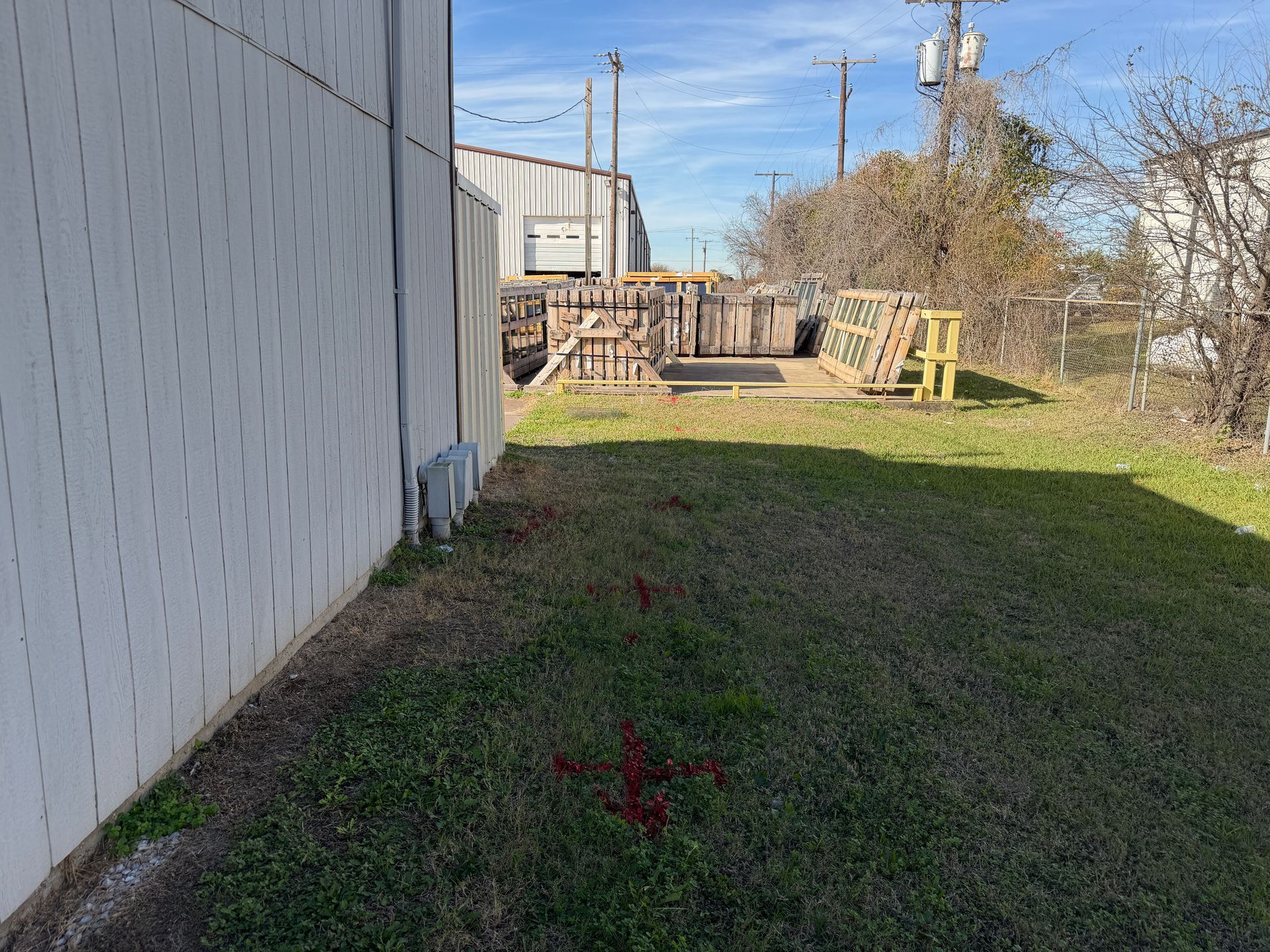
After a dry stretch, a trench drain field often shows up as long, parallel stripes of greener grass, sometimes several side by side. Each stripe usually marks a trench.
Soggy ground or standing water over those stripes in dry weather is a different signal. It can mean the field is struggling, and it is worth a call to a septic professional.
4. Look for spray heads
If your system has an aerobic treatment unit, the disposal area is often a spray field. Denton County's septic guidance describes aerobic units as usually paired with surface application. Look for sprinkler heads in the lawn that are not part of your irrigation system. If you are not sure which heads belong to which system, our guide to finding sprinkler lines covers tracing the irrigation side.
State rules require low-angle nozzles on these heads. Where the spray area sits within 20 feet of the property line, the heads run on a timer between midnight and 5 a.m., so you may never have seen them run.
5. Probe carefully
A soil probe pushed down across the suspected area will often hit the gravel layer of a trench, which feels different from native soil. Work slowly, stop at the first sign of resistance, and keep vehicles and equipment off the area while you search.
6. Have the lines traced
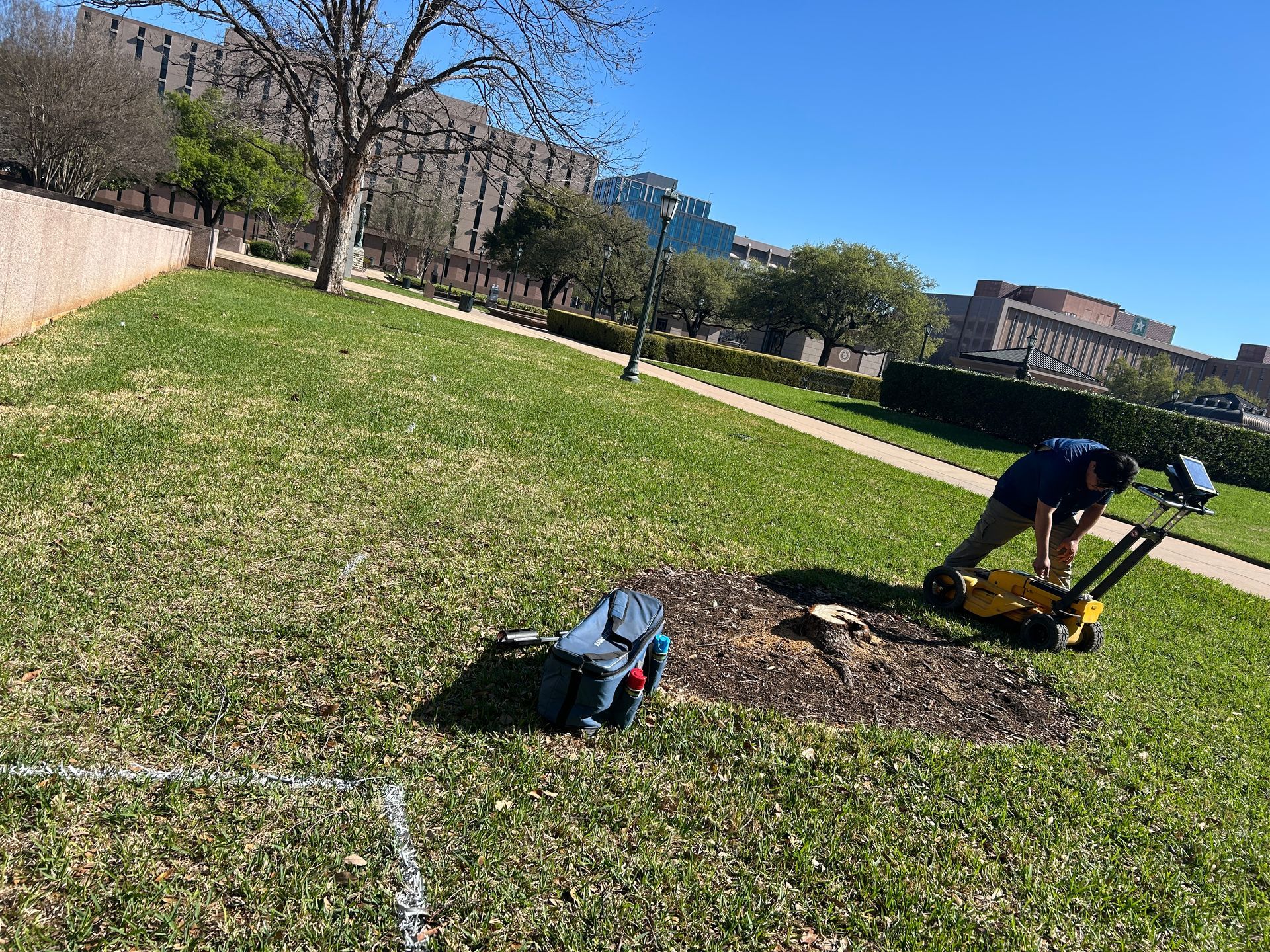
When the records are gone and the grass gives nothing away, the lines can be traced. A small transmitter called a sonde can be pushed into the line from the tank outlet or a cleanout and followed from the surface, the same way we trace a sewer line.
Ground penetrating radar can also pick up gravel trenches and chambers, though heavy clay limits how deep it sees, as we cover in How Deep Can Ground Penetrating Radar See?
811 will not mark it
A septic system serves only the property it sits on, so it falls under the Texas exemption for private lines, and 811 will not mark it. How Deep Can You Dig Before Calling 811 in Texas? explains the statute, and 811 vs. Private Utility Locating covers what each one marks.
If a private locator marks the lines, the color is green, the APWA uniform color for sewers and drain lines.
Keep it clear once you find it
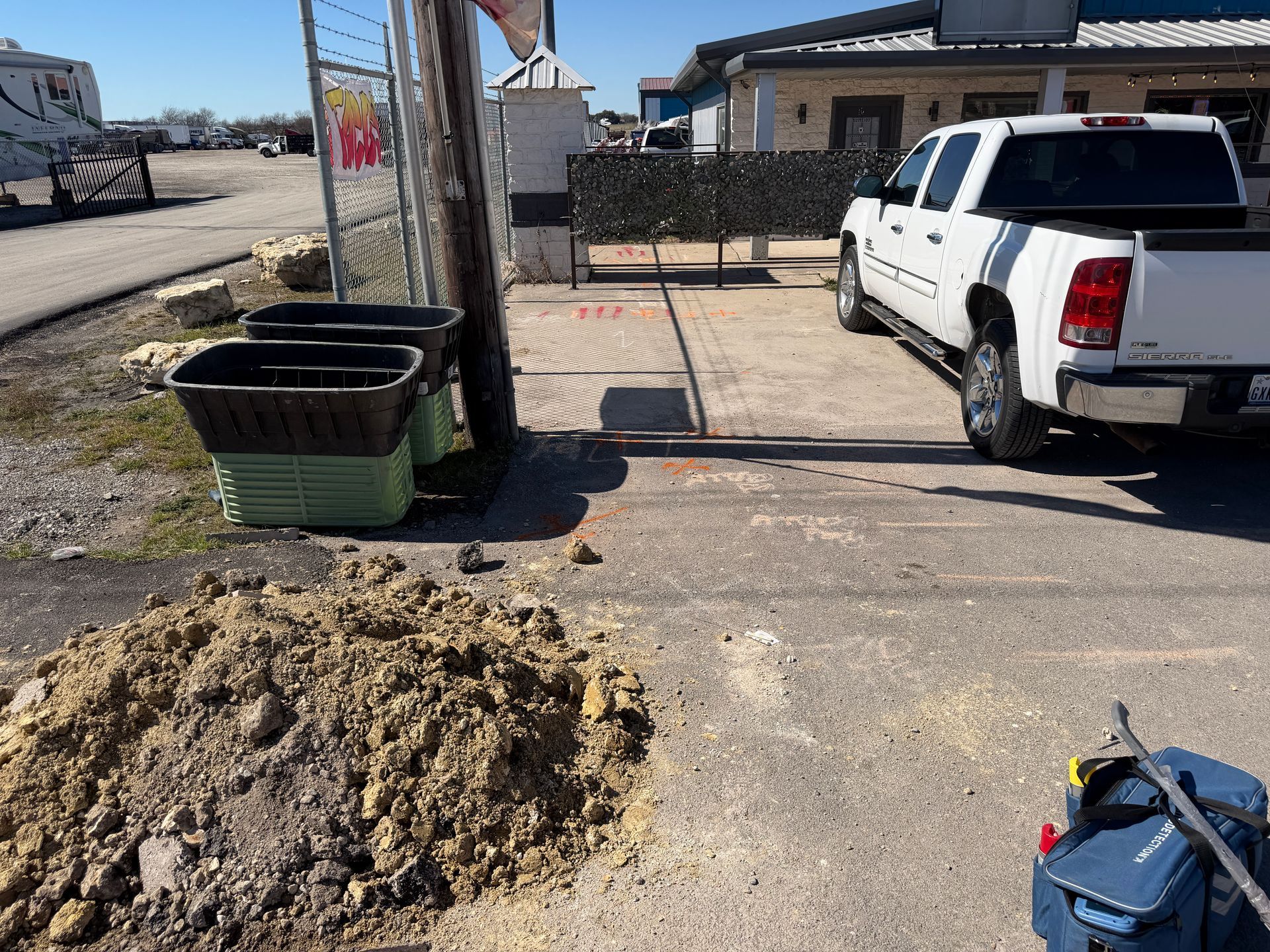
Denton County, which permits septic systems in its unincorporated areas, tells owners to keep the tanks and disposal areas free of "structures, parking areas, gravel, concrete, vegetable gardens, trees, or anything that may interfere" with how the system disposes of wastewater. That is the reason to find the field before any of these jobs:
- A pool, patio, or driveway
- A shop, carport, or storage building
- Fence lines and gate posts
- Tree planting and garden beds
- Parking a trailer, RV, or equipment
Gas yard lines and private electrical runs share those same yards, and both can be shallow. See How Deep Are Gas Lines Buried? and How Deep Are Electrical Lines Buried? before trenching anywhere near the field.
Quick answers
How deep is a leach field?
In Texas, standard drain field trenches are 18 inches to 3 feet deep, with the pipe at least 6 inches above the trench bottom. Drip lines are at least 6 inches deep, and spray systems discharge on the surface.
How do I find my septic drain field?
Start with the county permit file, then follow the outlet side of the tank, read the grass for parallel green stripes, and have the lines traced if those come up empty.
Can you drive over a drain field?
You should not. Texas county guidance tells owners to keep parking areas, structures, and concrete off the disposal area.
Is a leach field the same as a drain field?
Yes. Leach field, drain field, and absorption field all describe the area where septic effluent is dispersed into the soil.
If you are planning a pool, building, or addition on a septic lot and want the tank, lines, and every other private utility marked first, get in touch. Our private utility locating covers what 811 leaves out, and we work across Texas, including Austin, San Antonio, Waco, and Georgetown.