
How Deep Are Electrical Lines Buried?
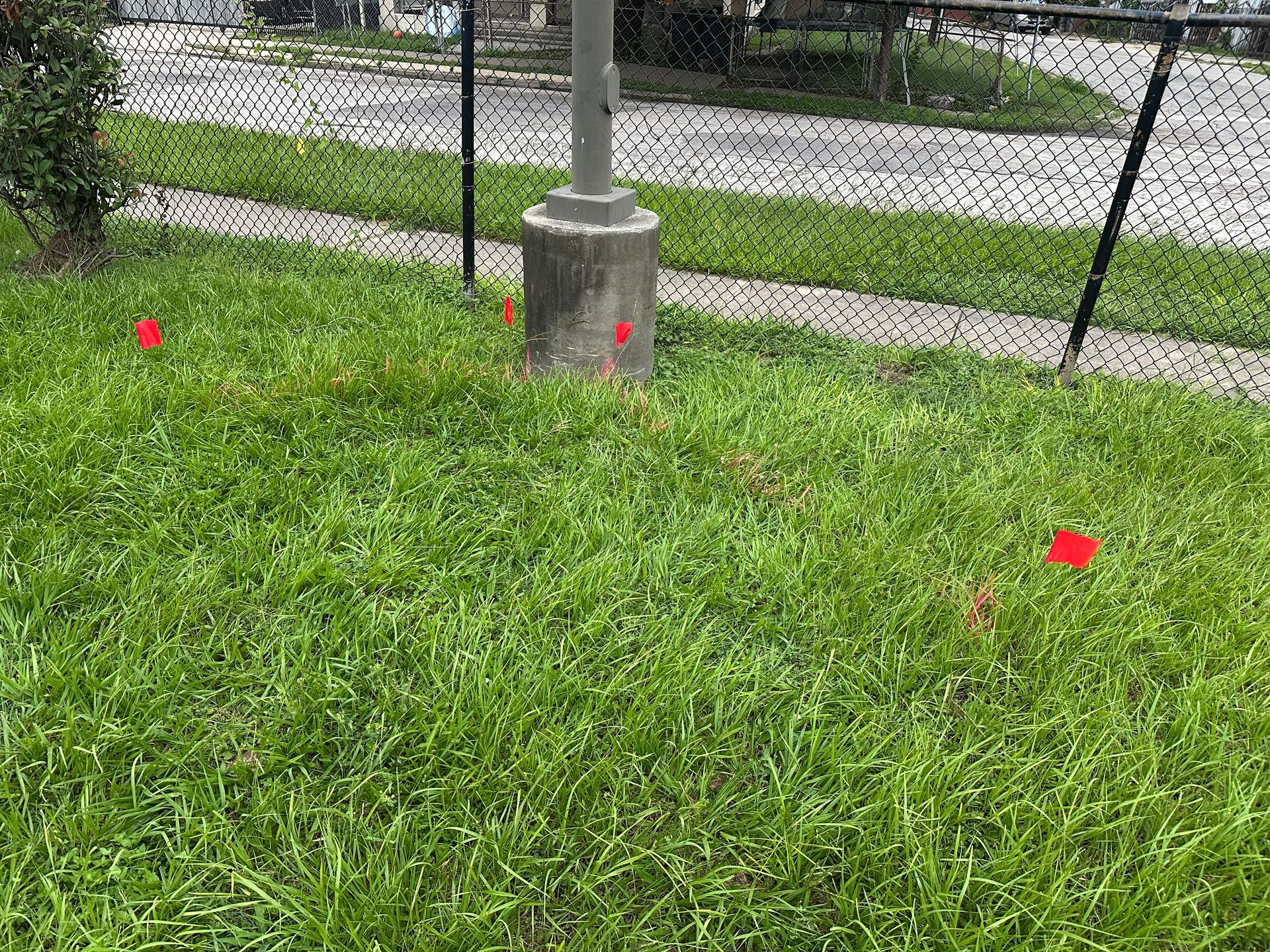
Under the National Electrical Code, direct-burial cable needs at least 24 inches of cover, PVC conduit 18 inches, and rigid metal conduit 6 inches. Utility power lines follow a separate code that starts at 24 inches and goes deeper as the voltage rises.
Two different codes set those numbers, and which one applies depends on who owns the line. That split also decides whether 811 will mark it.
Wiring on your property: the National Electrical Code
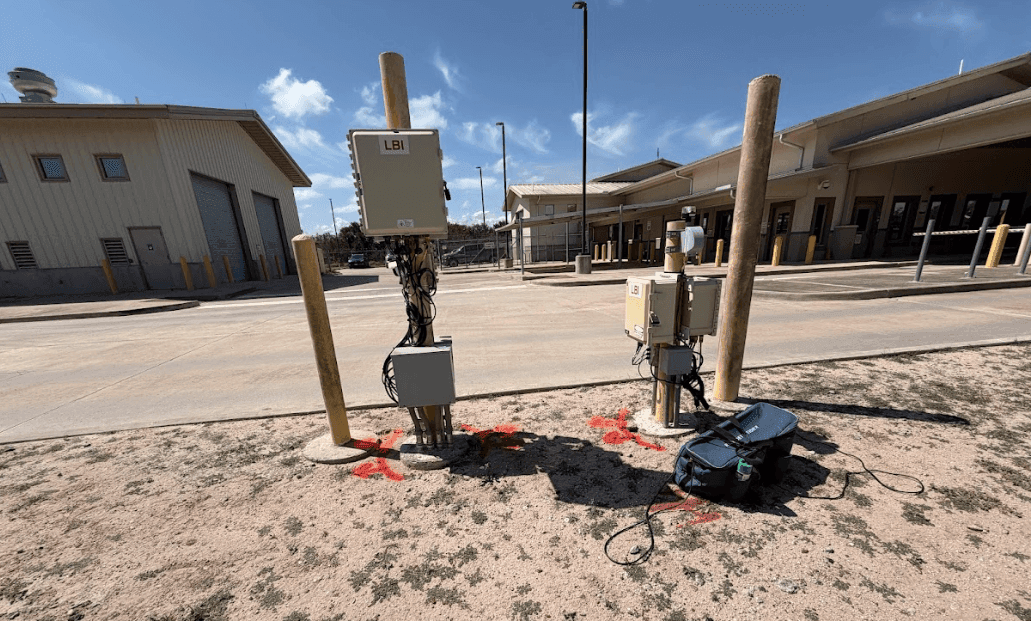
Texas adopts the National Electrical Code statewide, and the 2026 edition took effect on September 1, 2026. For wiring up to 1,000 volts, the minimum cover depends on how the wire is run:
- Direct-burial cable with no conduit, such as Type UF: 24 inches
- Rigid or intermediate metal conduit: 6 inches
- PVC and other nonmetallic conduit listed for direct burial: 18 inches
- Residential branch circuits of 120 volts or less with GFCI protection and a 20 amp maximum: 12 inches
- Irrigation control and landscape lighting circuits of 30 volts or less: 6 inches
Under streets, alleys, driveways, and parking lots, every method needs 24 inches. Driveways and outdoor parking at one- and two-family homes are the exception: 18 inches for most methods and 12 inches for GFCI-protected residential circuits.
Depth here means cover, measured from the top of the cable or conduit to finished grade.
Utility lines: the National Electrical Safety Code
The electric utility's own lines are built to the National Electrical Safety Code. Its burial table for direct-buried supply cable scales with voltage:
- 0 to 600 volts: 24 inches
- 601 volts to 50,000 volts: 30 inches
- Over 50,000 volts: 42 inches
The code allows a few exceptions, such as some street lighting circuits. Neighborhood primary distribution runs well above 600 volts, so it falls in the 30 inch tier and generally sits deeper than the low-voltage service line to a house.
Who owns which part, and what 811 marks
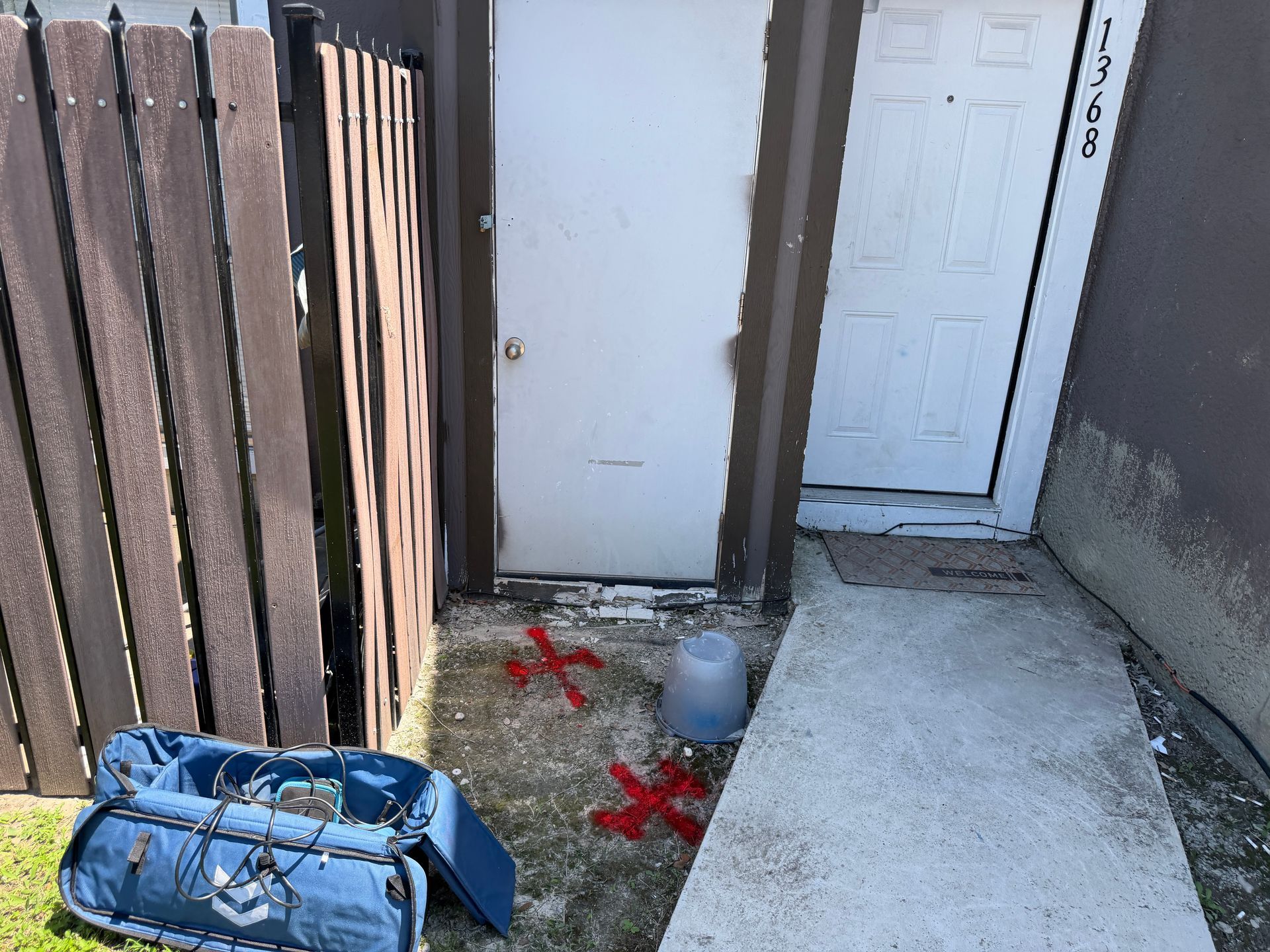
When you call 811, the electric utility marks its own lines in red, the APWA uniform color for electric power.
Everything the property owner installed is a different story. Texas law exempts lines that serve only the owner and sit only on the owner's property from the one-call system, as we explain in How Deep Can You Dig Before Calling 811 in Texas? On most sites that leaves a long list unmarked:
- Feeders to a detached garage, shop, barn, or guest house
- Power to pool and spa equipment
- Gate operators and well pumps
- Parking lot lights, sign feeds, and landscape lighting
- EV chargers and generators set away from the building
- Duct banks between buildings on campuses, plants, and data center sites
Private runs like these can legally sit as shallow as 18 inches in PVC conduit, 12 inches on GFCI-protected residential circuits, or 6 inches in rigid metal conduit.
The shallowest wiring on most properties
Landscape lighting and sprinkler control wire get the least cover of anything electrical: 6 inches for circuits of 30 volts or less. Listed low-voltage lighting systems can go shallower still where the manufacturer's installation instructions allow it.
Those are the runs an edger, a shovel, or a post-hole auger finds first. Sprinkler control wire also happens to be the easiest way to map an irrigation system, which we walk through in How to Find Sprinkler Lines.
Why the real depth is often shallower
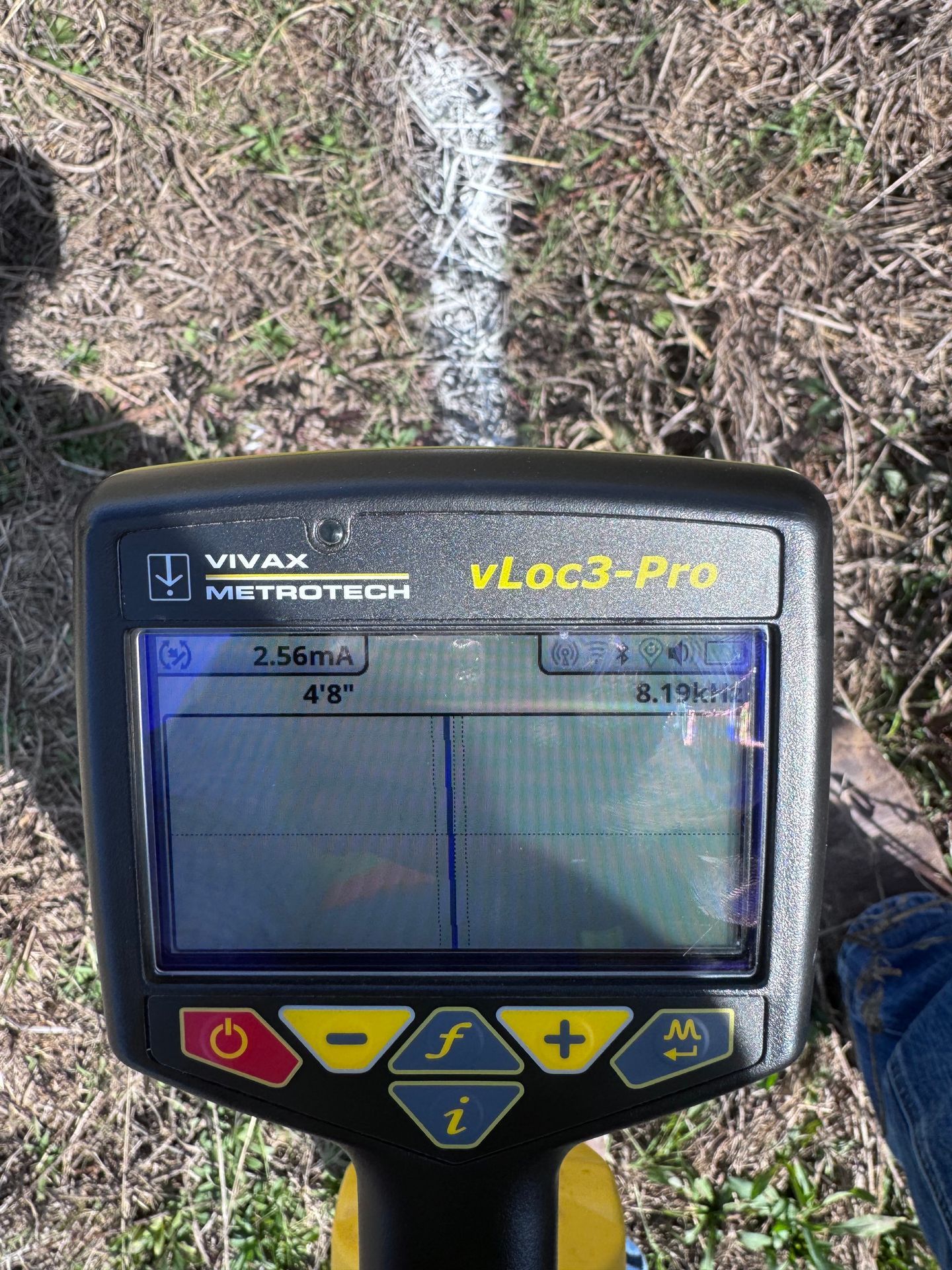
A code minimum describes the day the line went in. Lots get regraded, pavement gets milled and overlaid, and beds and patios change the surface. A conduit that met code when it was buried can sit well above that depth today.
Gas follows a similar pattern, with the shallowest rules on the owner's side of the meter, as we cover in How Deep Are Gas Lines Buried? For water, sewer, and communication lines, see our overview of how deep underground utilities are buried.
Depth readings from a locator are estimates too. An electromagnetic locator calculates depth from the signal it picks up, and nearby lines can throw that number off. When a trench or directional bore has to pass close to power, expose the line and measure it. Our post on finding underground electrical wires before you dig covers how we locate it in the first place.
Quick answers
How deep is the electric line from the pole to the house?
An underground service owned by the utility is a low-voltage line built to the National Electrical Safety Code, which calls for at least 24 inches for cable up to 600 volts. The utility's own construction standard sets the exact depth.
How deep do you bury electrical conduit?
Under the NEC, PVC conduit needs 18 inches and rigid metal conduit needs 6 inches in general locations. Both need 24 inches under streets and alleys, and under driveways and parking lots everywhere except one- and two-family homes, where 18 inches applies.
How deep are electric lines buried in a yard?
It depends on how the wire was run. Direct-burial cable should be at 24 inches, PVC conduit at 18, and GFCI-protected 120 volt circuits can be as shallow as 12. Landscape lighting can sit 6 inches down.
Does 811 mark electric lines?
It marks the utility's lines. Private wiring on the owner's side of the meter is outside the one-call system.
If you are trenching, boring, or setting posts anywhere near private power in Texas, we locate and mark the lines 811 does not cover. We work across Texas, including Dallas, Fort Worth, Arlington, and Houston. Get in touch, see our private utility locating service, or read about utility locating for general contractors.